The Iran War Has Turned VLCCs Into $650,000-A-Day Assets
Oil tanker rates from the Persian Gulf to Asia have surged to record levels as geopolitical tensions and limited vessel availability drive up shipping costs.
According to Baltic Exchange data cited by Bloomberg, earnings on the benchmark Saudi Arabia-to-China route reached $647,000 per day on Thursday. This marks a tenfold increase from a year ago and a 27% rise from the $510,000 rate recorded just ten days earlier. The surge reflects heightened demand for Very Large Crude Carriers (VLCCs) willing to transit the Strait of Hormuz amid ongoing regional conflicts.
Persian Gulf producers have increased crude shipments through the strategic waterway, which connects the Gulf to the Arabian Sea. However, the heightened risk of attacks or disruptions has reduced the number of tankers available for the route. This scarcity has driven up freight rates, creating a secondary supply bottleneck despite increased oil flows.
The situation has become more complex as producers implement indirect shipping methods. Crude is often transported through the Strait of Hormuz before being transferred to other tankers outside the Gulf. This practice results in two separate freight charges: one for transit through Hormuz and another for the onward journey to Asia. TotalEnergies CEO Patrick Pouyanne noted earlier this week that a single cargo passage through Hormuz could cost up to $20 million, with market participants indicating further increases since then.
Rates outside the Strait have also risen sharply. A tanker traveling from Oman to China now commands approximately $220,000 per day, up from $131,000 a month ago. The situation is further exacerbated by Houthi attacks in the Red Sea, which have forced Saudi Arabia to reroute some shipments through the Mediterranean and around Africa. This detour adds roughly 30 days to voyages bound for Asia, further straining global shipping capacity.
Despite these challenges, some oil continues to flow out of the Gulf. Traders estimate that between 6 million and 8 million barrels per day are passing through the Strait of Hormuz, while Goldman Sachs estimates current outflows at roughly two-thirds of pre-war levels. The disparity in estimates highlights the uncertainty surrounding oil shipments amid ongoing geopolitical risks.
Industry analysts warn that sustained high rates and limited tanker availability could persist as long as regional tensions remain elevated. The situation underscores the fragility of global oil supply chains and the far-reaching economic impacts of geopolitical instability.
Comments (0)
No comments yet — be the first to weigh in.

Free School Uniform Swap Shop Saves Welsh Families £50m Annually
A Cardiff father's school uniform swap shop initiative has grown to 200 schools, helping Welsh families save £50m yearly while promoting sustainability and reducing clothing waste.

Poland, US Explore Permanent Military Bases: Defense Talks Underway
Poland and the US are discussing permanent American military bases in Poland, focusing on defense capabilities rather than troop numbers. Nuclear warheads are not part of the plans.

Taxpayers Lost $65B to Obamacare Fraud in 2024; Feds Crack Down
A Paragon Health Institute report reveals $65 billion in taxpayer losses due to Obamacare and Medicaid fraud in 2024, with improper enrollments rising in 2025.
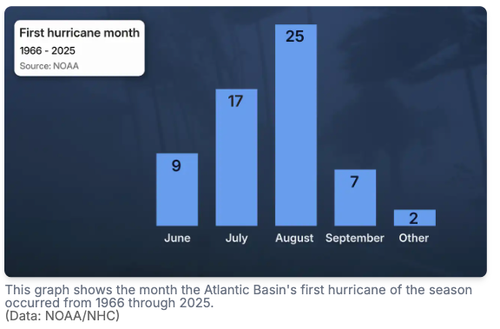
El Niño Delaying 2026 Atlantic Hurricane Season as Dolly Nears Florida
El Niño's wind shear suppresses 2026 Atlantic hurricane activity, delaying first hurricane as Tropical Storm Dolly's remnants approach Florida and the Caribbean.

Mumbai’s Vile Parle Cypher is giving unheard rappers a voice

Enrich and Ultimo impress

Karnataka CM Signals Review of 5% Park Land Amendment Bill in Assembly

