The Social Security trust fund is running out, and yet it's not a top campaign issue
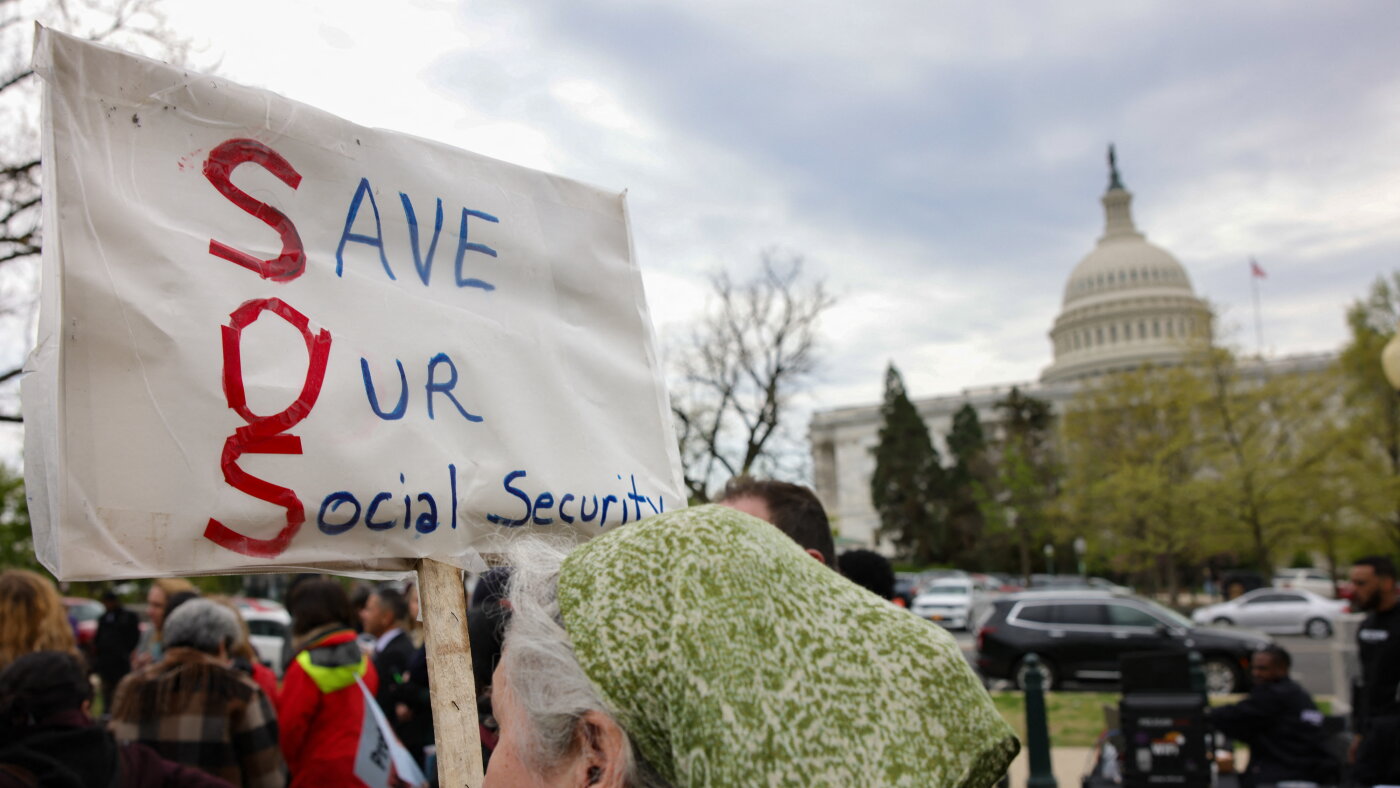
The Social Security trust fund is projected to be depleted by the end of 2032, giving Congress roughly six years to devise a solution, a federal audit has warned. The audit, issued by the Social Security Board of Trustees, estimates that if no action is taken, benefits could fall 22 percent, a cut that would hit millions of retirees who rely on the program for basic expenses.
Despite the urgency, lawmakers have not made the issue a priority. Democratic Senator Elizabeth Warren and Republican Senator Bernie Moreno recently co‑authored a bipartisan proposal to raise the payroll tax for high‑earning workers, a move that would increase the trust fund’s revenue. The proposal was quickly dismissed by conservative groups, and no other substantive plan has emerged.
The lack of political momentum has raised concerns among experts about public understanding of the crisis. Bill Sweeney, senior vice president for government affairs at AARP, told NPR that only 34 percent of Americans surveyed last year could correctly explain that the trust fund’s depletion would not stop benefits entirely but would reduce them. An additional 36 percent incorrectly believed that benefits would cease altogether. “That’s a failing grade,” Sweeney said. “We have a lot of work to do on general education about what it means when the insolvency date arrives.”
Sweeney also warned that the problem is not likely to rise to the campaign trail. “Senate candidates serve six‑year terms, and the people we elect now will be deciding what to do in 2032,” he said. “The fact that it’s not coming up often in debates is a serious failing.”
Right‑leaning think‑tank analyst Andrew Biggs explained that Congress can simply choose to do nothing. “There’s no requirement that Congress act at any given time,” he said. “They can always choose to kick the can down the road.” He added that a fix would involve either a tax increase or a benefit cut, both of which could be politically costly. “Raising taxes would be the largest tax increase in peacetime in U.S. history,” Biggs told NPR.
In focus groups with swing voters, messaging specialist Rich Thau found that most respondents had little knowledge of the trust fund’s financial status. “If there isn’t buy‑in and an acceptance of the looming crisis in Social Security, it’s impossible to fix this,” Thau said. He noted that voters often confuse the short‑term insolvency issue with long‑term concerns about the program’s existence.
Voter attitudes toward potential solutions appear mixed. AARP’s Sweeney reported that many Americans view a payroll‑tax increase for high earners as more acceptable than a benefit cut. “It seems very unfair that somebody who makes $800,000 a year is paying a smaller percentage of their taxes to Social Security than someone who makes $60,000 or $75,000 a year,” he said. In Thau’s focus groups, roughly half of participants were open to cutting benefits for the wealthier retirees, while the other half opposed it.
Center on Budget and Policy Priorities’ Chuck Marr argued that addressing the insolvency could alleviate long‑term anxieties about the program’s future. “If Congress can step up on a bipartisan basis to face the issues, that will show people the strength of Social Security,” Marr said. He said voters must understand the options—cutting benefits, eliminating the payroll‑tax cap, or raising taxes—before they can influence lawmakers.
The trust fund’s projected depletion has been known for years, yet the political calculus remains complex. With the insolvency deadline looming in 2032, the window for action is shrinking. Whether Congress will prioritize Social Security over other pressing matters, or whether voters will mobilize to demand a solution, remains uncertain.
Comments (0)
No comments yet — be the first to weigh in.

Iran-US Tensions Escalate Amid Hormuz Strait Crisis – Live Updates
Iranian President Pezeshkian seeks diplomatic solutions with global leaders at SCO summit in Kyrgyzstan amid rising US tensions over Hormuz Strait.

Search continues for 18 passengers after ferry capsized in northern Cyprus
Search and rescue operations are continuing off the coast of Kyrenia in northern Cyprus after a passenger ferry capsized and sank on Sunday, leaving at least ei...

Swiss Man Arrested After Deadly Rave Shooting Kills Italian Woman
A 43-year-old Swiss suspect has been arrested after a shooting at a techno rave in Aarau left one woman dead and several others injured. Authorities continue their investigation.

England attack's 2005 comparisons fair - Trescothick
England’s new pace attack is drawing comparisons to the legendary Ashes-winning quartet of 2005, according to interim head coach Marcus Trescothick. The current...

Mumbai’s Vile Parle Cypher is giving unheard rappers a voice

Enrich and Ultimo impress

Karnataka CM Signals Review of 5% Park Land Amendment Bill in Assembly

