Tomó una decisión fatal a los 22 años. Ahora está en prisión, intentando encontrarse a sí misma cada día
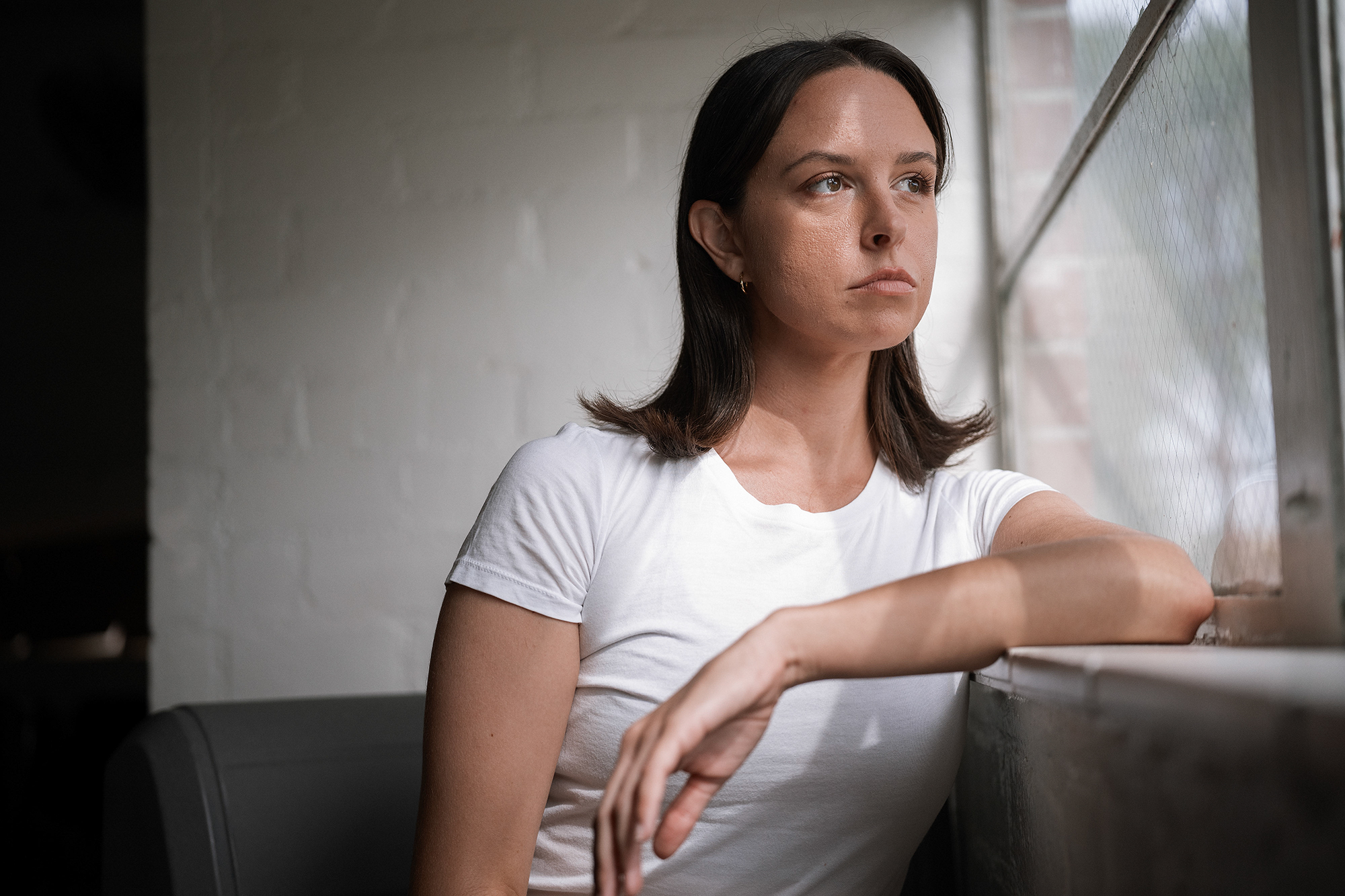
Grace Coleman, now 24, wakes up every morning in a California prison, confronting the gravity of her actions from nearly three years ago. On December 8, 2020, she drove under the influence of alcohol and drugs, ran a red light, and collided with a vehicle carrying a family of five. Gabriela Andrade and Henry Saldana-Mejia were killed, while their three young daughters, secured in their car seats, survived with injuries. Coleman, who had just turned 22, has since lived with the irreversible consequences of that night.
At the time of the accident, Coleman was hospitalized with a broken wrist and a fractured arm. Confused and disoriented, she initially did not know the extent of the damage she had caused. It was only days later, while recovering in a jail medical unit during COVID-19 restrictions, that she pieced together the tragic outcome. Her boyfriend, who had earlier dropped her off at home, was unaware of the accident until being contacted by law enforcement.
Coleman now reflects on her crime daily, describing her imprisonment as a constant reminder of the lives she took. She has embraced sobriety through Alcoholics Anonymous and participates in DUI offender programs, where she shares her story in an effort to prevent others from making similar mistakes. “It’s not just about waking up in prison every day and that in itself being a reminder of the harm I caused,” she said. “It’s about the way I choose to live my life.”
Her journey toward accountability began even before her conviction. In 2022, Coleman met with the surviving family members of Andrade and Saldana-Mejia, a rare opportunity facilitated by her defense attorney, the judge, the prosecutor, and the victims’ representative. Through tears, she listened to their pain and answered their questions. “As a daughter, and an only child, I knew that feeling of my parents being everything to me,” she said. “And I just couldn’t bear the thought of having taken away the two most important people in a child’s life.”
Weeks after that emotional meeting, Coleman pleaded guilty to two counts of murder and accepted a sentence of 21 years to life in prison.
Her case reflects broader efforts in California to shift from punitive incarceration toward rehabilitation, particularly for those willing to address the root causes of their actions. Governor Gavin Newsom has emphasized reforms aimed at preparing inmates for parole and societal reintegration. While California still reports over 1,300 alcohol-related traffic deaths annually, the legal system does not always distinguish such cases under separate homicide statutes.
Coleman’s path to self-awareness has been shaped by therapy and sobriety. She traces her substance abuse to longstanding issues of low self-esteem and codependency, acknowledging years of saying “yes” to others while neglecting her own needs. “The crime never would have occurred without severe alcoholism,” she said. “Looking back at why I drank or how I ended up in those alcohol-induced states is crucial.”
Initially, Coleman feared judgment from fellow inmates due to her privileged background in Laguna Beach. After local news coverage of her case, she made it a priority to connect with others in prison, emphasizing humility and authenticity. “I needed to show that I wasn’t putting on a front,” she said. “I had to be real with myself and with them.”
Jeff Roberts, who represented the victims’ family in a wrongful death civil suit, met Coleman during depositions and described her as someone with a difficult personal history despite outward appearances. “I got to know a little bit about Grace, and I know she has a story,” Roberts said. “She came from a fairly difficult situation, even though she seemed like a privileged young woman.”
Roberts believes Coleman’s sentence, though lengthy, should allow for future parole consideration. “Grace was going to serve a significant sentence,” he said. “But I don’t think she should have been sentenced to life without the possibility of parole, because frankly, killing two people and leaving three children orphaned is already a life sentence emotionally. She will never forget it.”
Coleman continues to seek healing through faith and mental health support. “I describe it as an identity crisis,” she said. “You’re stripping away everything, peeling back layers of yourself, and going through a massive transition in life.”
Her story remains a cautionary tale about the irreversible consequences of impaired driving and the complex journey of redemption for those who cause such harm.
Comments (0)
No comments yet — be the first to weigh in.

Middlesbrough's Crime Crisis: Decades of Failed Policies Unleash Chaos
Former Middlesbrough mayor Andy Preston blames decades of lenient crime policies for the town's recent surge in gang violence and lawlessness.

Google Maps Renames Lake Ontario to 'Lake America' Following Trump Order
Google Maps now displays 'Lake America' in the US, replacing 'Lake Ontario' after Trump's executive order amid trade tensions with Canada. Canadians still see the original name.

Pentagon Warns Pentagon Chiefs: Iran War Unsustainable, Threatens U.S. Readiness
Classified assessment reveals Pentagon chiefs warn Defense Secretary Pete Hegseth that the Iran war is unsustainable and drains U.S. military resources and readiness.

Mike Rogers Proposes $50 Copays for Routine Health Screenings, Critics Warn of Risks
Former Congressman Mike Rogers suggests $50 copays for routine screenings, sparking debate over healthcare costs and access. Critics highlight potential risks.

Mumbai’s Vile Parle Cypher is giving unheard rappers a voice

Enrich and Ultimo impress

Karnataka CM Signals Review of 5% Park Land Amendment Bill in Assembly

