Trade Deficit Decreased to $29.4 Billion in October

The United States trade deficit declined to $29.4 billion in October, according to data released today by the U.S. Census Bureau and the Bureau of Economic Analysis. The decrease reflects a broader trend in international trade flows as import levels moderated and export activity showed modest improvement. Analysts had expected the deficit to widen slightly, but October’s reading came in below forecasts, adding to signs that global trade patterns may be stabilizing after months of volatility.
The October trade gap is measured against the backdrop of ongoing adjustments in U.S. trade policy, supply chain normalization efforts, and shifting consumer demand across major economies. While the deficit remains a key indicator of the nation’s economic relationship with its trading partners, the recent decline suggests that import growth has slowed more than export growth has risen. The Census Bureau and BEA release monthly trade data as part of their joint reporting on goods and services trade, which are closely monitored by policymakers, economists, and financial markets.
Imports into the United States totaled $218.7 billion in October, down from $222.9 billion in September. Exports, meanwhile, edged up to $189.3 billion from $186.5 billion the previous month. The narrowing deficit was driven primarily by a reduction in imports of consumer goods and industrial supplies, which offset modest gains in exports of pharmaceuticals and capital goods. The data does not include revisions from earlier months and remains subject to adjustment in subsequent releases.
Economists caution that a single month’s trade balance does not indicate a sustained trend, especially given ongoing global uncertainties. Geopolitical tensions, fluctuating energy prices, and shifts in currency exchange rates continue to influence trade flows between the U.S., China, the European Union, and other major partners. The October figure follows a revised deficit of $32.1 billion in September, highlighting the month-to-month variability in trade data.
The U.S. trade deficit has been a recurring topic in economic policy discussions, with lawmakers and analysts debating its implications for domestic manufacturing, employment, and fiscal health. While a lower trade deficit can support the value of the U.S. dollar and reduce pressure on the current account, it may also reflect weaker domestic demand or slower economic growth.
The next monthly trade report from the Census Bureau and BEA is scheduled for release on December 5, 2025, and will provide further insight into how trade patterns are evolving as the year concludes.
#TradeDeficit #October2025 #USEconomy #CensusBureau #BEA #InternationalTrade #ImportsExports
Comments (0)
No comments yet — be the first to weigh in.

Free School Uniform Swap Shop Saves Welsh Families £50m Annually
A Cardiff father's school uniform swap shop initiative has grown to 200 schools, helping Welsh families save £50m yearly while promoting sustainability and reducing clothing waste.

Poland, US Explore Permanent Military Bases: Defense Talks Underway
Poland and the US are discussing permanent American military bases in Poland, focusing on defense capabilities rather than troop numbers. Nuclear warheads are not part of the plans.

Taxpayers Lost $65B to Obamacare Fraud in 2024; Feds Crack Down
A Paragon Health Institute report reveals $65 billion in taxpayer losses due to Obamacare and Medicaid fraud in 2024, with improper enrollments rising in 2025.
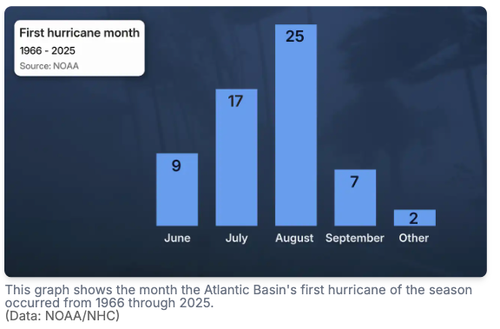
El Niño Delaying 2026 Atlantic Hurricane Season as Dolly Nears Florida
El Niño's wind shear suppresses 2026 Atlantic hurricane activity, delaying first hurricane as Tropical Storm Dolly's remnants approach Florida and the Caribbean.

Mumbai’s Vile Parle Cypher is giving unheard rappers a voice

Enrich and Ultimo impress

Karnataka CM Signals Review of 5% Park Land Amendment Bill in Assembly

