Trade Deficit Surges, Imports Up 3.7 percent, Exports Down 2.9 percent

The U.S. trade deficit surged in July, reaching its highest level in history, according to the latest Advance Economic Indicators Report released by the Census Bureau and the Bureau of Economic Analysis. The deficit in goods and services increased by 17.2 percent from June, driven by a 3.7 percent rise in imports and a 2.9 percent decline in exports.
The report highlighted significant shifts in trade dynamics. Imports of goods totaled $312.1 billion in July, up from $301.1 billion in June, while exports of goods fell to $137.9 billion from $142.0 billion. The overall trade deficit in goods widened to $174.2 billion, the largest on record since data collection began.
Economists noted that the increase in imports was largely attributed to higher demand for consumer goods and industrial supplies. Conversely, the decline in exports reflected weaker global demand for American products, particularly in key markets such as China and the European Union.
The surge in the trade deficit comes amid ongoing trade tensions and policy shifts under the current administration. Earlier this year, the White House announced sweeping tariffs under what was termed "Liberation Day," aimed at addressing trade imbalances with major trading partners. However, these measures have faced legal challenges and have not yet yielded the intended economic effects.
In March, President Trump proposed across-the-board tariffs of up to 20 percent, scheduled to take effect on April 2, dubbed "Liberation Day." These tariffs were intended to boost domestic industries but were met with immediate retaliation, including the shutdown of a major North Carolina sawmill due to Chinese countermeasures. Legal challenges followed, with the Court of International Trade striking down the tariffs in May, citing their unconstitutionality.
Despite the court's ruling, the administration has persisted with tariff policies, targeting sectors such as aluminum and steel. A recent Supreme Court decision in February upheld the legality of certain tariffs in a 6-3 vote, though broader reciprocal tariffs were struck down. Analysts suggest that while some tariff cases may be resolved in the courts, the most contentious measures—particularly those on steel and aluminum—are likely to remain in place.
The economic impact of these tariffs has been mixed. While intended to protect domestic industries, they have contributed to higher prices for consumers and businesses, exacerbating inflationary pressures. The trade war with Canada, in particular, has raised costs for American manufacturers reliant on cross-border supply chains.
As the trade deficit continues to widen, economists warn of potential long-term consequences for the U.S. economy, including reduced competitiveness and strained international relations. The administration's tariff policies remain a subject of debate, with critics arguing that they have failed to achieve their stated goals while imposing significant economic costs.
Comments (0)
No comments yet — be the first to weigh in.

Free School Uniform Swap Shop Saves Welsh Families £50m Annually
A Cardiff father's school uniform swap shop initiative has grown to 200 schools, helping Welsh families save £50m yearly while promoting sustainability and reducing clothing waste.

Poland, US Explore Permanent Military Bases: Defense Talks Underway
Poland and the US are discussing permanent American military bases in Poland, focusing on defense capabilities rather than troop numbers. Nuclear warheads are not part of the plans.

Taxpayers Lost $65B to Obamacare Fraud in 2024; Feds Crack Down
A Paragon Health Institute report reveals $65 billion in taxpayer losses due to Obamacare and Medicaid fraud in 2024, with improper enrollments rising in 2025.
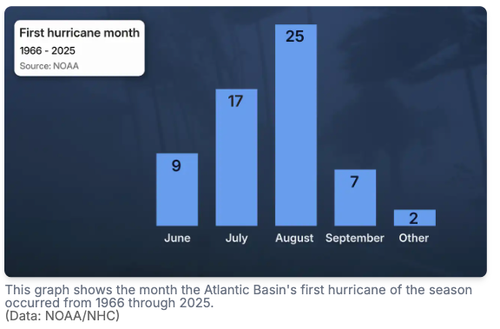
El Niño Delaying 2026 Atlantic Hurricane Season as Dolly Nears Florida
El Niño's wind shear suppresses 2026 Atlantic hurricane activity, delaying first hurricane as Tropical Storm Dolly's remnants approach Florida and the Caribbean.

Mumbai’s Vile Parle Cypher is giving unheard rappers a voice

Enrich and Ultimo impress

Karnataka CM Signals Review of 5% Park Land Amendment Bill in Assembly

