US Secures Historic Deal to Control Venezuela's Massive Oil Reserves
The US and Venezuela have reached a landmark agreement to develop 65 billion barrels of oil reserves, aiming to boost supply and lower gas prices for Americans.
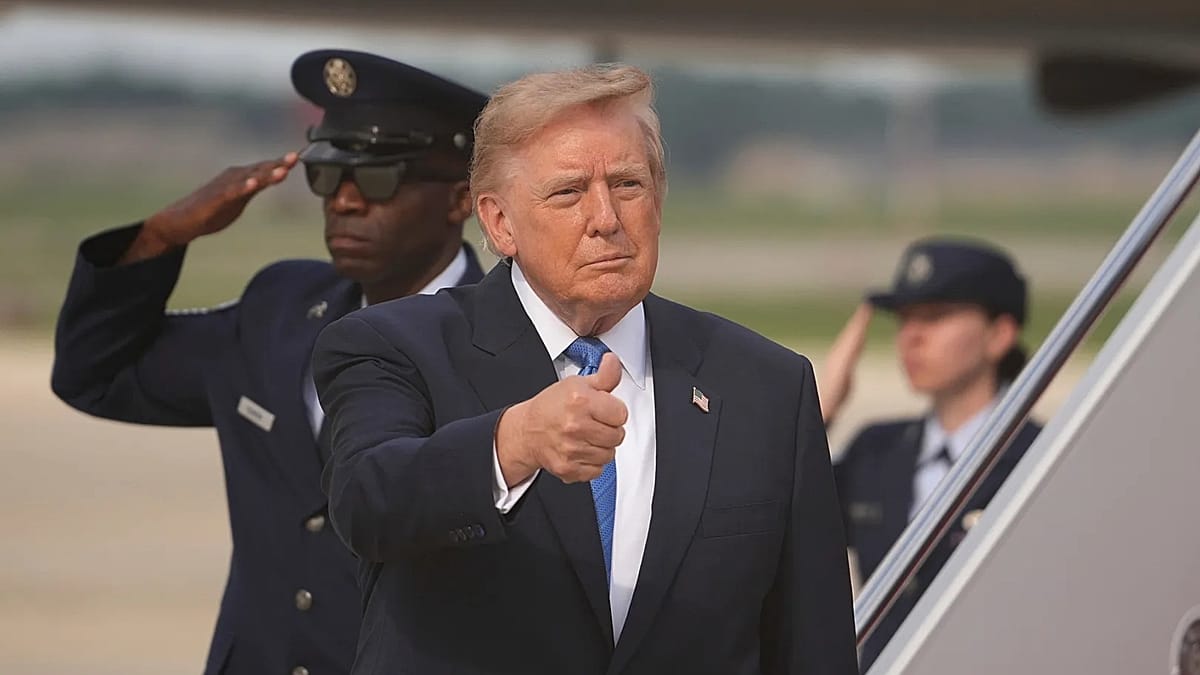
The United States and Venezuela have finalized a historic oil agreement that grants Washington significant control over Venezuela’s vast energy resources, potentially unlocking 65 billion barrels of crude reserves. Announced by U.S. President Donald Trump on Truth Social, the deal—described as the “biggest oil deal in world history”—aims to expand American oil reserves, boost supply, and reduce gasoline prices for consumers. Venezuelan acting President Delcy Rodríguez later confirmed the agreement in a social media statement, calling it a pivotal step toward economic recovery and development.
According to Rodríguez, the deal includes the development of 17 strategic oil fields, with projected investments exceeding $100 billion and potential state revenue of more than $209 billion in taxes. The announcement follows years of U.S. interest in Venezuela’s oil sector, particularly under the Trump administration, which has actively encouraged American oil companies to invest in South America’s largest proven reserves.
U.S. Secretary of State Marco Rubio praised the agreement on X, calling it a “huge win for both the American and Venezuelan people.” He emphasized that the deal aligns with Trump’s foreign policy agenda, securing stable oil supplies in the Western Hemisphere while supporting economic reconstruction in Venezuela. Rubio also highlighted expected benefits such as nearly $100 billion in private investment, the creation of thousands of high-paying jobs, and broader economic revitalization.
Despite the optimism, challenges remain. Many U.S. oil firms have hesitated due to concerns over aging infrastructure, political instability, and regulatory risks in Venezuela. The country’s oil industry has faced long-term decline, exacerbated by international sanctions and internal mismanagement. Analysts warn that despite the agreement’s potential, significant capital and technical expertise will be required to revive production at scale.
The deal comes amid heightened U.S. engagement with Venezuela following a January military operation targeting former leader Nicolás Maduro. Trump previously pledged billions in investment to rebuild Venezuela’s oil sector, framing it as a strategic move to strengthen energy security and counter global oil market fluctuations.
While the agreement represents a major step in U.S.-Venezuela relations, its long-term success depends on execution, investment flows, and geopolitical stability.
#VenezuelaOilDeal #USVenezuela #OilReserves #DonaldTrump #DelcyRodríguez #EnergySecurity #VenezuelaEnergy #MarcoRubio
Comments (0)
No comments yet — be the first to weigh in.

TAP ends first half with almost €100 million loss amid rising fuel costs
Portuguese national airline TAP Air Portugal posted a net loss of 99.2 million euros in the first half of the year, driven largely by surging jet fuel costs lin...
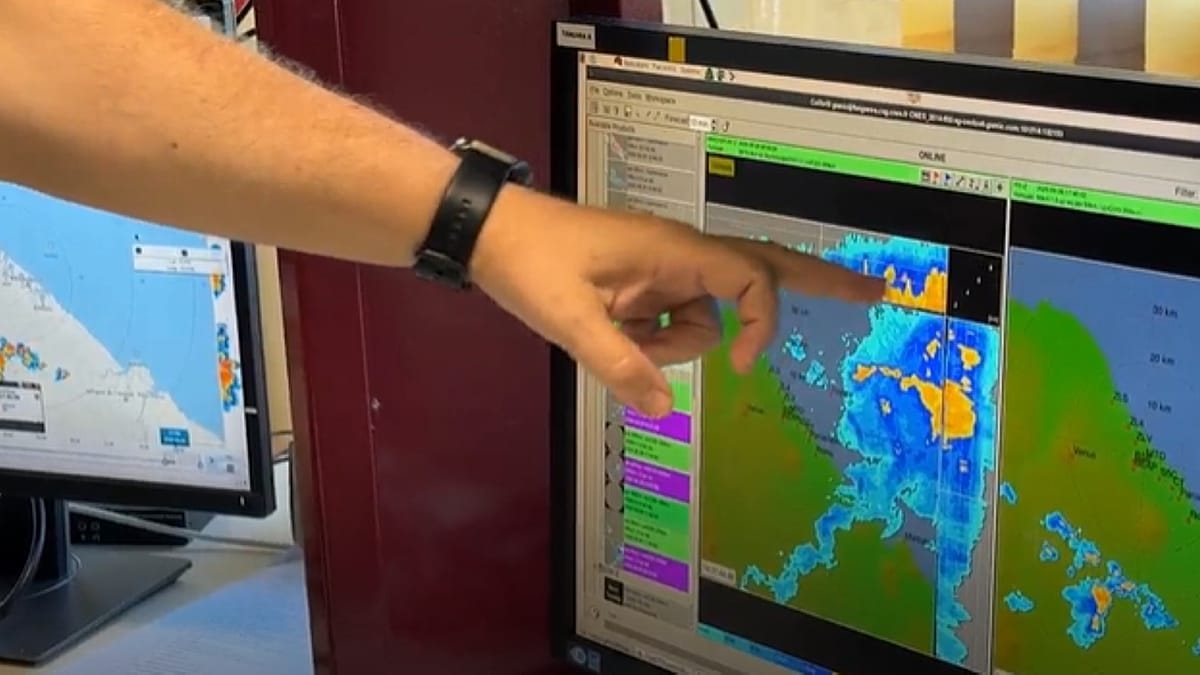
"Never done before": meteorologist on MTG-I2 leap to predict disasters
The European Space Agency and Eumetsat have launched the Meteosat Third Generation Imager-2 (MTG-I2) satellite, marking a significant advancement in weather for...

EU Climate Chief Warns China Dependence Raises Green Transition Costs
EU Climate Chief Wopke Hoekstra warns that Europe's reliance on China for clean energy tech could prolong strategic vulnerabilities and inflate costs during the green transition.

Iran fires retaliatory strikes following US attacks on Larak island in the Strait of Hormuz
US military strikes Iranian targets in Strait of Hormuz, prompting retaliatory Iranian missile attacks on US bases in Jordan The United States launched precisio...

Mumbai’s Vile Parle Cypher is giving unheard rappers a voice

Enrich and Ultimo impress

Karnataka CM Signals Review of 5% Park Land Amendment Bill in Assembly

