WhatsApp announces three ways to make accounts more secure

Meta today announced a suite of new security enhancements for WhatsApp, aimed at making user accounts harder to compromise and giving callers more information about unfamiliar contacts. The updates include expanded passkey support, a stronger two‑step verification system, and an Android‑only caller‑context feature for WhatsApp voice and video calls.
WhatsApp now allows users to register more than one passkey for a single account. The change is intended to help people who use both iOS and Android devices. Passkeys, which replace passwords with biometric or device‑based authentication, can be logged in with Face ID, Touch ID, or a screen‑lock code. Meta said that over one billion users already employ passkeys to access their accounts. The platform first rolled out passkey support on Android in October 2023 and added iPhone support in April 2024. The new multi‑passkey capability means a single WhatsApp account can be secured with several different biometric or device credentials, reducing the risk of a single point of failure.
In addition to passkeys, WhatsApp is tightening its two‑step verification. The app’s existing two‑step system requires a six‑digit PIN that is sent to the user’s email if a new device attempts to log in. The new update expands the PIN to a full alphanumeric password that can include special characters. “Two‑step verification is an extra protection layer that helps prevent someone from taking over your account, even if they get hold of your one‑time passcode,” WhatsApp explained. The change is designed to make the verification process more secure by increasing the complexity of the password that a potential attacker would need to guess or brute‑force.
The final feature announced today is a caller‑context enhancement that is currently available only on Android. When a user receives a WhatsApp call from a number that is not saved in their contacts, the screen will now display additional information to help the recipient decide whether to answer. The data shown includes whether the number originates from a different country and whether the caller shares any common groups with the user. The feature is intended to give users a moment to assess the legitimacy of an incoming call, especially since scammers often rely on urgency to pressure victims into answering.
Apple’s iPhone users have a similar tool for traditional phone calls: the Call Screening feature, available on iOS 26 and later. The feature asks unknown callers to identify themselves and state the reason for calling before the phone rings. However, Call Screening does not extend to WhatsApp calls, so the Android caller‑context feature represents a new capability for Android users.
Meta did not provide a specific release date for the new features, but the company said they would be rolled out in the coming weeks. Users will be prompted to update their WhatsApp app to access the new security settings. The updates come amid growing concerns over account takeovers and phishing attacks, as well as a broader industry push toward passwordless authentication.
For more information on the new security features, WhatsApp has published a detailed guide on its website. The company’s announcement is part of a broader effort to strengthen user privacy and security across its messaging platforms.
Comments (0)
No comments yet — be the first to weigh in.

Energy biz SSE smacked around in court by a guy and AI
An Oxford doctoral student has defeated British energy provider SSE Energy Supply in court after utilizing artificial intelligence models to build his legal def...
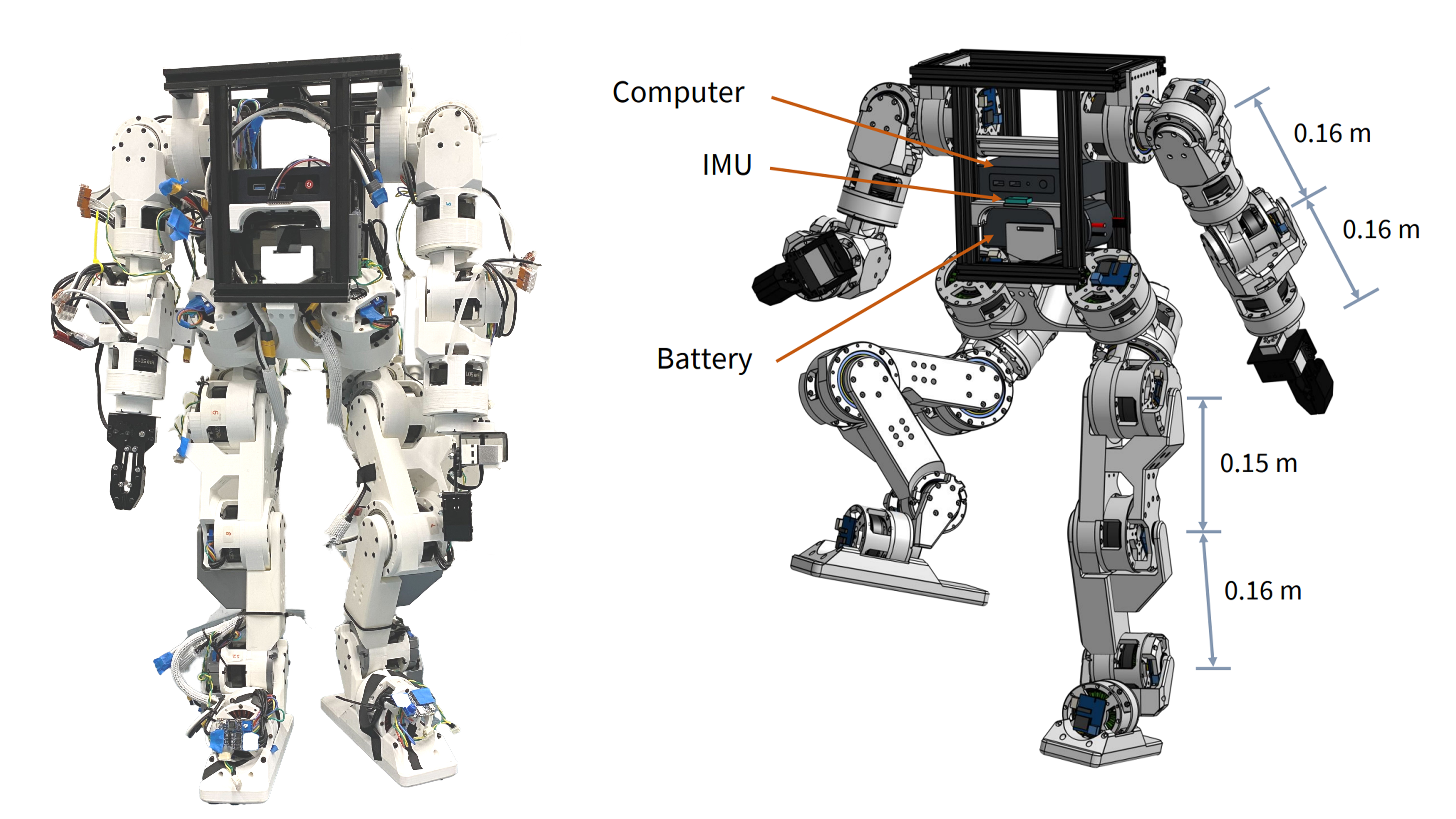
Berkeley Humanoid Lite: Affordable Open-Source Robot with DIY Actuators
Explore the Berkeley Humanoid Lite, a budget-friendly open-source robot featuring 3D-printed actuators under $5,000 USD. Learn how its modular design benefits DIY projects.

Woodstove Safety Monitor: Oru System Alerts Users to Temperature Fluctuations
Discover how the Oru woodstove assistant helps prevent dangerous chimney fires by monitoring exhaust gas temperatures and alerting users to temperature changes.

NES CD Add-On Revives 1980s Gaming with Optical Storage
Explore how a DIY project integrates a CD drive with the NES using an RP2350B microcontroller and Everdrive N8 Pro for expanded storage and audio playback.

Mumbai’s Vile Parle Cypher is giving unheard rappers a voice

Enrich and Ultimo impress

Karnataka CM Signals Review of 5% Park Land Amendment Bill in Assembly

