3D Printed Piano Action Faithful to the Original
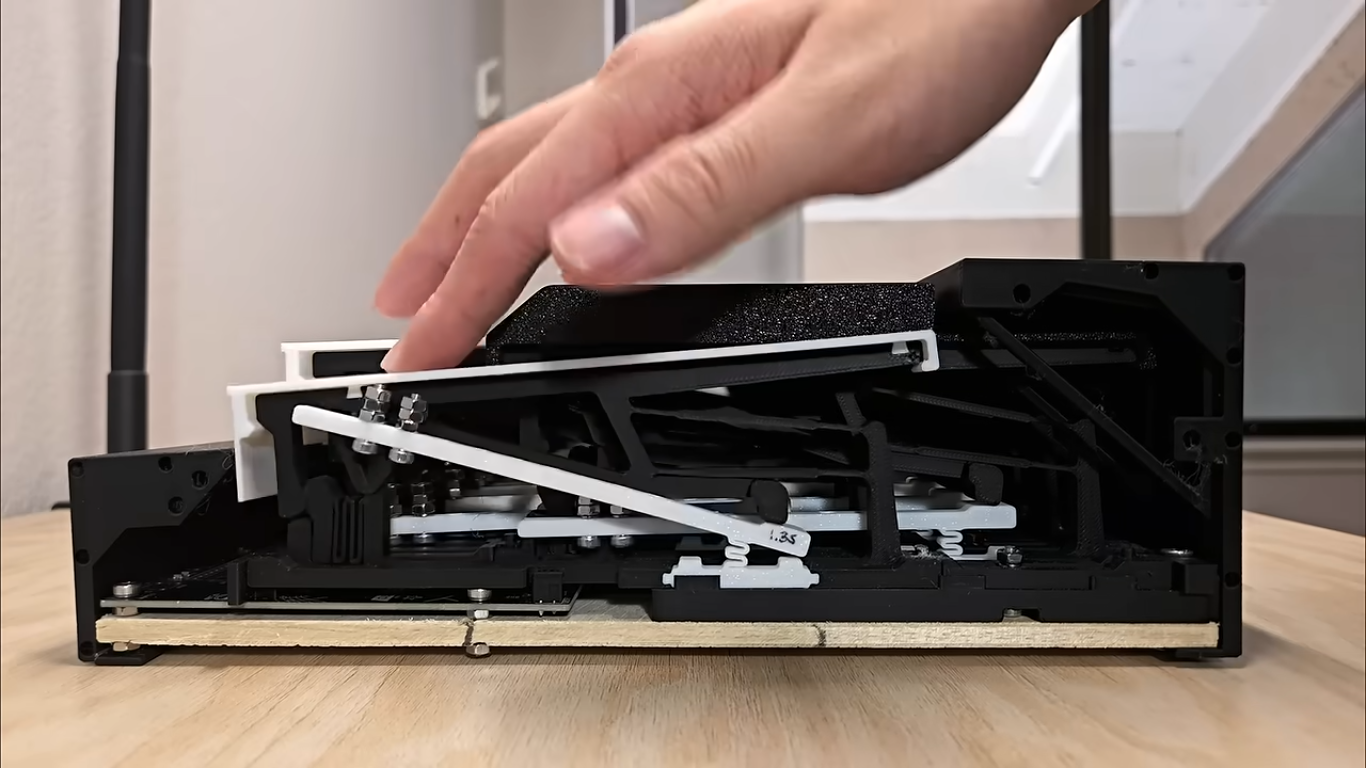
A team of engineers and musicians has developed a 3D-printed piano action that faithfully replicates the intricate mechanics of a traditional acoustic piano. Using compliant mechanisms—solid parts designed to flex in controlled ways—the project by dovetail demonstrates how additive manufacturing can recreate the complex interplay of levers, hammers, and dampers that define a piano’s sound and touch. The prototype, presented at the Open Sauce event, marks a significant step in bridging digital and analog piano technology.
The piano’s action mechanism is one of the most sophisticated in musical instruments, requiring precise coordination to control key velocity, hammer rebound, and string damping. Traditional piano actions evolved over centuries, but dovetail sought to reproduce this functionality in weeks using a 3D printer. The design relies on compliant mechanisms, where flexible joints and carefully engineered geometry replace traditional pivots and springs. After multiple iterations, the team achieved a mechanism that closely mimics the tactile feedback of a real piano key.
To accommodate a full musical range, dovetail developed a modular system in which each key’s action can be assembled independently and linked together. Electronics were also designed to be modular, with printed circuit boards (PCBs) daisy-chained to support multiple keys. This hybrid approach combines a mechanical piano action with digital sound generation, enabling the instrument to function as a MIDI controller. Infrared sensors detect key movements, translating physical keystrokes into digital signals for sound production.
During its debut at Open Sauce, the prototype was tested by several musicians, who provided feedback on its playability and feel. While still in development, the team plans to refine the design by upgrading from infrared sensors to Hall effect sensors for more accurate detection, improving the action mechanism for smoother performance, and experimenting with different 3D printing filaments to enhance durability and responsiveness. Additional improvements are also planned, with future updates expected to be shared in upcoming videos.
The project is not the first to explore 3D-printed musical mechanisms. A similar effort previously created a 3D-printed bass drum action, showcasing the versatility of additive manufacturing in instrument design. dovetail’s piano action expands on this concept, offering a new pathway for affordable, customizable piano mechanisms that could benefit musicians, educators, and hobbyists.
#3DPrinting #PianoMechanism #DigitalPiano #MIDIController #OpenSauce #CompliantMechanisms #MusicTech #DIYPiano
Comments (0)
No comments yet — be the first to weigh in.

Energy biz SSE smacked around in court by a guy and AI
An Oxford doctoral student has defeated British energy provider SSE Energy Supply in court after utilizing artificial intelligence models to build his legal def...
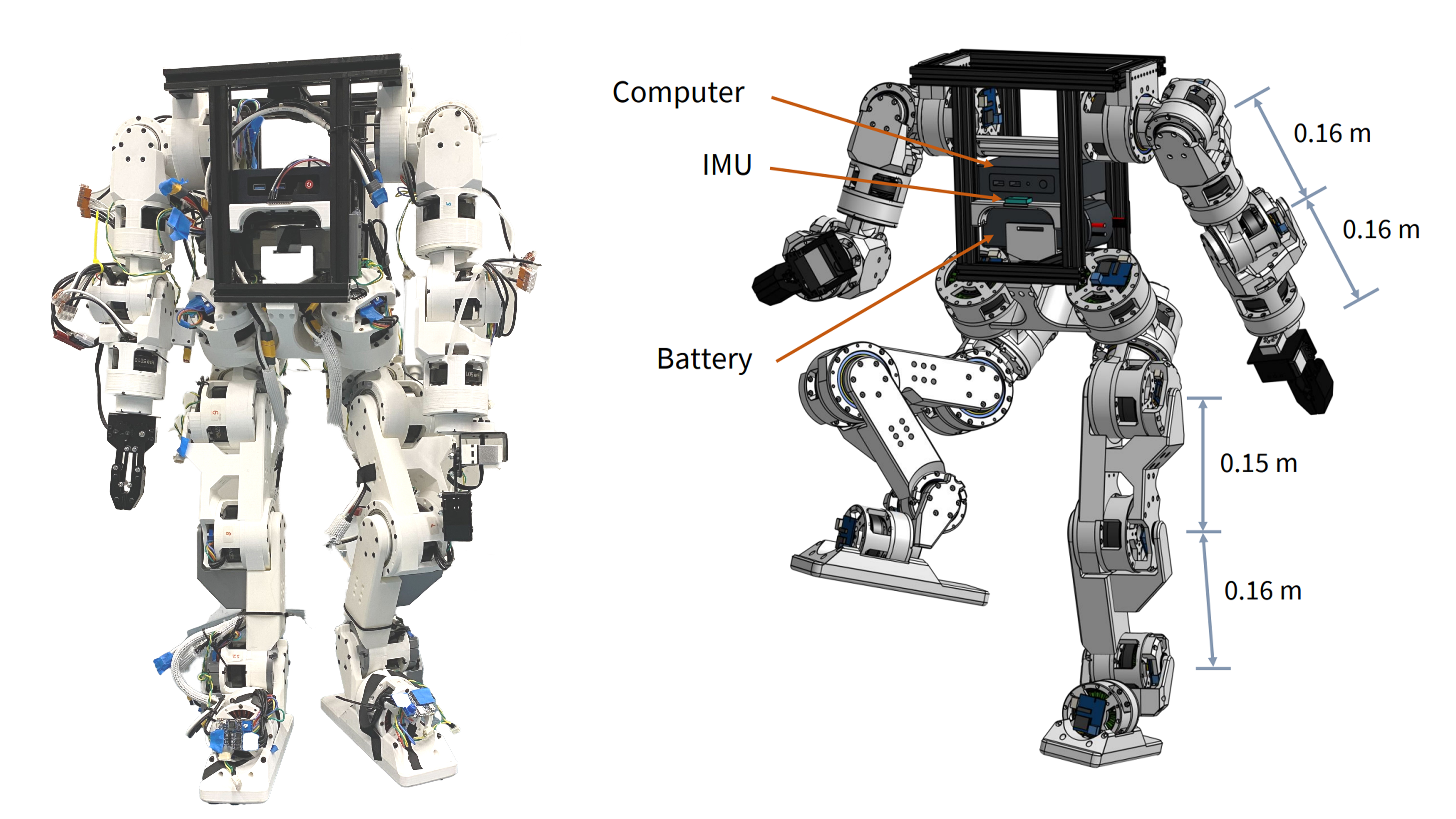
Berkeley Humanoid Lite: Affordable Open-Source Robot with DIY Actuators
Explore the Berkeley Humanoid Lite, a budget-friendly open-source robot featuring 3D-printed actuators under $5,000 USD. Learn how its modular design benefits DIY projects.

Woodstove Safety Monitor: Oru System Alerts Users to Temperature Fluctuations
Discover how the Oru woodstove assistant helps prevent dangerous chimney fires by monitoring exhaust gas temperatures and alerting users to temperature changes.
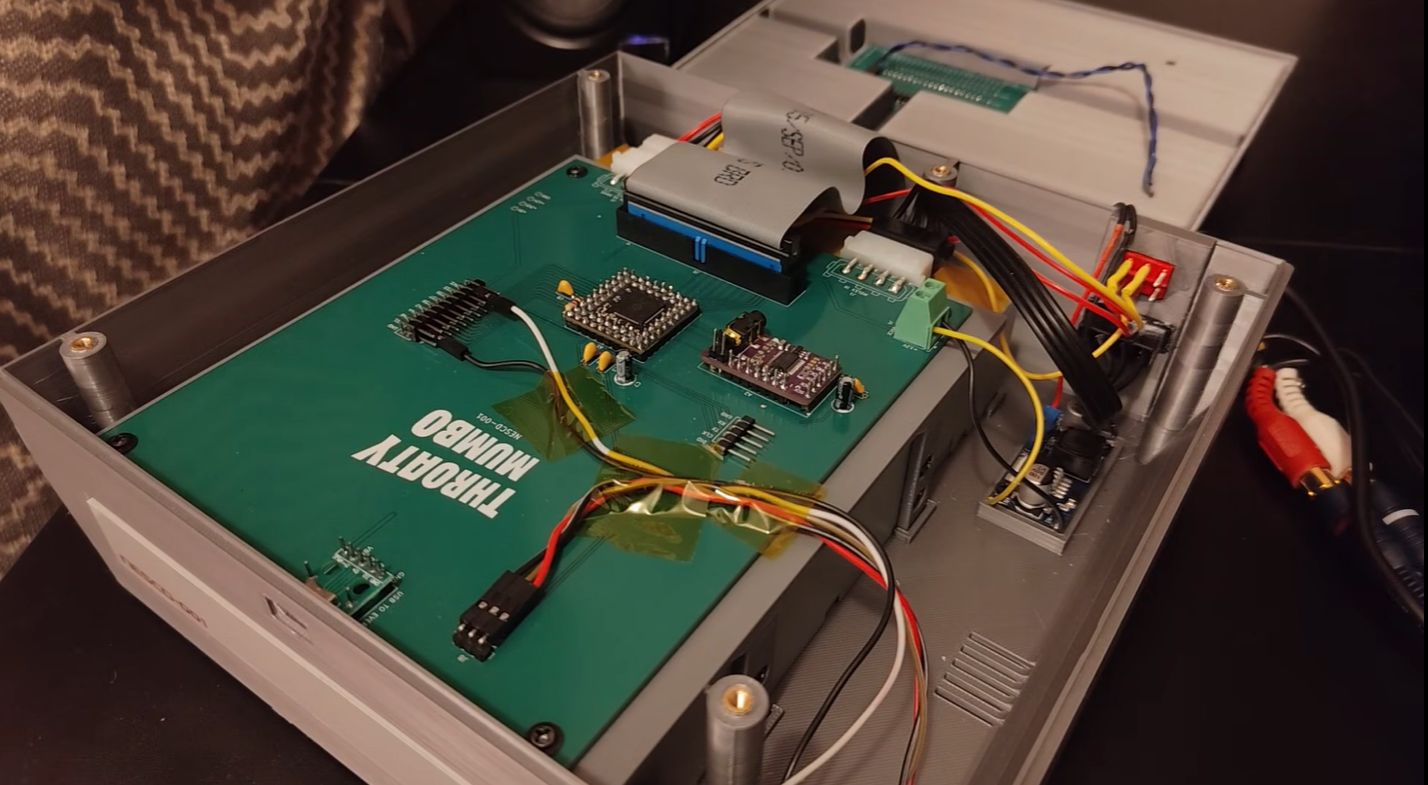
NES CD Add-On Revives 1980s Gaming with Optical Storage
Explore how a DIY project integrates a CD drive with the NES using an RP2350B microcontroller and Everdrive N8 Pro for expanded storage and audio playback.

Mumbai’s Vile Parle Cypher is giving unheard rappers a voice

Enrich and Ultimo impress

Karnataka CM Signals Review of 5% Park Land Amendment Bill in Assembly

