50 Survival Lessons From The Great Depression: The Horrifying Things Americans Did When Money, Jobs, & Hope Disappeared
The echoes of the Great Depression, a period when the American Dream shattered for millions, reverberate in today’s economic uncertainty, as global commerce stumbles and families stretch every penny in dimly lit kitchens. That stark image of hollowed-out faces staring into bowls of thin soup—captured nearly a century ago—could just as easily depict modern tent cities dotting the American landscape. The Great Depression, which erased 25 percent of the workforce and reduced proud breadwinners to beggars, was not a distant folktale but a visceral collapse that left enduring scars. Now, as economic forecasts darken and household budgets tighten, the survival strategies of that era offer more than historical insight—they form a practical survival manual for navigating hardship.
The descent began on October 29, 1929, Black Tuesday, when the stock market’s collapse exposed the fragility of the Roaring Twenties’ glittering economy. Built on speculation and debt, the financial system imploded within months. Factories fell silent, construction halted, and vast breadlines formed not from laziness but from the sudden evaporation of work. Fourteen million Americans found themselves unemployed, their stomachs growling in unison as the machinery of industry ground to a halt. The crisis was not merely poverty—it was systemic collapse, a civilization plunging into darkness without handholds.
People did not just endure; they adapted with stubborn ingenuity. Families migrated like nomads, following harvests from Texas cotton fields to Washington apple orchards, pooling resources and sharing burdens. Pride gave way to pragmatism as white-collar workers took up shovels and housewives traded silk for scrubbing floors. Every family member, from children selling newspapers to grandparents minding infants, became part of an economic unit where survival was the only dividend.
Scavenging became an art form. Driftwood fueled stoves, rusted metal yielded scrap value, and even bones were rendered into glue. The junk man and beachcomber were local aristocrats, transforming refuse into currency. Government programs like those under the New Deal, though bureaucratic, provided structure and purpose—men learned masonry building dams, women sewed uniforms—while offering a fragile lifeline. Persistence trumped pride; job seekers walked every street, knocking on factory doors, offering labor by the hour.
Small-scale enterprise flourished out of necessity. Women cooked stews before dawn and sold them at factory gates. Men sharpened tools on porches, bartering services for food or lodging. Farmers paid wages in crops instead of cash, and families crowded into single homes to share heat and rent. Even shelter became creative: cars parked behind churches served as rolling bedrooms, while shacks built from scrap wood and tin declared defiance against despair.
Adaptability was survival’s cornerstone. Breadth triumphed over specialization; the jack-of-all-trades thrived when markets for expertise vanished. Insulation was improvised from newspaper and old coats, and payment in kind—chickens for labor, sides of pork for repairs—sustained communities when cash disappeared. These lessons, forged in hunger and calloused hands, form a timeless guide for those facing economic uncertainty today.
#GreatDepression #EconomicHistory #SurvivalSkills #FinancialCollapse #HistoricalLessons #AmericanHistory #HardTimes #FinancialResilience
Comments (0)
No comments yet — be the first to weigh in.

Free School Uniform Swap Shop Saves Welsh Families £50m Annually
A Cardiff father's school uniform swap shop initiative has grown to 200 schools, helping Welsh families save £50m yearly while promoting sustainability and reducing clothing waste.

Poland, US Explore Permanent Military Bases: Defense Talks Underway
Poland and the US are discussing permanent American military bases in Poland, focusing on defense capabilities rather than troop numbers. Nuclear warheads are not part of the plans.

Taxpayers Lost $65B to Obamacare Fraud in 2024; Feds Crack Down
A Paragon Health Institute report reveals $65 billion in taxpayer losses due to Obamacare and Medicaid fraud in 2024, with improper enrollments rising in 2025.
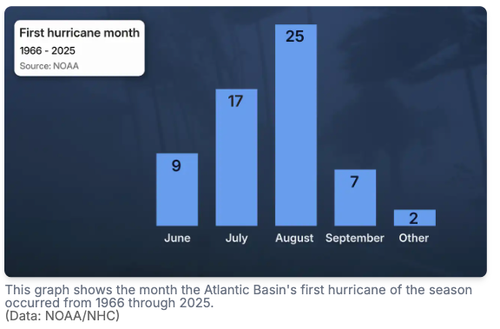
El Niño Delaying 2026 Atlantic Hurricane Season as Dolly Nears Florida
El Niño's wind shear suppresses 2026 Atlantic hurricane activity, delaying first hurricane as Tropical Storm Dolly's remnants approach Florida and the Caribbean.

Mumbai’s Vile Parle Cypher is giving unheard rappers a voice

Enrich and Ultimo impress

Karnataka CM Signals Review of 5% Park Land Amendment Bill in Assembly

