Ads have landed in Apple Maps, and they are as bad as expected

Apple has begun placing advertisements in its Maps app for users in the United States and Canada, a move that is expected to expand to all users of the platform within weeks. The company confirmed the rollout after the first ads appeared in the app yesterday, following a warning issued in March that summer‑time advertising would be introduced.
Apple maintains that the new advertising system is designed to preserve user privacy. According to the company, a user’s location data and the ads they view or interact with are not linked to their Apple account. Personal data remains on the device, is not collected or stored by Apple, and is not shared with advertisers or third parties. The company has highlighted these measures as a continuation of its privacy‑first approach to advertising.
The decision to add ads to Maps comes after a poll conducted by 9to5Mac last month, in which a majority of respondents expressed a desire for Apple to exit the advertising business entirely. The poll’s results reflected a broader skepticism among Apple users about the company’s involvement in ad revenue streams.
Apple’s advertising initiative has drawn criticism from observers who argue that the presence of ads undermines the brand’s privacy reputation. While Apple claims it does not track users to deliver personalized ads, most other apps and websites rely on tracking for targeted advertising. The perception that Apple might be engaging in similar practices, even if it is not, could damage the company’s image as a privacy champion.
Critics also point out that advertisements in a premium, hardware‑centric company’s core software appear incongruous with Apple’s brand identity. Apple’s devices command premium prices, and the company has traditionally relied on hardware sales rather than ad revenue to fund its operations. Introducing ads into a free, built‑in application is viewed by some as a cheapening of the user experience, similar to the “Intel Inside” stickers that appeared on lower‑cost Windows laptops. The comparison suggests that while budget manufacturers may need diverse revenue streams, Apple’s addition of ads to its flagship software is unexpected and potentially damaging to the brand.
The ads that have appeared in Apple Maps are described as simple banner‑style placements that appear at the top of the map interface. They are not tailored to individual users and are intended to be generic. The company has not released detailed metrics on how many ads a user will see or how frequently they will appear. The ads are currently only visible in the United States and Canada; Apple has not announced a timeline for expanding the program to other regions.
Apple’s marketing team has emphasized that the company’s advertising model is distinct from those of other tech giants. The firm claims that by keeping user data on the device and not storing it centrally, it can provide a safer advertising experience. However, the lack of third‑party tracking and data sharing has not fully assuaged concerns among privacy advocates.
The introduction of advertising in Apple Maps follows a broader industry trend in which free, ad‑supported apps and services increasingly monetize user data. While Apple’s approach differs in its technical implementation, the decision to generate ad revenue in a core application marks a significant shift in the company’s business strategy.
In summary, Apple’s rollout of ads in Maps is a notable development that has sparked debate over privacy, brand identity, and the appropriateness of advertising within a premium ecosystem. The company’s insistence on a privacy‑focused model contrasts with the widespread use of tracking in the advertising industry, yet the perception of potential privacy risks remains a point of contention. As the rollout continues, analysts will monitor user response and the impact on Apple’s reputation for protecting privacy and maintaining a premium user experience.
Comments (0)
No comments yet — be the first to weigh in.

Energy biz SSE smacked around in court by a guy and AI
An Oxford doctoral student has defeated British energy provider SSE Energy Supply in court after utilizing artificial intelligence models to build his legal def...
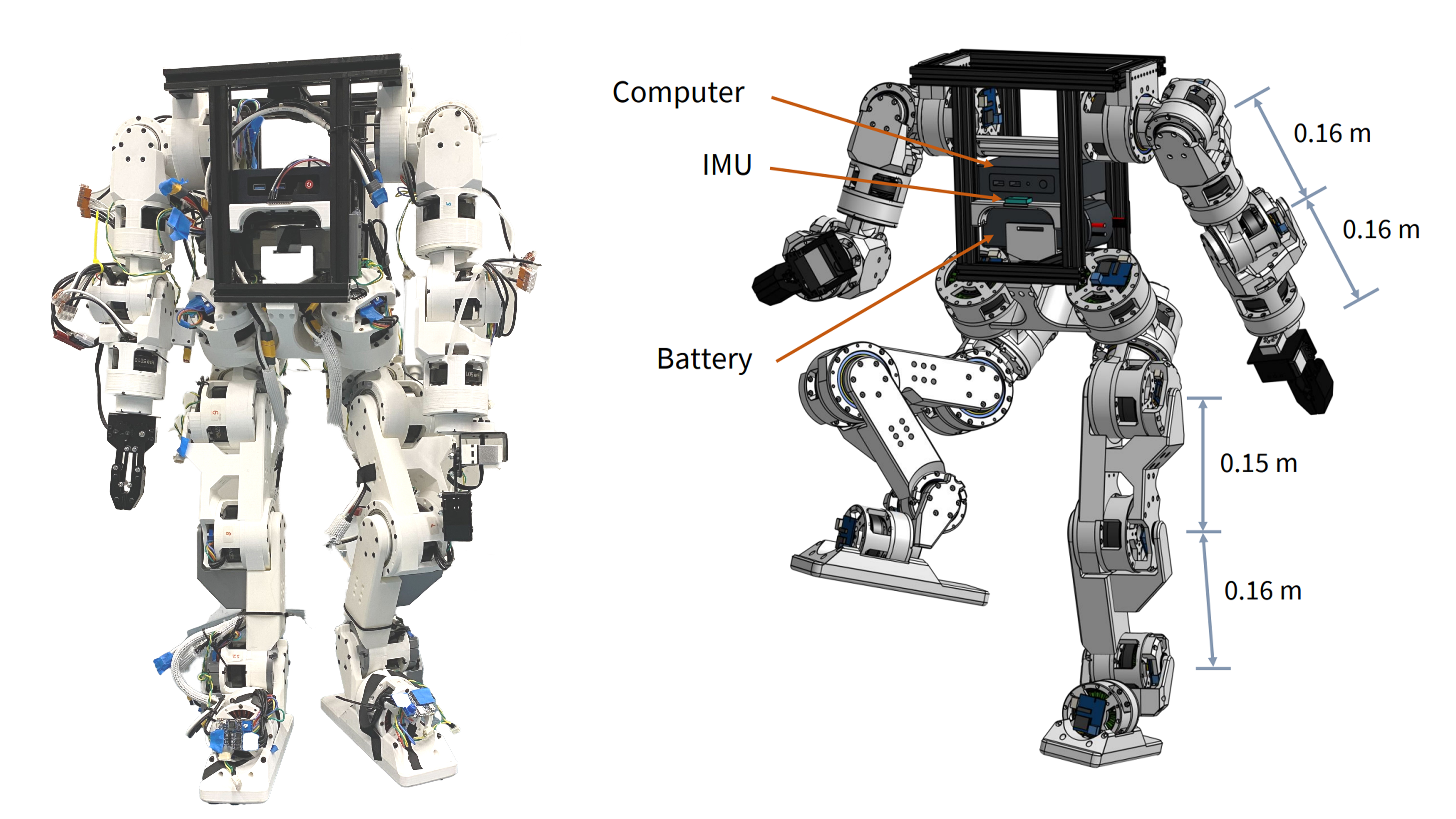
Berkeley Humanoid Lite: Affordable Open-Source Robot with DIY Actuators
Explore the Berkeley Humanoid Lite, a budget-friendly open-source robot featuring 3D-printed actuators under $5,000 USD. Learn how its modular design benefits DIY projects.

Woodstove Safety Monitor: Oru System Alerts Users to Temperature Fluctuations
Discover how the Oru woodstove assistant helps prevent dangerous chimney fires by monitoring exhaust gas temperatures and alerting users to temperature changes.

NES CD Add-On Revives 1980s Gaming with Optical Storage
Explore how a DIY project integrates a CD drive with the NES using an RP2350B microcontroller and Everdrive N8 Pro for expanded storage and audio playback.

Mumbai’s Vile Parle Cypher is giving unheard rappers a voice

Enrich and Ultimo impress

Karnataka CM Signals Review of 5% Park Land Amendment Bill in Assembly

