AI Surveillance Evasion: German Designer Creates 'Anti-AI' Fabric to Confuse Algorithms
German designer Simon Weckert creates vibrant fabric to trick AI surveillance cameras into not recognizing wearers as humans. Explore how this innovative approach challenges AI detection.
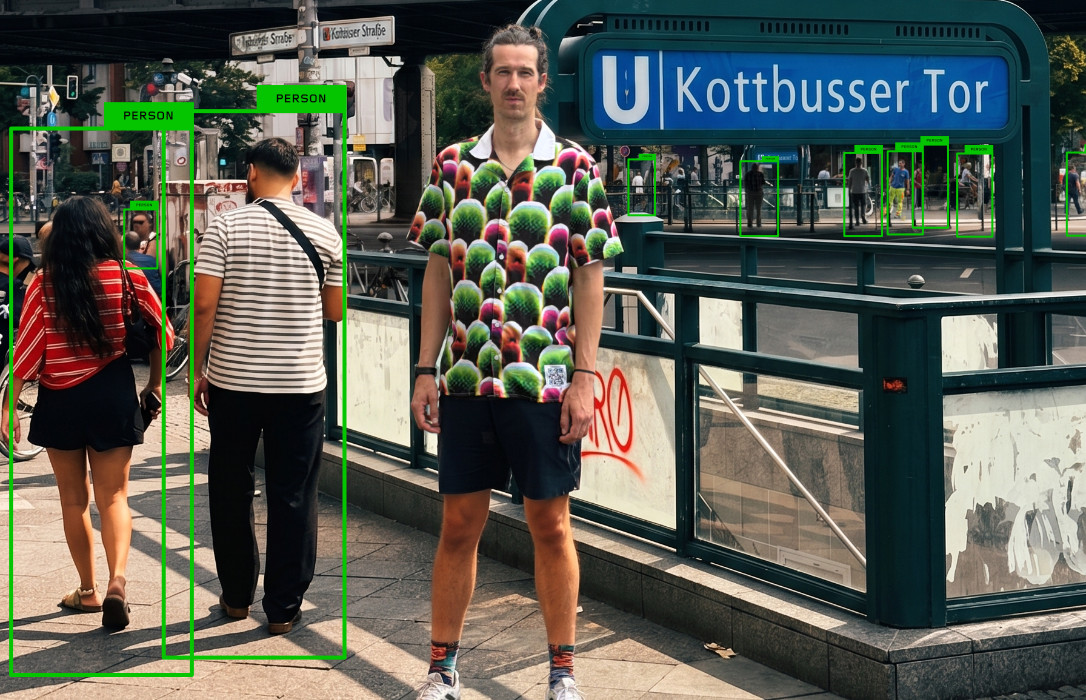
German designer Simon Weckert has developed a wearable fabric designed to disrupt artificial intelligence-powered surveillance systems by preventing AI from recognizing the wearer as a human. The innovation addresses growing concerns over pervasive AI-driven monitoring in public spaces, where facial recognition and behavioral analysis are increasingly used by governments and corporations. Weckert’s design employs bold, saturated colors and patterns that specifically target the weaknesses of AI recognition algorithms, effectively creating visual noise to obscure the wearer’s identity.
The fabric, which Weckert calls a "loud" garment, is intended to confuse AI systems by overwhelming their ability to distinguish human figures from background elements. In demonstrations, the approach appears to work—AI systems fail to identify the wearer as a person. However, the design also makes the wearer highly conspicuous to human observers due to its vibrant and eye-catching appearance. This trade-off raises questions about the long-term effectiveness of such a solution, particularly as AI systems continue to improve and adapt to countermeasures.
Weckert’s project joins a growing body of work aimed at evading AI surveillance, reflecting a broader trend where individuals and researchers seek ways to protect privacy in an era of expanding digital monitoring. Similar techniques, such as adversarial patches or clothing designed to fool facial recognition, have been explored in the past, though many have proven temporary solutions. As AI surveillance technologies advance—including those used by law enforcement and private companies—innovations like Weckert’s fabric highlight the ongoing cat-and-mouse game between privacy advocates and those seeking to monitor behavior.
The question remains whether such designs can remain effective against increasingly sophisticated AI systems. While the fabric may temporarily disrupt recognition algorithms, developers of these systems are likely to refine their models to account for such tactics. This could lead to an escalation in both evasion techniques and surveillance countermeasures, making privacy protection an ongoing challenge.
For now, Weckert’s creation offers a creative, if visually striking, approach to resisting AI surveillance. Whether it becomes a mainstream solution or another short-lived tactic in the privacy wars depends largely on how quickly surveillance technologies evolve to counter it.
#AIPrivacy #Surveillance #FacialRecognition #PrivacyTech #WearableTech #SimonWeckert #Germany
Comments (0)
No comments yet — be the first to weigh in.

Energy biz SSE smacked around in court by a guy and AI
An Oxford doctoral student has defeated British energy provider SSE Energy Supply in court after utilizing artificial intelligence models to build his legal def...
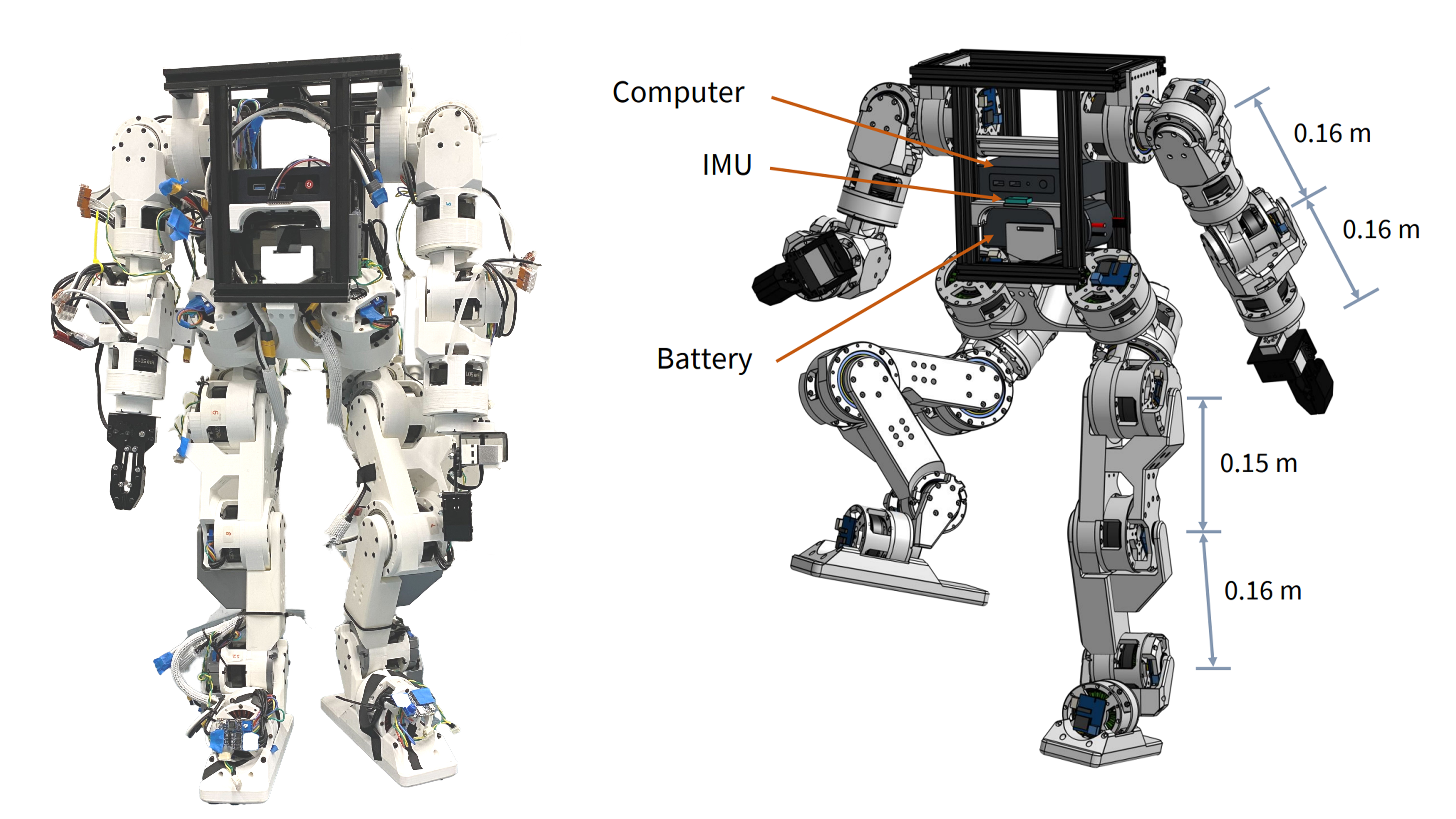
Berkeley Humanoid Lite: Affordable Open-Source Robot with DIY Actuators
Explore the Berkeley Humanoid Lite, a budget-friendly open-source robot featuring 3D-printed actuators under $5,000 USD. Learn how its modular design benefits DIY projects.

Woodstove Safety Monitor: Oru System Alerts Users to Temperature Fluctuations
Discover how the Oru woodstove assistant helps prevent dangerous chimney fires by monitoring exhaust gas temperatures and alerting users to temperature changes.

NES CD Add-On Revives 1980s Gaming with Optical Storage
Explore how a DIY project integrates a CD drive with the NES using an RP2350B microcontroller and Everdrive N8 Pro for expanded storage and audio playback.

Mumbai’s Vile Parle Cypher is giving unheard rappers a voice

Enrich and Ultimo impress

Karnataka CM Signals Review of 5% Park Land Amendment Bill in Assembly

