Americans Push for Price Controls Despite Historical Warnings of Shortages
A recent poll reveals that nearly two-thirds of Americans support government price controls, despite historical evidence showing shortages and black markets. Economists warn of potential consequences.
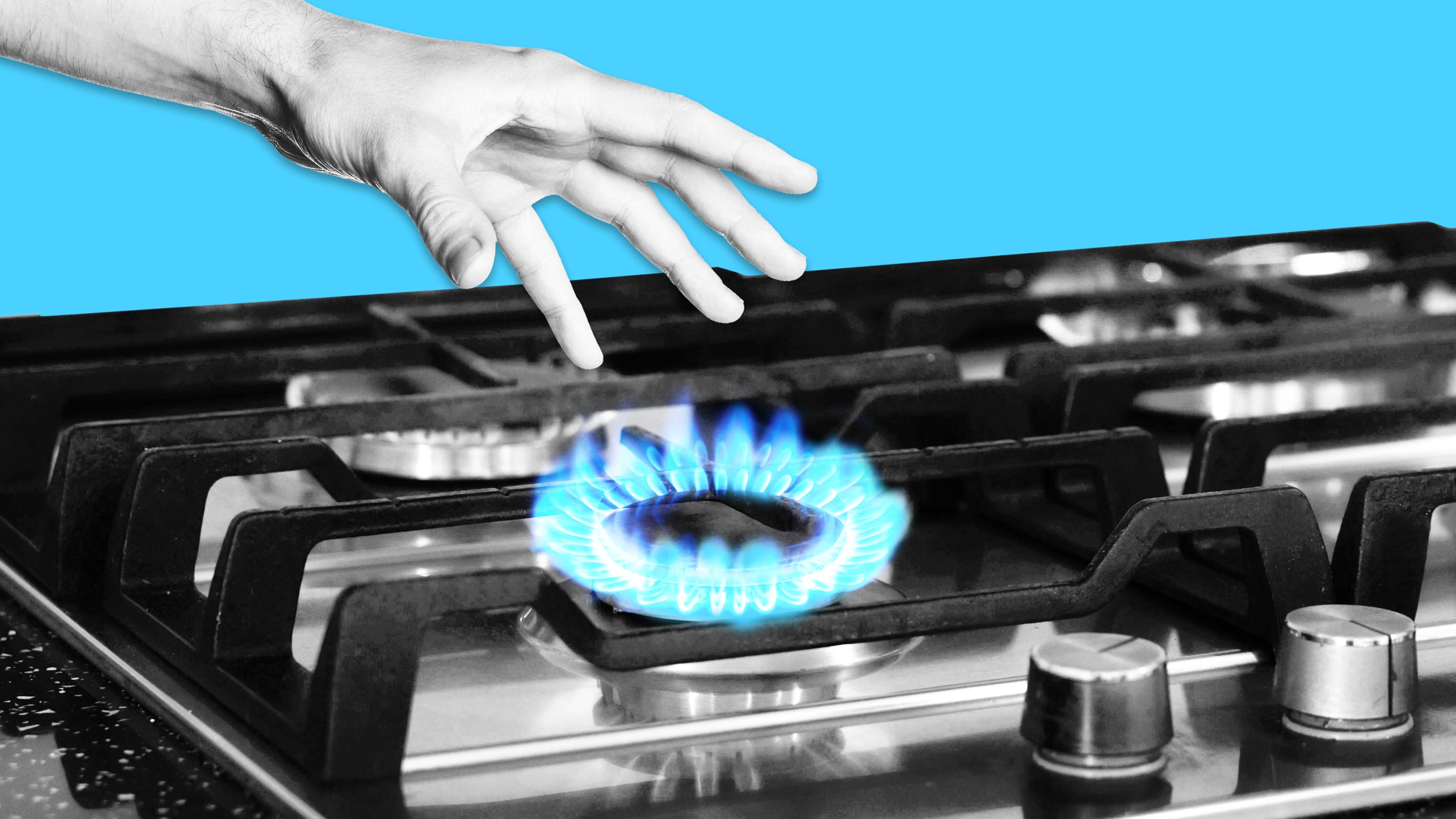
A growing number of Americans, spanning both major political parties, are showing support for government-imposed price controls on private sector goods and services, according to a recent CBS News/YouGov poll. The survey found that 65 percent of Americans favor laws that limit how much companies can raise prices, including 54 percent of Republicans. This push comes despite historical warnings about the unintended consequences of price controls, which have often led to shortages and black markets in countries such as the Soviet Union, Zimbabwe, and Argentina, as well as in the United States during the 1970s.
Economic historians and analysts widely caution against government intervention in pricing, citing long-standing evidence that such measures disrupt market equilibrium. Price controls, when enforced, typically result in unintended imbalances between supply and demand. For instance, if the government caps the price of a medication below its market rate, pharmaceutical companies may reduce production or exit the market entirely, leaving patients without access. Similarly, rent control policies, often intended to help tenants, have been linked to housing shortages and decreased maintenance of rental properties.
Despite these risks, political leaders from both sides of the aisle have advocated for price controls. Former President Donald Trump, a Republican, has previously expressed support for government action to curb rising drug prices. On the Democratic side, Senator Elizabeth Warren of Massachusetts has been a vocal proponent of price controls, arguing they would make essential goods more affordable for American families. Both leaders frame price controls as a straightforward solution to economic hardship, though critics argue their proposals lack empirical support and could worsen the very problems they aim to solve.
Public enthusiasm for price controls appears to stem from frustration with rising living costs, particularly in sectors like healthcare, housing, and groceries. Inflationary pressures over the past several years have eroded household budgets, prompting calls for government intervention. However, economists note that price controls do not address the root causes of inflation—such as supply chain disruptions, labor shortages, or monetary policy—nor do they create additional supply. Instead, they often transfer economic distortions from one sector to another.
The push for price controls reflects a broader shift in public opinion toward favoring government action in the private economy. This trend is part of what some analysts describe as a move toward "FAFO Economics"—a play on the military acronym "F*** Around and Find Out"—suggesting a willingness to experiment with untested economic policies despite potential risks. While proponents argue that price controls could provide immediate relief to consumers, opponents warn that the long-term consequences could include reduced innovation, lower investment, and persistent shortages.
As discussions intensify, policymakers face a critical choice: whether to prioritize short-term affordability through government mandates or address structural economic challenges through market-based solutions. The debate over price controls is likely to remain a central issue in economic policy discussions in the months ahead.
#PriceControls #EconomicPolicy #Inflation #DonaldTrump #ElizabethWarren #MarketIntervention
Comments (0)
No comments yet — be the first to weigh in.

Middlesbrough's Crime Crisis: Decades of Failed Policies Unleash Chaos
Former Middlesbrough mayor Andy Preston blames decades of lenient crime policies for the town's recent surge in gang violence and lawlessness.

Google Maps Renames Lake Ontario to 'Lake America' Following Trump Order
Google Maps now displays 'Lake America' in the US, replacing 'Lake Ontario' after Trump's executive order amid trade tensions with Canada. Canadians still see the original name.

Pentagon Warns Pentagon Chiefs: Iran War Unsustainable, Threatens U.S. Readiness
Classified assessment reveals Pentagon chiefs warn Defense Secretary Pete Hegseth that the Iran war is unsustainable and drains U.S. military resources and readiness.

Mike Rogers Proposes $50 Copays for Routine Health Screenings, Critics Warn of Risks
Former Congressman Mike Rogers suggests $50 copays for routine screenings, sparking debate over healthcare costs and access. Critics highlight potential risks.

Mumbai’s Vile Parle Cypher is giving unheard rappers a voice

Enrich and Ultimo impress

Karnataka CM Signals Review of 5% Park Land Amendment Bill in Assembly

