Analysis: How lobbying firm Signum Global Advisors gains political access in UK
UK lobbying firm Signum Global Advisors has donated £20,000 to Labour's Angela Rayner while courting other MPs, raising questions about transparency and political access.
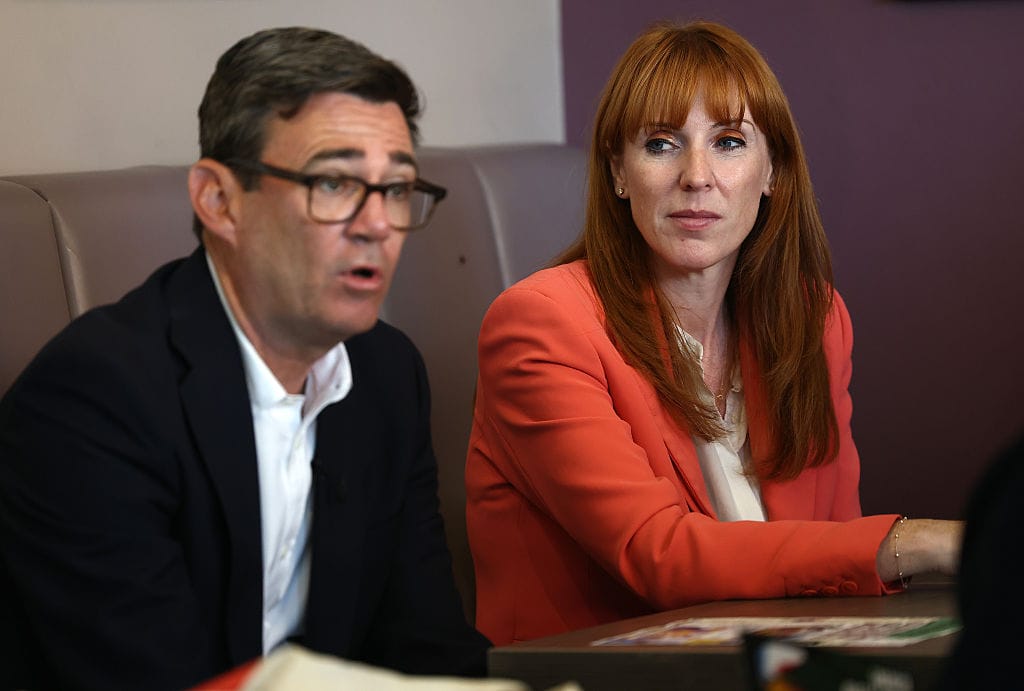
Angela Rayner, the Labour Party’s deputy leader, has received cash from Signum Global Advisors, a consultancy that arranges investment trips to conflict‑affected and politically unstable countries. Signum, founded by former UK diplomat Charles Myers, has organised trips to Syria, Ukraine and Venezuela, and has recently pledged a new excursion to Caracas. The firm has also donated £20,000 to Rayner and has hosted a series of private events that bring senior politicians and MPs into the same rooms as its paying clients.
Signum’s business model is to give investors “unique exposure to decision‑making at the most senior levels” in places where reconstruction work can be lucrative. In a TV interview Myers said a Venezuelan trip could generate up to $500 billion in infrastructure projects over ten years, citing the country’s oil reserves and the “massive opportunity” presented by a post‑conflict recovery. He described the firm’s clients as a “cabal of 55 investors” who travelled to Caracas in armoured cars and bodyguards, holding a two‑day conference that included a meeting with the interim president at the presidential palace.
The firm’s outreach extends beyond conflict zones. It has been cultivating ties to the incoming Labour government under Prime Minister Keir Starmer, with a particular focus on Angela Rayner, who is currently secretary of state for housing. Signum’s “Westminster Days” and private roundtables in London have drawn a growing number of Labour MPs, ministers and peers into the same rooms as its paying clients. Other Labour MPs who have participated in Signum events include Yuan Yang, Polly Billington and former City lobbyist‑turned‑MP Callum Anderson.
Signum’s activities are not subject to the UK’s statutory lobbying register, because the firm is not a consultant lobbyist. The register only records direct lobbying of ministers and permanent secretaries, not shadow ministers, backbenchers or opposition parties. As a result, the firm’s meetings with Labour MPs and its donations to politicians are not required to be disclosed publicly. The firm’s own website describes its services as a “policy and strategy firm” that provides “access to senior decision‑makers” and “investment opportunities” in frontier markets that are re‑integrating into the Western financial system.
In addition to Venezuela, Signum has recently taken investors to Greenland and is planning another trip to Caracas in November, citing the country’s “pivotal period of political and economic transition.” The firm has also discussed potential future trips to Cuba and Iran, which it says are “frontier markets” that offer significant returns for institutional investors.
The firm’s ties to the Labour Party have come under scrutiny. While Signum has donated money to Rayner and other MPs, the firm has declined to comment on the nature of those relationships. The Labour Party has not responded to openDemocracy’s request for clarification on whether Signum’s values align with those of the party.
The UK’s lax lobbying and transparency rules mean that the public has no right to know the companies on whose behalf Signum is effectively buying access when it donates cash to senior MPs and hosts them for lavish receptions. The firm’s strategy of blending investment promotion with political influence is typical of the “wild west” of lobbying and political advisory work, where firms need to be seen to have the level of access that prospective clients will pay for.
Signum’s next “invitation‑only” event, announced in March, will be held under the Chatham House Rule, meaning attendees can use what they hear but cannot identify who said it. The firm’s ongoing expansion into politically sensitive regions and its continued outreach to UK politicians raise questions about the intersection of private investment, conflict zones and political influence.
Comments (0)
No comments yet — be the first to weigh in.

Iran-US Tensions Escalate Amid Hormuz Strait Crisis – Live Updates
Iranian President Pezeshkian seeks diplomatic solutions with global leaders at SCO summit in Kyrgyzstan amid rising US tensions over Hormuz Strait.

Search continues for 18 passengers after ferry capsized in northern Cyprus
Search and rescue operations are continuing off the coast of Kyrenia in northern Cyprus after a passenger ferry capsized and sank on Sunday, leaving at least ei...

Swiss Man Arrested After Deadly Rave Shooting Kills Italian Woman
A 43-year-old Swiss suspect has been arrested after a shooting at a techno rave in Aarau left one woman dead and several others injured. Authorities continue their investigation.

England attack's 2005 comparisons fair - Trescothick
England’s new pace attack is drawing comparisons to the legendary Ashes-winning quartet of 2005, according to interim head coach Marcus Trescothick. The current...

Mumbai’s Vile Parle Cypher is giving unheard rappers a voice

Enrich and Ultimo impress

Karnataka CM Signals Review of 5% Park Land Amendment Bill in Assembly

