Angie Nixon Wins Florida Democratic Senate Primary: Grassroots vs Establishment
Florida progressive Angie Nixon defeats Alexander Vindman in a high-profile Democratic Senate primary. Learn about her grassroots campaign, policy priorities, and November challenge against Ashley Moody.
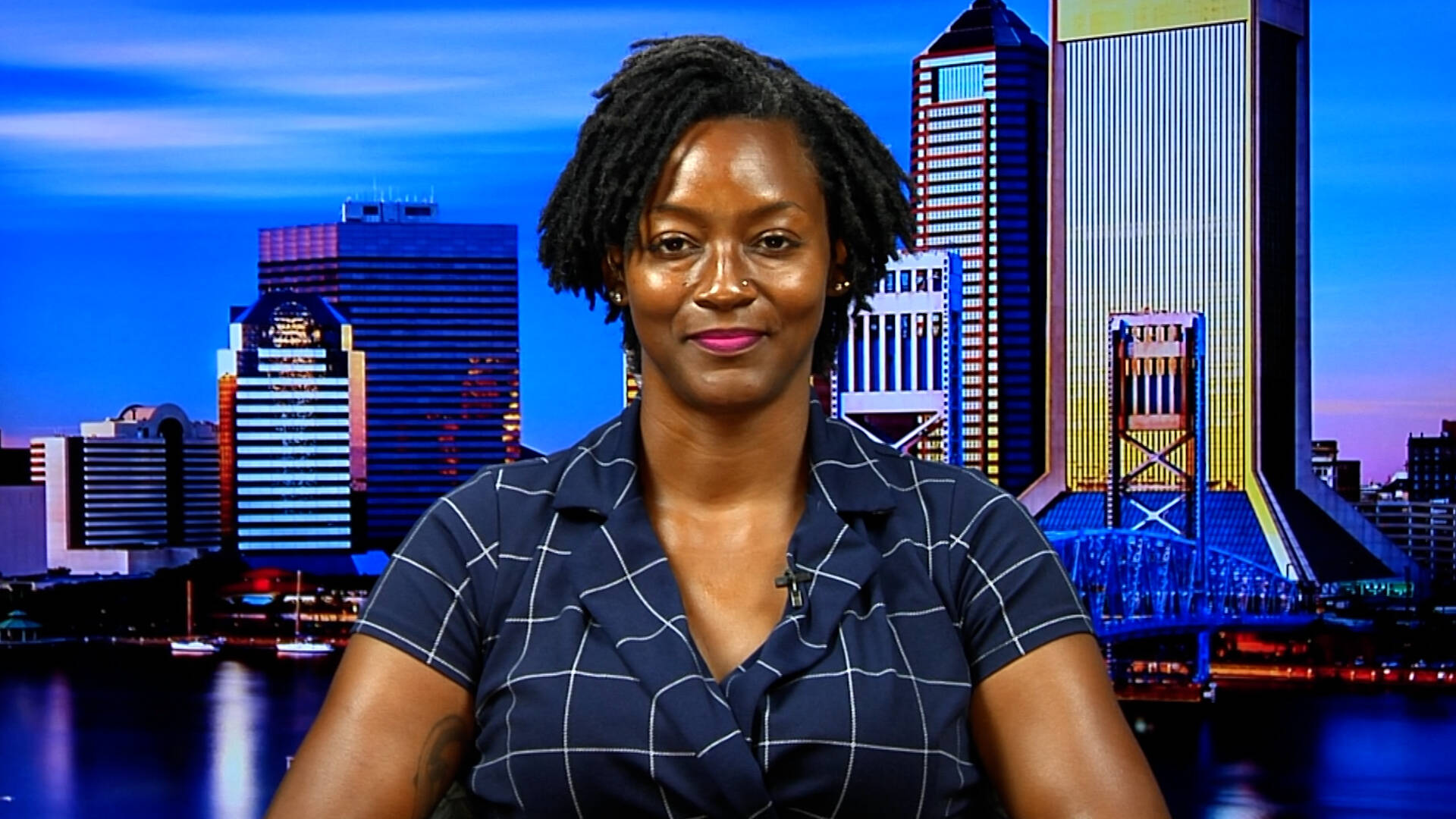
Angie Nixon, a progressive state representative from Jacksonville, secured the Florida Democratic nomination for U.S. Senate after a decisive victory over former Army intelligence officer Alexander Vindman in the primary held last week. Nixon won with a margin that surprised many, even though Vindman’s campaign raised more than sixteen times the money Nixon raised. In the November general election, Nixon will face incumbent Republican Senator Ashley Moody, who was appointed by Governor Ron DeSantis to fill the seat vacated by Marco Rubio when he accepted the role of U.S. secretary of state.
Nixon has served in the Florida House of Representatives since 2020 and became a national figure in 2022 when she led sit‑ins and protests inside the state capitol over a Republican‑backed redistricting plan. Her campaign has focused on expanding healthcare, childcare, education and tackling the state’s affordability crisis. In June, she joined the Democratic Socialists of America (DSA), making her the only DSA member in the Senate if elected.
Vindman, who testified during President Trump’s first impeachment trial, was backed by the Democratic establishment and received substantial financial support from corporate donors and political action committees. His campaign promised to bring a “centrist” voice to the Senate, but it struggled to connect with voters who were energized by Nixon’s grassroots approach.
The primary results were notable for the high turnout in traditionally Republican‑leaning districts, where Nixon’s message of “unbought and unbossed” resonated with working‑class voters. Analysts say the race highlighted the growing influence of progressive candidates who rely on volunteer networks and community organizing rather than large corporate donations.
Nixon’s strategy during the primary was built on decades of union and community organizing experience. She has worked statewide on minimum‑wage initiatives and automatic rights restoration for former felons, building a coalition of voters who feel underrepresented by the political elite. Her campaign’s volunteer base was key to mobilizing voters on Election Day, especially in suburban and urban areas of Florida.
Policy priorities for the Senate include restoring and expanding Affordable Care Act subsidies, pursuing universal healthcare, and addressing the state’s housing affordability crisis. Nixon also plans to champion universal childcare, arguing that investment in early education yields significant economic returns. She has called for reforms to the prison system, including ending for‑profit prisons, and for a more equitable justice system that protects communities from systemic bias.
If Nixon wins the November election, she will become the first DSA‑affiliated senator in U.S. history, adding a new voice to the Senate’s ideological spectrum. Her victory would signal a shift in Florida’s political dynamics, potentially challenging the dominance of the Republican Party in the state and providing a platform for progressive policies at the national level.
The upcoming general election will test Nixon’s ability to broaden her appeal beyond progressive voters. She will need to address Florida’s diverse electorate, including retirees, Hispanic voters, and suburban families who have traditionally leaned Republican. Her campaign has already begun outreach efforts in key swing counties, emphasizing her record on healthcare, education, and economic justice.
The race also underscores the broader national conversation about the role of money in politics. With Vindman’s campaign raising over $5 million, compared to Nixon’s approximately $300,000, the Florida primary has become a case study in the effectiveness of grassroots mobilization versus high‑budget campaigns.
As Florida heads into the November election, voters will decide whether a progressive, DSA‑aligned candidate can unseat a well‑funded, establishment‑backed opponent. The outcome will have implications not only for Florida’s representation in Washington but also for the future trajectory of the Democratic Party in a state that has voted Republican in every presidential election since 2012.
#AngieNixon #FloridaSenate #DSA #AshleyMoody #RonDeSantis #MarcoRubio #DemocraticSocialists
Comments (0)
No comments yet — be the first to weigh in.

Middlesbrough's Crime Crisis: Decades of Failed Policies Unleash Chaos
Former Middlesbrough mayor Andy Preston blames decades of lenient crime policies for the town's recent surge in gang violence and lawlessness.

Google Maps Renames Lake Ontario to 'Lake America' Following Trump Order
Google Maps now displays 'Lake America' in the US, replacing 'Lake Ontario' after Trump's executive order amid trade tensions with Canada. Canadians still see the original name.

Pentagon Warns Pentagon Chiefs: Iran War Unsustainable, Threatens U.S. Readiness
Classified assessment reveals Pentagon chiefs warn Defense Secretary Pete Hegseth that the Iran war is unsustainable and drains U.S. military resources and readiness.

Mike Rogers Proposes $50 Copays for Routine Health Screenings, Critics Warn of Risks
Former Congressman Mike Rogers suggests $50 copays for routine screenings, sparking debate over healthcare costs and access. Critics highlight potential risks.

Mumbai’s Vile Parle Cypher is giving unheard rappers a voice

Enrich and Ultimo impress

Karnataka CM Signals Review of 5% Park Land Amendment Bill in Assembly

