Are 'Stealth Crawlers' a Threat to the Open Web? Debunking AI Scraping Fears
Explore why proposed laws targeting anonymous web crawlers threaten open internet access, privacy, and critical research like journalism and cybersecurity.

New York’s pending legislation targeting so-called “stealth crawlers” would impose sweeping restrictions on automated access to the open web, threatening investigative journalism, academic research, and cybersecurity monitoring, according to the Electronic Frontier Foundation (EFF). The NY Stealth Crawler Protection Act, already passed by the state legislature and awaiting Governor Kathy Hochul’s signature, would criminalize anonymous web scraping on news websites and empower publishers to unmask data collectors through court orders—regardless of whether any legal violation occurred. Similar proposals are expected to emerge in other states and possibly at the federal level, raising concerns about the future of public-interest data gathering.
“Stealth crawlers” are automated tools designed to collect publicly available web data while concealing the operator’s identity. Far from malicious, these systems enable critical public-service work, including digital investigations by nonprofit newsrooms, academic studies, and cybersecurity defenses. Organizations like The Markup and ProPublica have used anonymous crawling to expose algorithmic bias in search results and price steering by major retailers, revealing how platforms like Amazon manipulate consumer experiences. Privacy tools such as EFF’s Privacy Badger also rely on anonymous crawling to detect and block hidden trackers without compromising individual privacy.
Publishers and their allies argue that unrestricted automated access strains servers and risks revenue loss due to AI-driven data harvesting. While these concerns are valid, the proposed solutions—particularly legislation that mandates identification of all web scrapers—pose a far greater threat to transparency and accountability. The NY bill would allow any news site to obtain a court order to unmask an anonymous crawler even without evidence of wrongdoing, effectively granting publishers veto power over lawful public data access. This could enable blocking not only abusive scrapers but also researchers, journalists, and activists who scrutinize powerful institutions.
Critics point out that the real issue is not anonymity but the volume and behavior of automated access. Aggressive or poorly designed crawlers can overload servers, degrading site performance for all users. However, unmasking crawlers does not address this problem; targeted technical measures, such as rate limiting or bot detection systems, offer more effective and proportionate solutions. Broad restrictions on anonymous crawling could chill essential public-interest work, including election monitoring, disaster response coordination, and whistleblower investigations.
The EFF warns that laws modeled on the New York bill risk undermining the core principles of the open web by prioritizing publisher control over public access. Without careful limits, such legislation could extend beyond AI-related scraping to broadly restrict any automated interaction with public web content, eroding the foundational openness that has driven innovation and accountability online.
#NYCrawlerBill #OpenWeb #DigitalRights #EFF #InvestigativeJournalism #WebScraping #DataPrivacy #NYLegislature
Comments (0)
No comments yet — be the first to weigh in.

Energy biz SSE smacked around in court by a guy and AI
An Oxford doctoral student has defeated British energy provider SSE Energy Supply in court after utilizing artificial intelligence models to build his legal def...
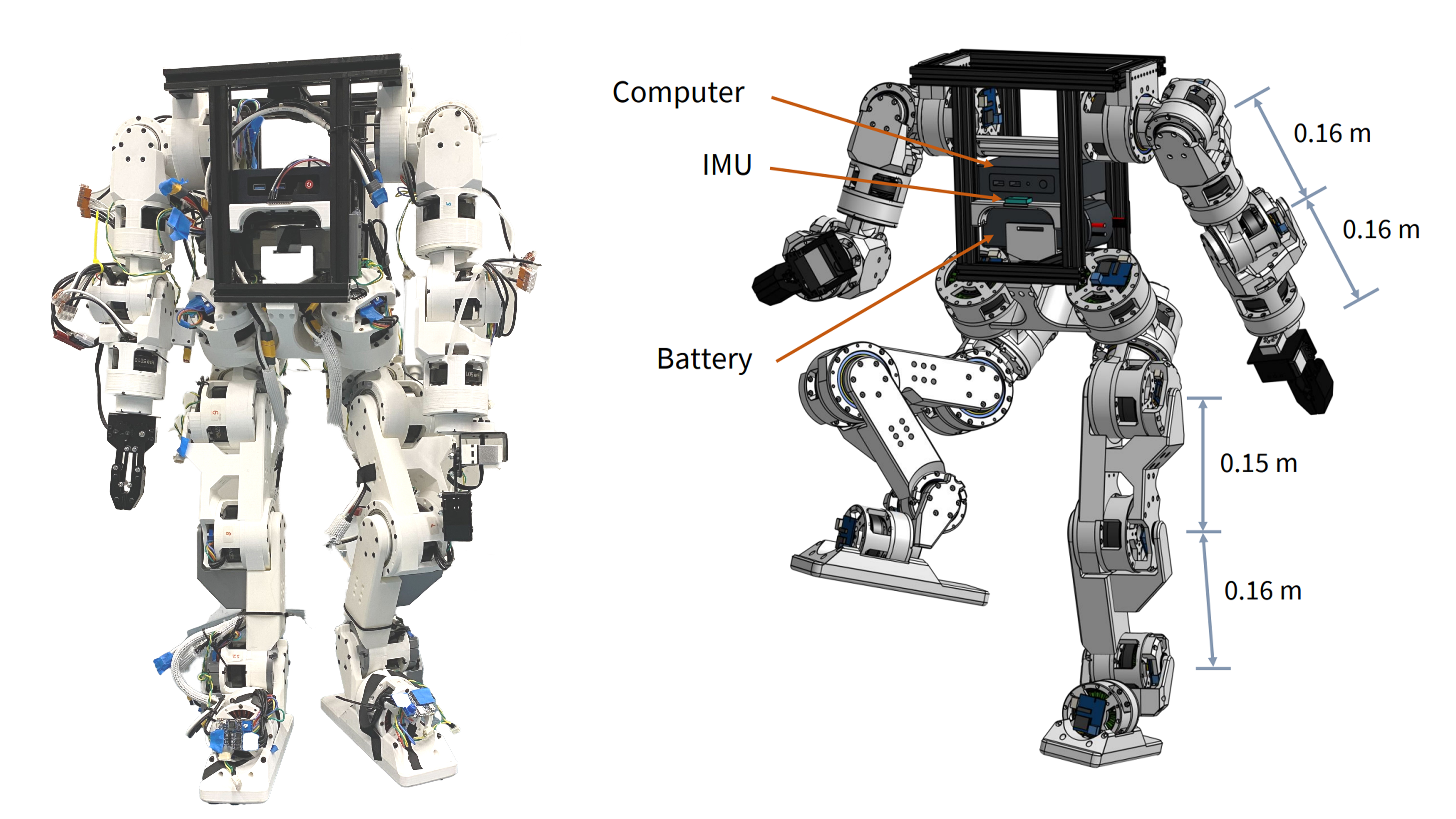
Berkeley Humanoid Lite: Affordable Open-Source Robot with DIY Actuators
Explore the Berkeley Humanoid Lite, a budget-friendly open-source robot featuring 3D-printed actuators under $5,000 USD. Learn how its modular design benefits DIY projects.

Woodstove Safety Monitor: Oru System Alerts Users to Temperature Fluctuations
Discover how the Oru woodstove assistant helps prevent dangerous chimney fires by monitoring exhaust gas temperatures and alerting users to temperature changes.
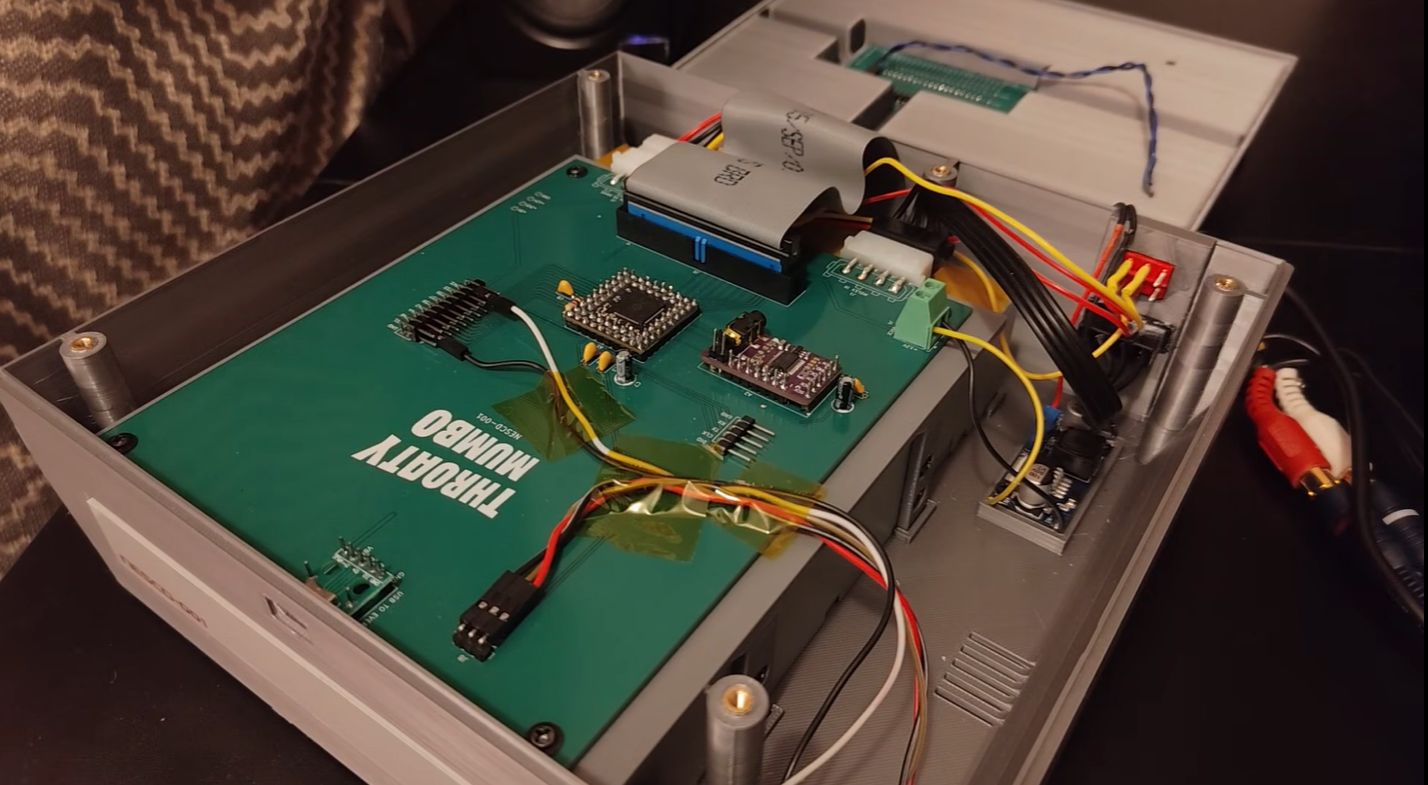
NES CD Add-On Revives 1980s Gaming with Optical Storage
Explore how a DIY project integrates a CD drive with the NES using an RP2350B microcontroller and Everdrive N8 Pro for expanded storage and audio playback.

Mumbai’s Vile Parle Cypher is giving unheard rappers a voice

Enrich and Ultimo impress

Karnataka CM Signals Review of 5% Park Land Amendment Bill in Assembly

