Bullet's Journey: From Shark to Human Life, a Metaphor for Violence
A poetic exploration of how a bullet transforms from a shark’s mouth to a human death, illustrating violence’s destructive cycle and its emotional impact on families.
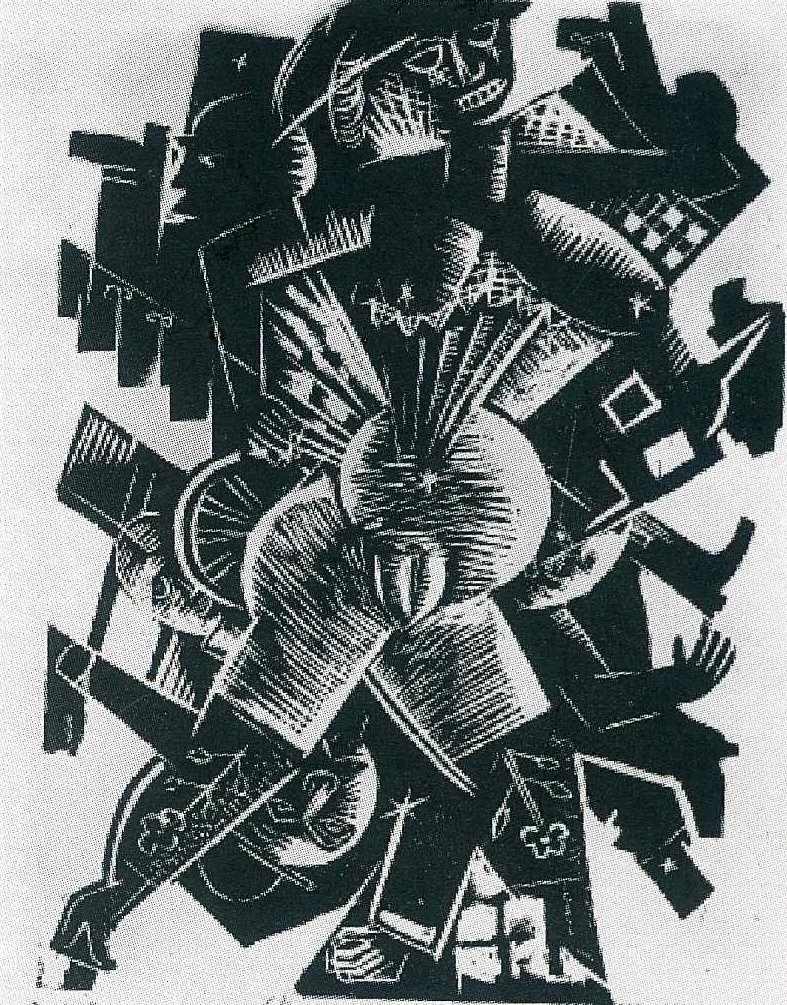
Bullet Wounds Carry Lingering Consequences, Poet Reflects on Violence
The moment a bullet enters a body, it initiates a violent transformation—stripping away layers of skin and fat, carving space within flesh and bone. In a recent poetic reflection published by Guernica Magazine, the author contemplates the aftermath of such an act, framing it as an irreversible intrusion that leaves deep scars, both physical and psychological.
The poem describes the bullet’s impact on a victim, emphasizing the abrupt loss of protection and the body’s vulnerability. It personifies the bullet as something that speaks, demanding attention: *“Don’t you know,” it says. Hide, hide, hide.* The imagery suggests an instinctive, yet futile, attempt to shield oneself from harm.
The text also references the origins of violence—*“the barrel of a foreign land”*—implying that bullets are often manufactured in one country, deployed in another, and inflict suffering far from their point of origin. The barrel of a gun, the poem notes, is *“only wide enough to allow loss,”* a stark acknowledgment of how easily life can be taken.
Language itself is depicted as a casualty in this cycle of violence. Words, the author suggests, can be reduced to ash, unable to prevent the spread of destruction. Small bodies—likely children—are particularly affected, forced to endure the consequences of conflict in spaces meant for safety.
While the original piece is poetic rather than strictly factual, its themes align with documented realities of armed violence, including civilian casualties, the transnational flow of weapons, and the long-term trauma inflicted on survivors and communities. The imagery underscores how bullets do not merely injure—they reshape lives, leaving behind not just wounds but also silence, displacement, and generational pain.
The author does not specify a particular conflict or event, leaving the poem open to broader interpretations about the nature of violence itself. What remains clear is the haunting portrayal of how a single bullet can alter lives irrevocably, transforming hope into ash and forcing entire communities to reckon with loss.
Comments (0)
No comments yet — be the first to weigh in.
Yayoi Kusama’s Death Signals a Kind Fall for Art and Humanity
Hyperallergic reflects on the passing of Yayoi Kusama, Dolly Parton, and Sliman Mansour, while exploring loneliness, AI, and art's role in a changing world.

Tessa Hulls on Her Graphic Memoir 'Feeding Ghosts' on Longform Podcast #571
Writer and artist Tessa Hulls discusses her graphic memoir Feeding Ghosts and the project she spent her life avoiding, on Longform Podcast #571.

Derek Thompson on Longform Podcast: Solving Life's Mysteries Through Writing
Derek Thompson, Atlantic staff writer and Plain English host, discusses his career as a 'dilettante' and love for uncovering mysteries in his Longform Podcast interview.
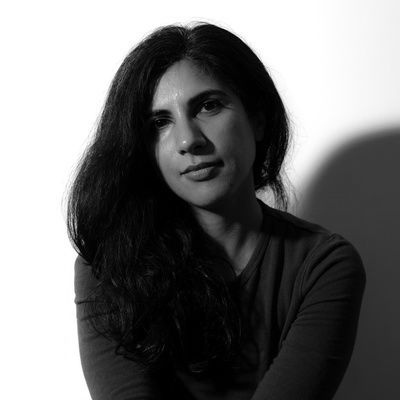
Rozina Ali on Longform Podcast #573 Discussing Her Career and Reporting
Rozina Ali, a New York Times Magazine writer and National Magazine Award winner, joins the Longform Podcast to discuss her career and latest reporting.

Mumbai’s Vile Parle Cypher is giving unheard rappers a voice

Enrich and Ultimo impress

Karnataka CM Signals Review of 5% Park Land Amendment Bill in Assembly

