California DROP Tool Lets Residents Delete Data Broker Info Easily
California residents can now use the DROP tool to request data brokers delete their personal information and opt out of data sales, enhancing privacy protection under the Delete Act.
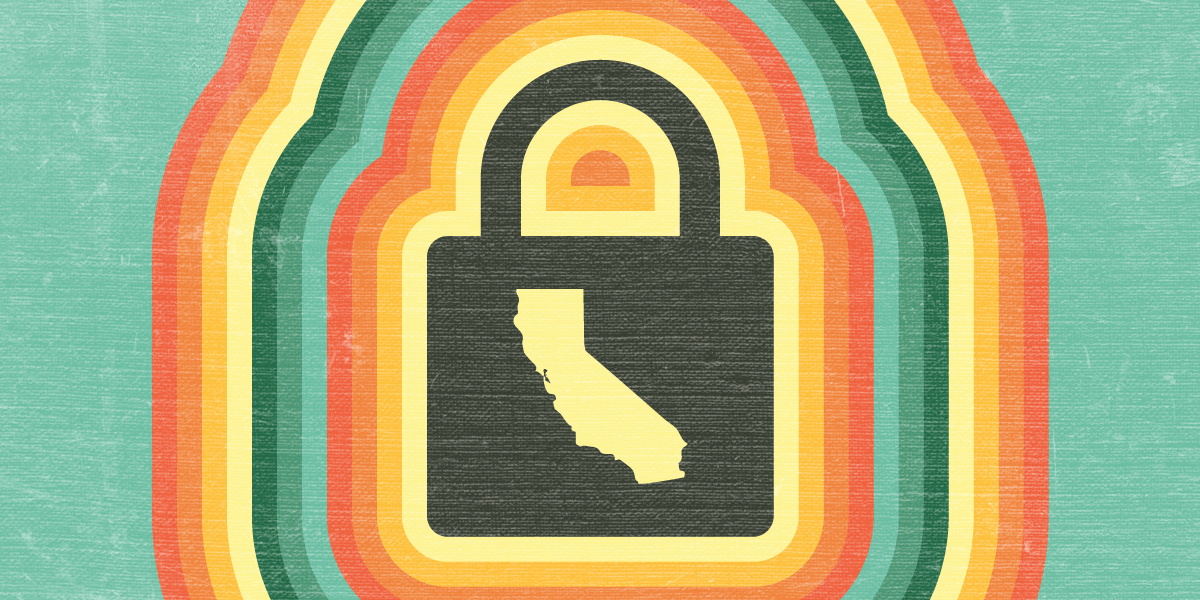
California residents now have a streamlined way to protect their personal data with the state’s Delete Request and Opt-Out Platform, or DROP. Introduced under the California Delete Act, DROP allows residents to submit a single request to have their information deleted from the databases of all registered data brokers in the state. The tool, administered by the California Privacy Protection Agency, went live on January 1, 2024, with full compliance required by data brokers starting August 1.
A DROP request automatically sends opt-out and deletion instructions to 614 registered data brokers—companies that collect, repackaged, and sell personal information. Once submitted, brokers have 45 days to process the request. By filing now, California residents can be among the first to use the system, gaining early control over their data before the deadline.
The Delete Act was championed by the Electronic Frontier Foundation (EFF), which advocated for making privacy rights more accessible. Prior to DROP, residents had to submit individual requests to each data broker—a time-consuming and often confusing process. Many people didn’t even know which brokers held their data. DROP centralizes this process by connecting directly to the state’s data broker registry.
Filing a DROP request can help reduce unwanted contact such as spam emails and telemarketing calls, since data brokers are a common source of this information. It also lowers cybersecurity risks by minimizing the number of companies holding sensitive data that could be exposed in a breach. Additionally, the request helps individuals regain some control over how their personal information is used, especially when it comes to sensitive inferences such as health status or political views.
The California Privacy Protection Agency has clarified that a DROP request typically covers identifiers like Social Security numbers, precise geolocation, browsing history, email addresses, and phone numbers. It can also request deletion of inferred data—such as assumptions about health conditions. However, certain publicly available information, like real estate or vehicle ownership records, cannot be removed.
To file a request, residents must provide personal details such as name, address, and email for verification. While this may seem ironic, the agency is legally bound not to sell or misuse this data. Residents can also file on behalf of others, such as elderly relatives. After submission, filers receive a DROP ID to track their request’s status.
It’s important to note that a single DROP request isn’t permanent. Data brokers may continue collecting new data unless restricted by stronger laws. The opt-out from sale is likely to remain in effect, but brokers can still gather information for profiling purposes. New brokers may register after a request is filed, and DROP doesn’t cover non-registered entities like major tech platforms.
For those outside California, DROP isn’t available, but similar laws have been proposed in other states. Meanwhile, EFF recommends using its Opt-Out October guide to manage digital privacy nationwide.
#CaliforniaPrivacy #DROPOptOut #DataBroker #DeleteAct #EFF #PrivacyRights #DigitalPrivacy #CAPrivacy
Comments (0)
No comments yet — be the first to weigh in.

Energy biz SSE smacked around in court by a guy and AI
An Oxford doctoral student has defeated British energy provider SSE Energy Supply in court after utilizing artificial intelligence models to build his legal def...
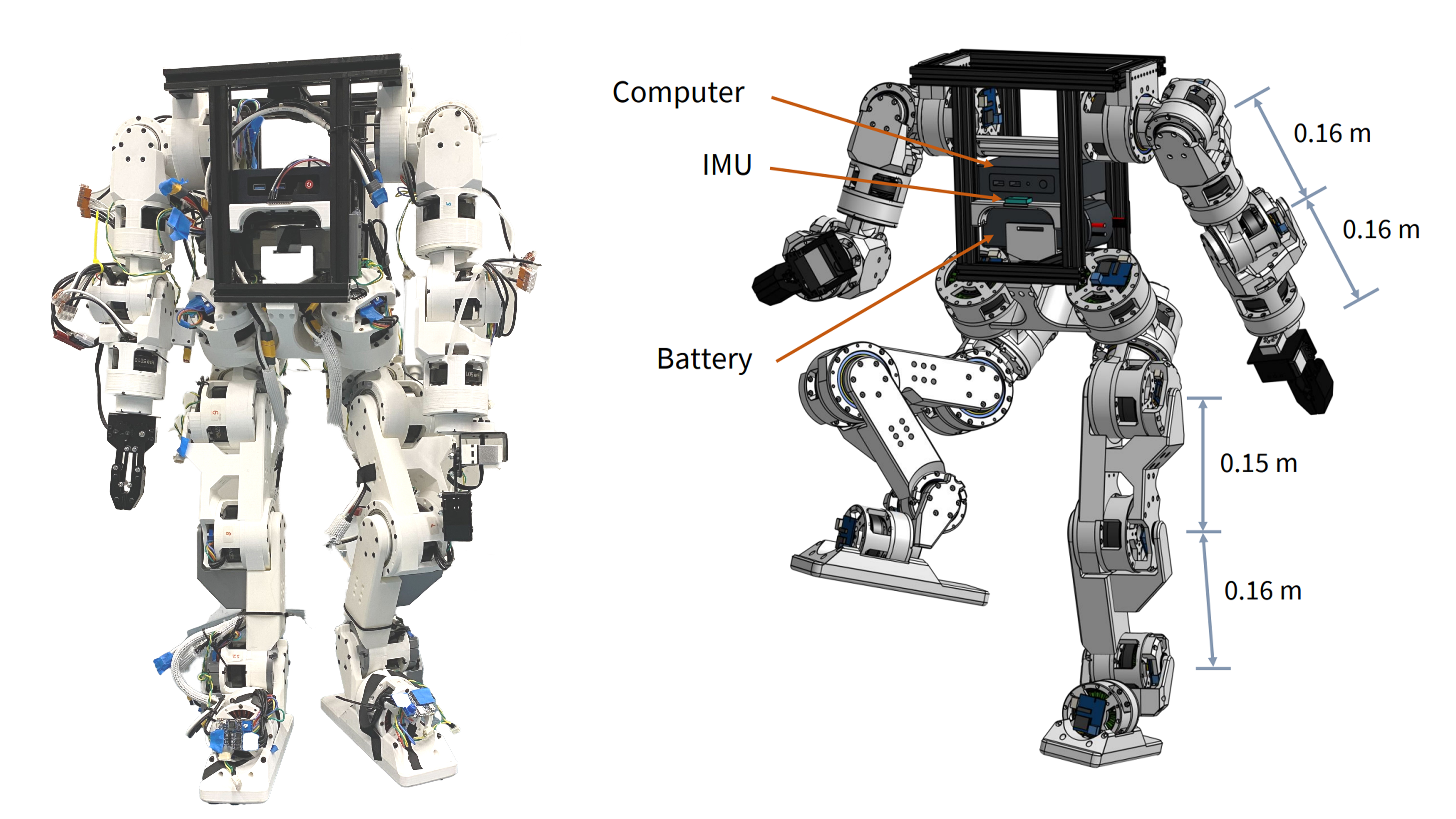
Berkeley Humanoid Lite: Affordable Open-Source Robot with DIY Actuators
Explore the Berkeley Humanoid Lite, a budget-friendly open-source robot featuring 3D-printed actuators under $5,000 USD. Learn how its modular design benefits DIY projects.

Woodstove Safety Monitor: Oru System Alerts Users to Temperature Fluctuations
Discover how the Oru woodstove assistant helps prevent dangerous chimney fires by monitoring exhaust gas temperatures and alerting users to temperature changes.
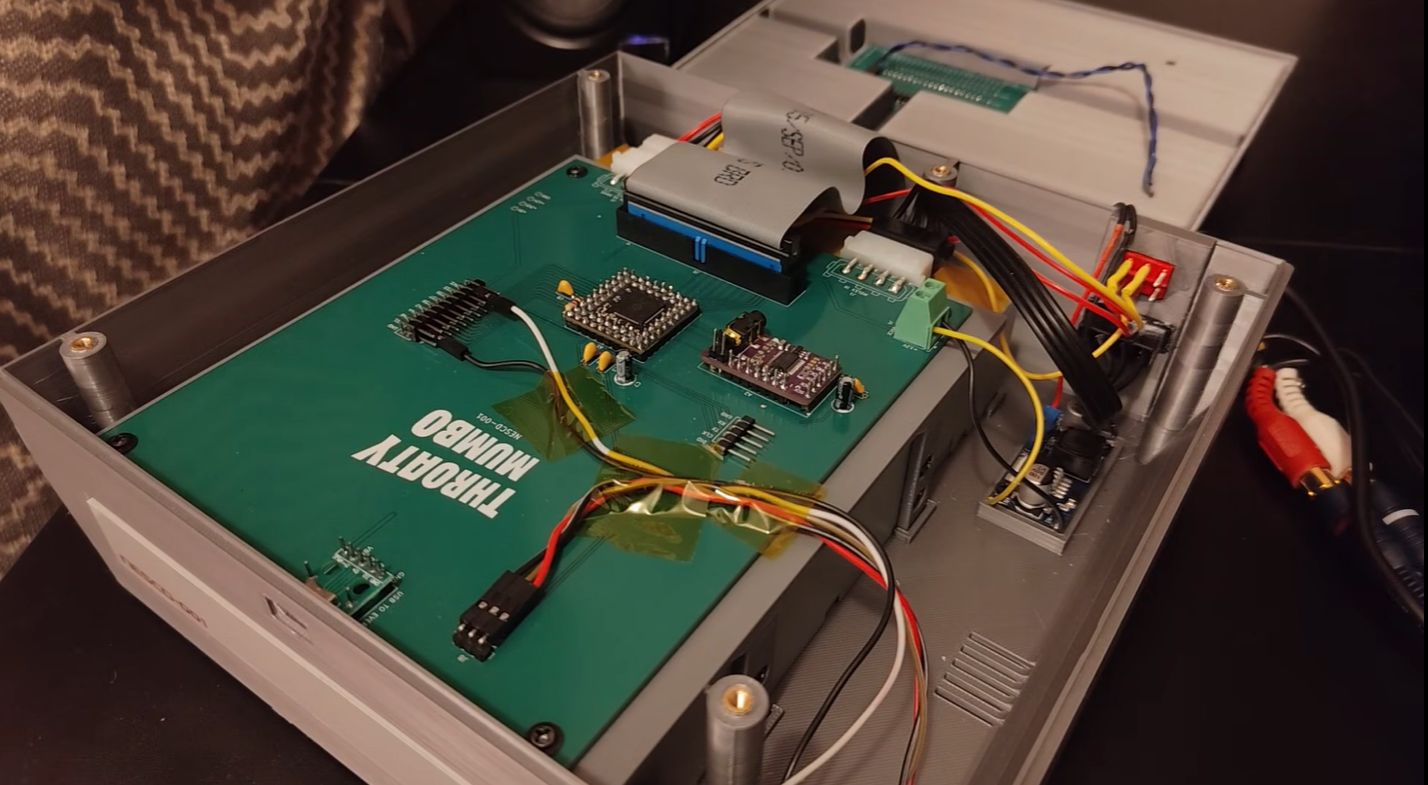
NES CD Add-On Revives 1980s Gaming with Optical Storage
Explore how a DIY project integrates a CD drive with the NES using an RP2350B microcontroller and Everdrive N8 Pro for expanded storage and audio playback.

Mumbai’s Vile Parle Cypher is giving unheard rappers a voice

Enrich and Ultimo impress

Karnataka CM Signals Review of 5% Park Land Amendment Bill in Assembly

