California Moves to Ban Surveillance Pricing, EFF Urges Support
California considers AB 2654 to prohibit surveillance pricing, where companies charge different prices based on harvested personal data. Learn why EFF supports this bill and its impact on consumers.

San Francisco’s Electronic Frontier Foundation (EFF) is urging the city’s Board of Supervisors to advance legislation that would prohibit “surveillance pricing,” a practice in which companies charge different customers different prices for the same product based on personal data collected through electronic surveillance.
The proposal, Assembly Bill 2654 authored by Assemblymember Chris Ward, aims to ban retailers from adjusting prices according to personally identifiable information such as browsing history, purchase patterns, or data acquired from third parties. The EFF, a digital rights organization headquartered in San Francisco, has voiced strong support for the bill, emphasizing that it protects consumers from price discrimination rooted in extensive data harvesting.
Despite initial momentum, the San Francisco Board of Supervisors has delayed a vote on a resolution supporting A.B. 2654 after receiving criticism from the San Francisco Chamber of Commerce. In response, the EFF sent a letter to the supervisors urging them to move forward with the resolution, which aligns with the broader goal of curbing exploitative data-driven pricing.
The Federal Trade Commission (FTC) has previously highlighted the risks of surveillance pricing. In a 2023 report, the agency found that companies may target consumers with higher prices based on profiling—for example, showing higher-priced baby thermometers to new parents during late-night searches. Such practices were described as particularly harmful during times of urgent need.
The EFF argues that privacy is a fundamental human right and should not be treated as a negotiable factor in pricing. The organization also opposes “pay-for-privacy” schemes, where consumers who refuse data collection face higher prices. Surveillance pricing, it contends, represents another form of this coercive model, putting vulnerable consumers at a disadvantage.
Critics of the bill claim it could disrupt legitimate loyalty and discount programs. However, A.B. 2654 includes clear exemptions, ensuring that voluntary discounts like senior movie tickets remain unaffected. The bill defines surveillance pricing as any customized price based on personally identifiable information collected through electronic surveillance, including data from third-party sources.
The EFF draws a parallel between surveillance pricing and online behavioral advertising, both of which incentivize the mass collection and monetization of personal data. By enabling companies to manipulate prices based on profiles, such practices limit consumer choice and reinforce exploitative data practices.
As inflation continues to strain household budgets, the EFF warns that surveillance pricing disproportionately harms lower-income and less tech-savvy consumers, who are often profiled inaccurately. The organization maintains that the only fair pricing model is one that does not rely on the exploitation of personal data.
In its letter to the Board of Supervisors, the EFF emphasized that A.B. 2654 provides clear guidance for businesses and does not threaten legitimate discount programs. The bill’s passage would send a strong message that San Francisco stands against the unchecked monetization of consumer data.
#SurveillancePricing #SanFrancisco #DigitalRights #ConsumerProtection #AB2654 #DataPrivacy #EFF #PrivacyRights
Comments (0)
No comments yet — be the first to weigh in.

Energy biz SSE smacked around in court by a guy and AI
An Oxford doctoral student has defeated British energy provider SSE Energy Supply in court after utilizing artificial intelligence models to build his legal def...
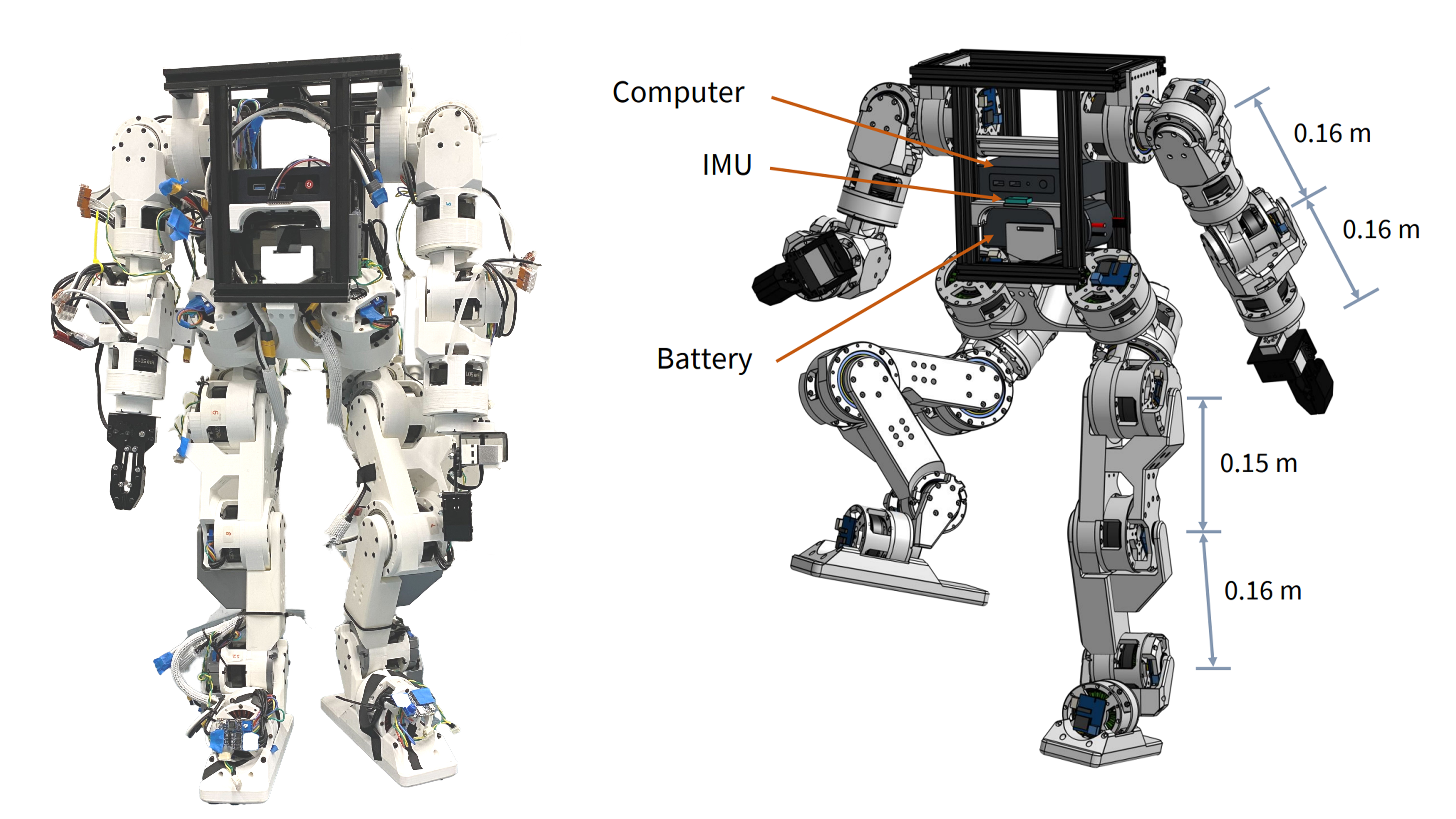
Berkeley Humanoid Lite: Affordable Open-Source Robot with DIY Actuators
Explore the Berkeley Humanoid Lite, a budget-friendly open-source robot featuring 3D-printed actuators under $5,000 USD. Learn how its modular design benefits DIY projects.
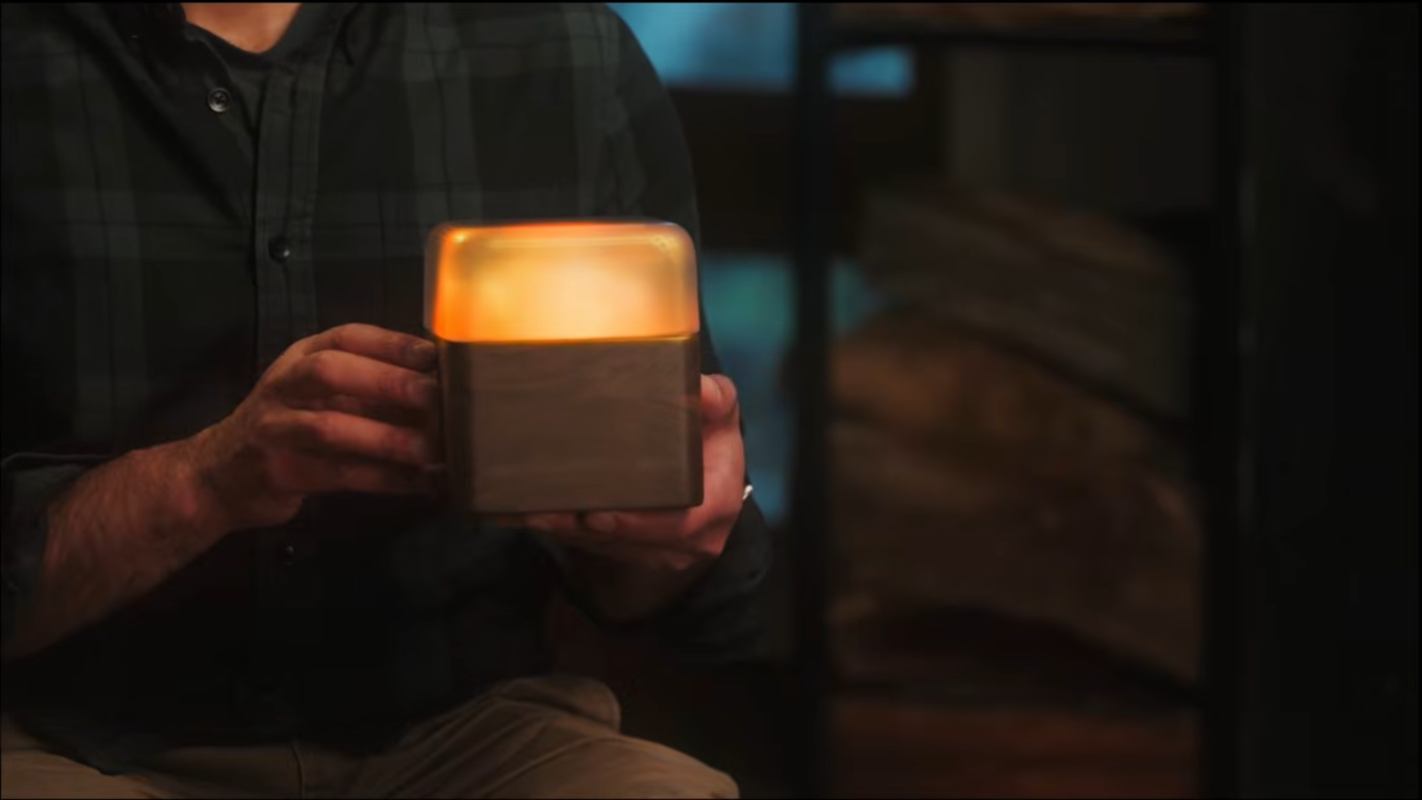
Woodstove Safety Monitor: Oru System Alerts Users to Temperature Fluctuations
Discover how the Oru woodstove assistant helps prevent dangerous chimney fires by monitoring exhaust gas temperatures and alerting users to temperature changes.
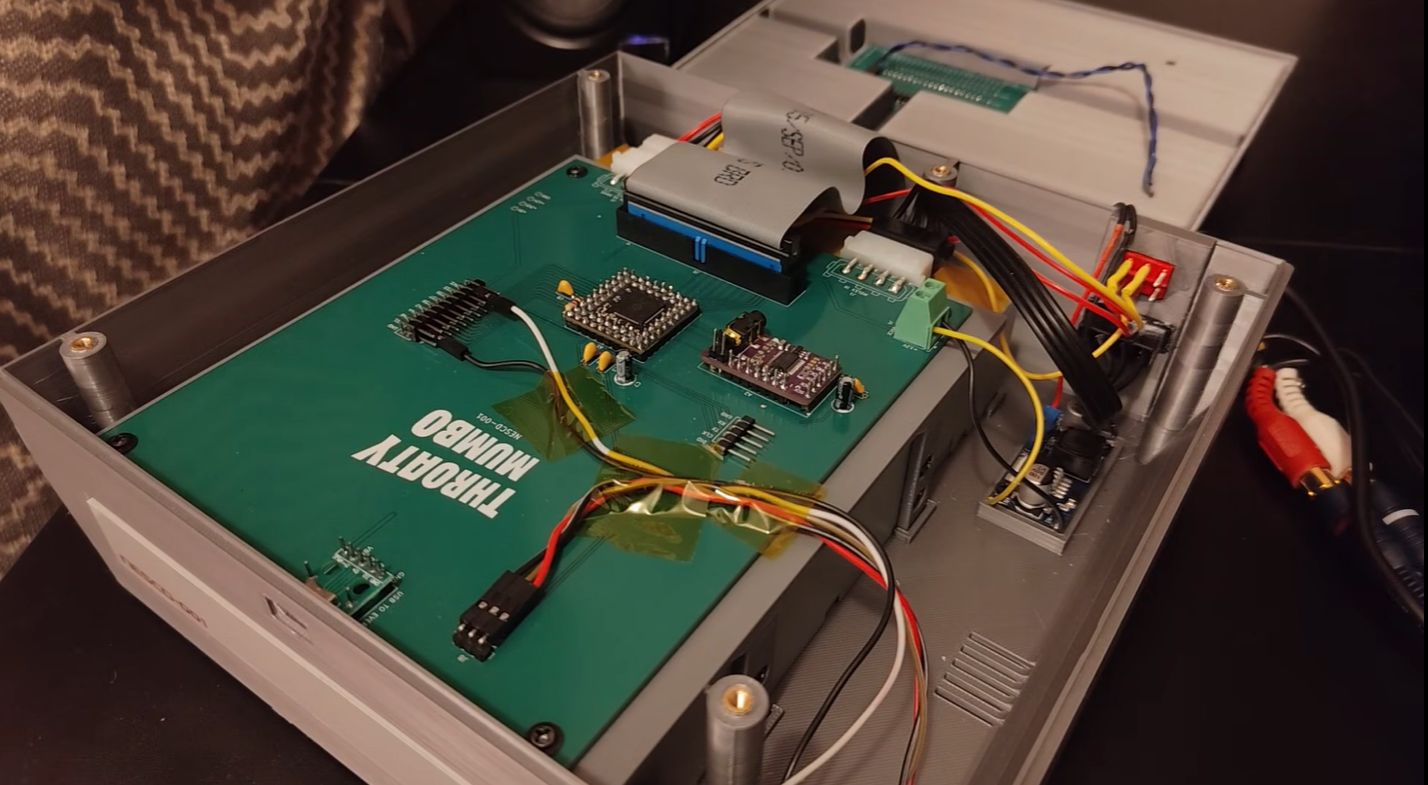
NES CD Add-On Revives 1980s Gaming with Optical Storage
Explore how a DIY project integrates a CD drive with the NES using an RP2350B microcontroller and Everdrive N8 Pro for expanded storage and audio playback.

Mumbai’s Vile Parle Cypher is giving unheard rappers a voice

Enrich and Ultimo impress

Karnataka CM Signals Review of 5% Park Land Amendment Bill in Assembly

