California Steps Back From Dangerous Expansion of its Age-Gating Law

The California Legislature has scaled back a controversial expansion of the state’s age-gating law, removing provisions that critics warned would further threaten online privacy, security and free expression. Assembly Bill 1856, authored by Assemblymember Buffy Wicks, now proceeds without language that would have applied age-based restrictions to web browsers and websites. The move follows sustained criticism from digital rights advocates, including the Electronic Frontier Foundation (EFF), which had argued the expanded framework would lead to widespread age verification, invasive data collection and potential censorship before the original law even takes effect.
A.B. 1856 amends A.B. 1043, a 2025 California law signed in 2025 and set to take effect in January 2027. A.B. 1043 requires operating systems and app stores to collect users’ ages, categorize them into age brackets and block minors from accessing lawful content or services based on those categories. While the law does not explicitly mandate age verification, EFF warns the financial penalties—up to $7,500 per affected child—will pressure platforms to verify ages through ID checks, biometric scans or extensive data collection. Such measures risk data breaches, identity theft and unnecessary barriers to online participation for both adults and youth.
EFF has long opposed A.B. 1043, calling it unconstitutional and a threat to anonymity and digital rights. However, the organization welcomed recent changes to A.B. 1856, including an earlier amendment that exempts open-source operating systems from certain provisions. With these revisions, EFF has withdrawn its opposition to the bill. The foundation praised Assemblymember Wicks and legislative staff for addressing concerns raised by advocates, developers and privacy experts about the law’s potential harm to open-source development and broader internet access.
Despite these improvements, EFF continues to warn that A.B. 1043 remains a dangerous precedent. The law is part of a growing national trend in which states and federal lawmakers push for age verification systems that require users to surrender sensitive personal data. EFF argues that once such data is collected, it becomes a target for hackers, corporate misuse or government overreach. The organization maintains that no one should be forced to verify their age simply to use the internet, emphasizing that age-gating systems fundamentally undermine online privacy and free expression.
Advocates encourage Californians and internet users nationwide to stay informed and take action against expansive age-gating measures. EFF provides resources to help users understand their digital rights, challenge harmful policies and support alternative approaches to online safety that do not rely on invasive data collection.
#CaliforniaTech #DigitalRights #AgeVerification #AB1043 #AB1856 #EFF #OnlinePrivacy #FreeExpression
Comments (0)
No comments yet — be the first to weigh in.

Energy biz SSE smacked around in court by a guy and AI
An Oxford doctoral student has defeated British energy provider SSE Energy Supply in court after utilizing artificial intelligence models to build his legal def...
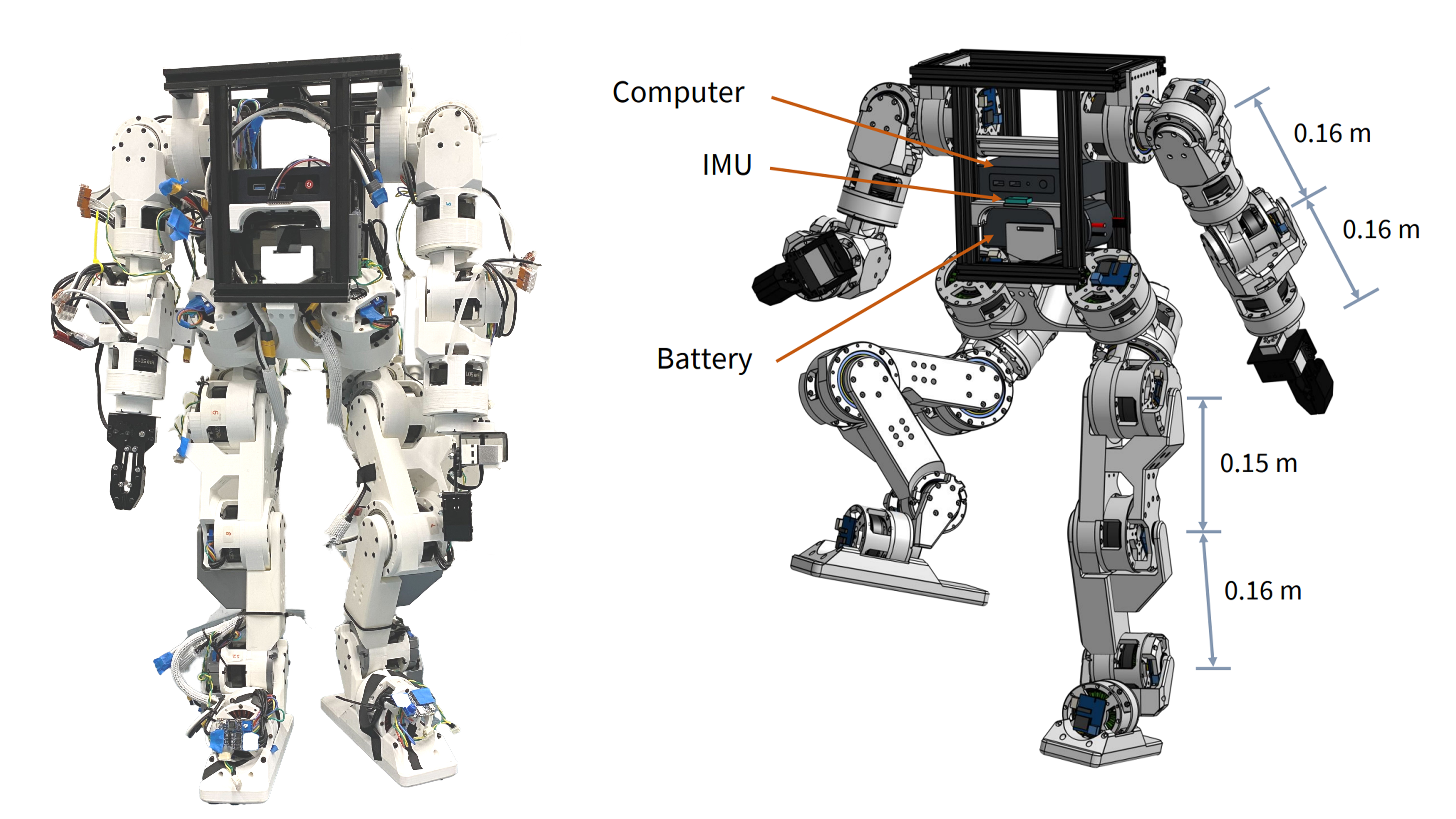
Berkeley Humanoid Lite: Affordable Open-Source Robot with DIY Actuators
Explore the Berkeley Humanoid Lite, a budget-friendly open-source robot featuring 3D-printed actuators under $5,000 USD. Learn how its modular design benefits DIY projects.

Woodstove Safety Monitor: Oru System Alerts Users to Temperature Fluctuations
Discover how the Oru woodstove assistant helps prevent dangerous chimney fires by monitoring exhaust gas temperatures and alerting users to temperature changes.

NES CD Add-On Revives 1980s Gaming with Optical Storage
Explore how a DIY project integrates a CD drive with the NES using an RP2350B microcontroller and Everdrive N8 Pro for expanded storage and audio playback.

Mumbai’s Vile Parle Cypher is giving unheard rappers a voice

Enrich and Ultimo impress

Karnataka CM Signals Review of 5% Park Land Amendment Bill in Assembly

