China's 15th Five-Year Plan for Coal: Key Implications for Climate Action & Energy Transition
China's 15th Five-Year Plan for coal outlines its role in energy security and climate goals. Analysts weigh in on its implications for peaking emissions and the energy transition by 2030.
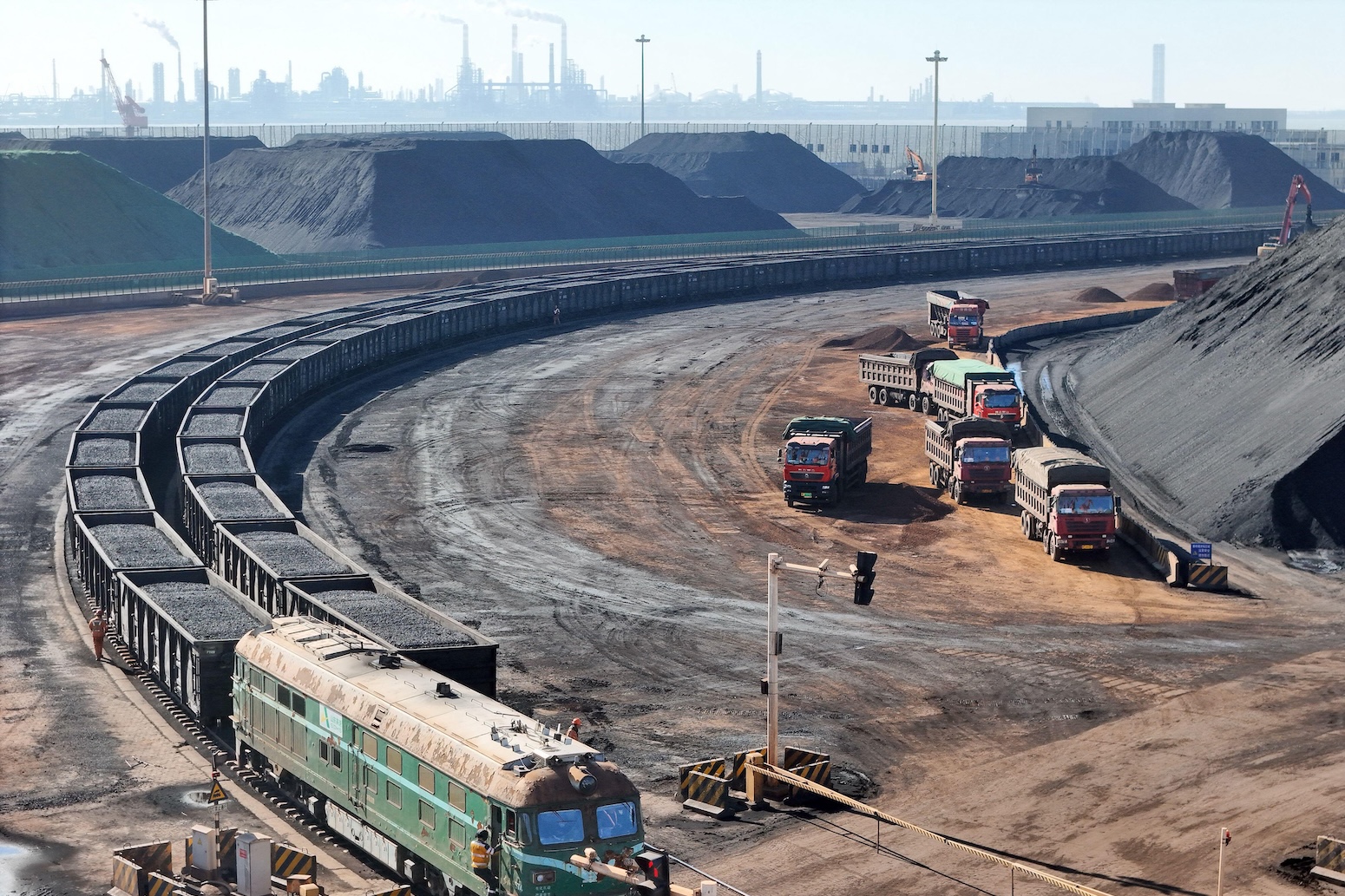
China’s newly released 15th Five-Year Plan for the coal industry highlights the fuel’s continued central role in its energy strategy while acknowledging the need to address emissions ahead of its carbon-peaking pledge. The plan, issued by the National Development and Reform Commission (NDRC) and the National Energy Administration (NEA) on August 10, outlines priorities for coal from 2026 to 2030—the final five-year stretch before China aims to cap its CO2 emissions before 2030.
Unlike earlier iterations, the plan does not set a fixed year for coal consumption to peak, instead stating that use should peak within this period. It emphasizes the "green and low-carbon transition" of the coal sector, methane emissions control, and "clean and efficient" coal utilization. However, analysts say the document reinforces coal’s status as a stable, affordable energy source amid global energy volatility, particularly stemming from conflicts in the Middle East.
The plan frames coal as a "foundational source of energy" critical to national economic stability, energy security, and livelihoods. It signals continuity toward balancing energy security with decarbonization, according to Kevin Tu, non-resident fellow at Columbia University’s Center on Global Energy Policy. The plan responds to concerns raised in state media, including People’s Daily, which cited energy market instability due to the Middle East conflict and quoted NEA head Wang Hongzhi emphasizing coal’s role in stabilizing supply.
Despite rising renewable energy capacity—non-fossil sources made up over half of China’s power mix in 2025—coal remains pivotal. In the first half of 2026, coal accounted for less than 50% of power generation and 51.4% of total energy consumption. The plan reaffirms China’s goal to establish at least 100 million metric tons of annual coal reserve production capacity by 2030, down from a 2024 target of 300 million tons.
The document avoids setting hard production limits, unlike previous five-year plans, and instead focuses on strengthening coal’s role as a “bottom-line guarantee” in the energy system. It also promotes diversification into clean energy and chemicals as coal use peaks. Analysts note the absence of a 2027 peak target is notable but not definitive, with timing likely influenced by electricity demand, renewable growth, industrial activity, and market conditions.
The plan reinforces coal-supply security bases in northern provinces including Shanxi, Inner Mongolia, Shaanxi, and Xinjiang, which are expected to supply over 80% of China’s coal by 2030. While the plan is sector-specific, it operates within the broader 15th Five-Year Plan framework, alongside climate and energy transition policies.
#ChinaEnergy #CoalPolicy #FiveYearPlan #EnergyTransition #CarbonPeak #NEA #NDRC #ClimateGoals
Comments (0)
No comments yet — be the first to weigh in.

Bentley Torcal: First All-Electric SUV Unveiling & Price Details
Bentley Motors will unveil its first all-electric SUV, the Torcal, on September 23. Discover pricing, features, and how it compares to competitors in the luxury EV market.

How King Harald V of Norway quietly led the world in clean tech adoption
King Harald V of Norway passed away in 2026 after a 35-year reign marked by stealth advocacy for clean technology, particularly electric vehicles, without political interference.

Why Gas Cars Could Be Worth Less Than Zero by 2031 in the US
Analyzing how cheap used EVs may make gasoline cars uneconomical in the US by 2031, with insights from Norway and China's used-car markets.

XPeng Advances AI Tech with VLA 2.0 Upgrade & Robotaxi Progress
XPeng's latest VLA 2.0 upgrade enhances intelligent driving with 4D perception, 20x safety boost, and voice-controlled robotaxis. Discover XPeng's AI advancements.

Mumbai’s Vile Parle Cypher is giving unheard rappers a voice

Enrich and Ultimo impress

Karnataka CM Signals Review of 5% Park Land Amendment Bill in Assembly

