Why Gas Cars Could Be Worth Less Than Zero by 2031 in the US
Analyzing how cheap used EVs may make gasoline cars uneconomical in the US by 2031, with insights from Norway and China's used-car markets.
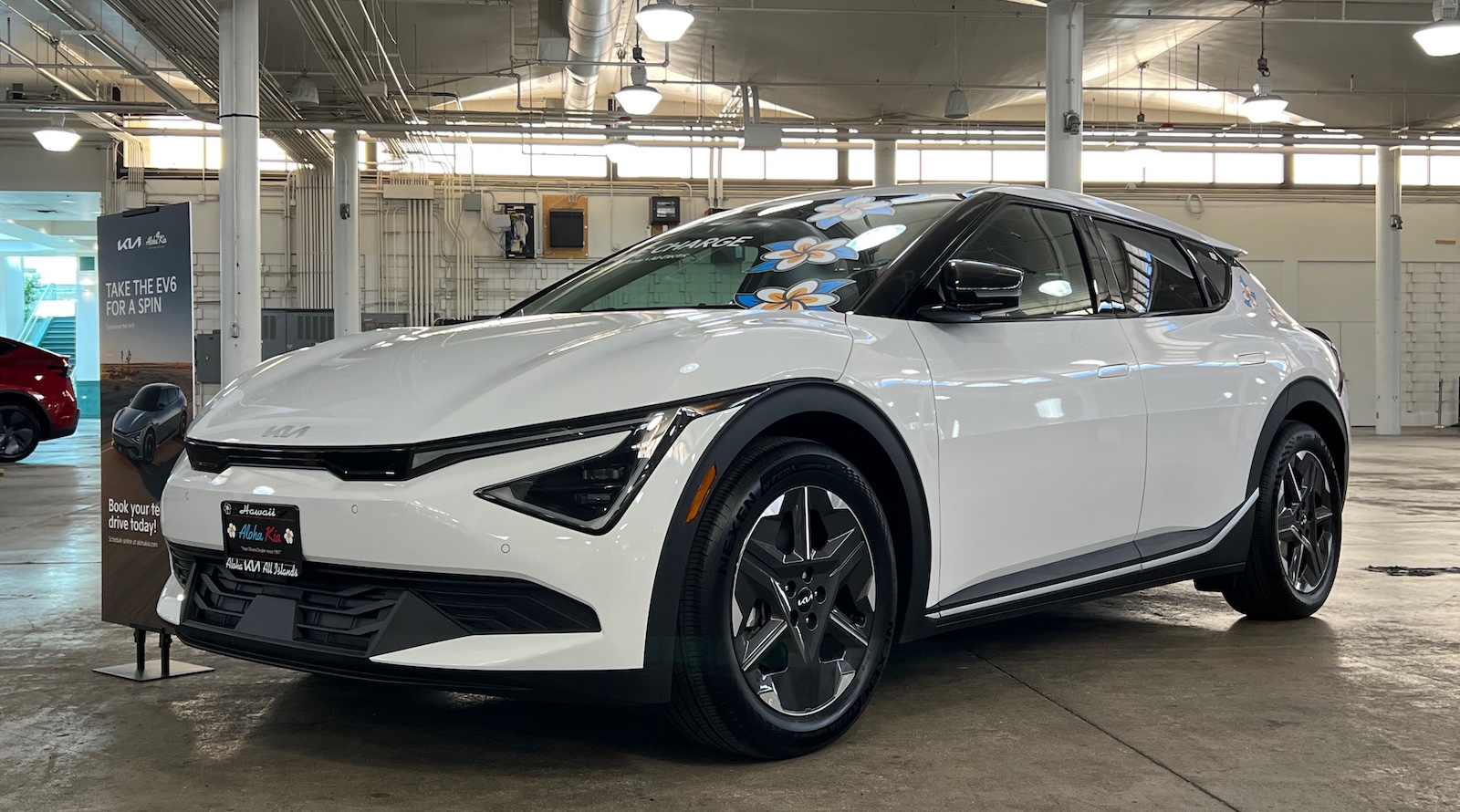
The US gasoline car market faces a looming "stranded asset" scenario by 2031, as cheap used electric vehicles (EVs) make internal combustion engine (ICE) vehicles economically obsolete for mainstream transportation. Industry analysts predict that maintenance, fuel, and repair costs for older gasoline and diesel cars will soon exceed their value, rendering them "worth less than zero" as transport options.
This shift mirrors the decline of horses in the early 20th century, which retained sentimental and scrap value but lost their primary transportation function. The transition is already evident in markets like Norway, where battery-electric vehicles (BEVs) accounted for 95.9% of new passenger car sales in 2025, and 97.6% by July 2026. While Norway’s used-car market still contains many ICE vehicles, charging infrastructure and policy changes are rapidly devaluing gasoline cars.
China presents a more immediate case study. By mid-2026, new energy vehicles (NEVs) comprised 65% of retail passenger sales, with pure BEVs at 44%. Used NEV transactions surged 29% year-over-year, while used gasoline cars became increasingly unsellable, with dealers reporting monthly depreciation of nearly 10%. Three-year-old ICE vehicles in China now retain only 46% of their original value, a sharp decline signaling broader market rejection.
In the US, the tipping point may arrive sooner than expected. A 2026 analysis by the University of Michigan found that used BEVs already have the lowest total cost of ownership compared to ICE and hybrid vehicles. For a typical car driving 12,000 miles annually, fuel costs for a gasoline vehicle at $4 per gallon exceed $1,900 per year—over three times the $600 cost for a home-charged EV. Maintenance expenses for older ICE cars can add another $1,200 annually, while EVs require minimal servicing.
Hybrids offer a partial compromise, with fuel costs around $800 per year, but still lag behind BEVs in long-term affordability. The federal EV tax credit’s expiration in 2026 has further slowed US adoption, with BEVs accounting for just 5.9% of new vehicle sales by mid-2026. However, industry observers warn that hybrids may only delay the inevitable, as used EVs continue to drop in price.
Automakers like General Motors, Ford, and Stellantis could face significant challenges if five-year-old gasoline vehicles depreciate to a fraction of their original value. A $50,000 crossover, for example, might become a $5,000 financial burden by 2031, potentially rendering new ICE models unsellable. Export markets may temporarily absorb excess supply, but the long-term outlook remains bleak as global buyers adopt the same total-cost calculations.
The timeline remains uncertain—some analysts suggest the transition could take a decade rather than five—but the direction is clear. As used EV prices fall and operating costs for ICE vehicles rise, the "worth less than zero" scenario becomes increasingly plausible.
#StrandedAssets #ElectricVehicles #GasolineCars #AutomotiveMarket #NorwayEVAdoption #ChinaNEVs #UsedCarDepreciation #TransportationShift
Comments (0)
No comments yet — be the first to weigh in.

Bentley Torcal: First All-Electric SUV Unveiling & Price Details
Bentley Motors will unveil its first all-electric SUV, the Torcal, on September 23. Discover pricing, features, and how it compares to competitors in the luxury EV market.

How King Harald V of Norway quietly led the world in clean tech adoption
King Harald V of Norway passed away in 2026 after a 35-year reign marked by stealth advocacy for clean technology, particularly electric vehicles, without political interference.

XPeng Advances AI Tech with VLA 2.0 Upgrade & Robotaxi Progress
XPeng's latest VLA 2.0 upgrade enhances intelligent driving with 4D perception, 20x safety boost, and voice-controlled robotaxis. Discover XPeng's AI advancements.
How Elon Musk's Budget Cuts Fueled Nepal Flood Disaster Risks
Explore the controversial link between Elon Musk's role in Trump's 'DOGE' office and the catastrophic Nepal floods, raising concerns over climate disaster preparedness.

Mumbai’s Vile Parle Cypher is giving unheard rappers a voice

Enrich and Ultimo impress

Karnataka CM Signals Review of 5% Park Land Amendment Bill in Assembly

