China’s Book Ban Backfires, Sparking Global Demand for Feng's Work
China's attempt to ban Emily Feng's book 'Let Only Red Flowers Bloom' led to a surge in demand, highlighting press freedom struggles and state control over narratives.
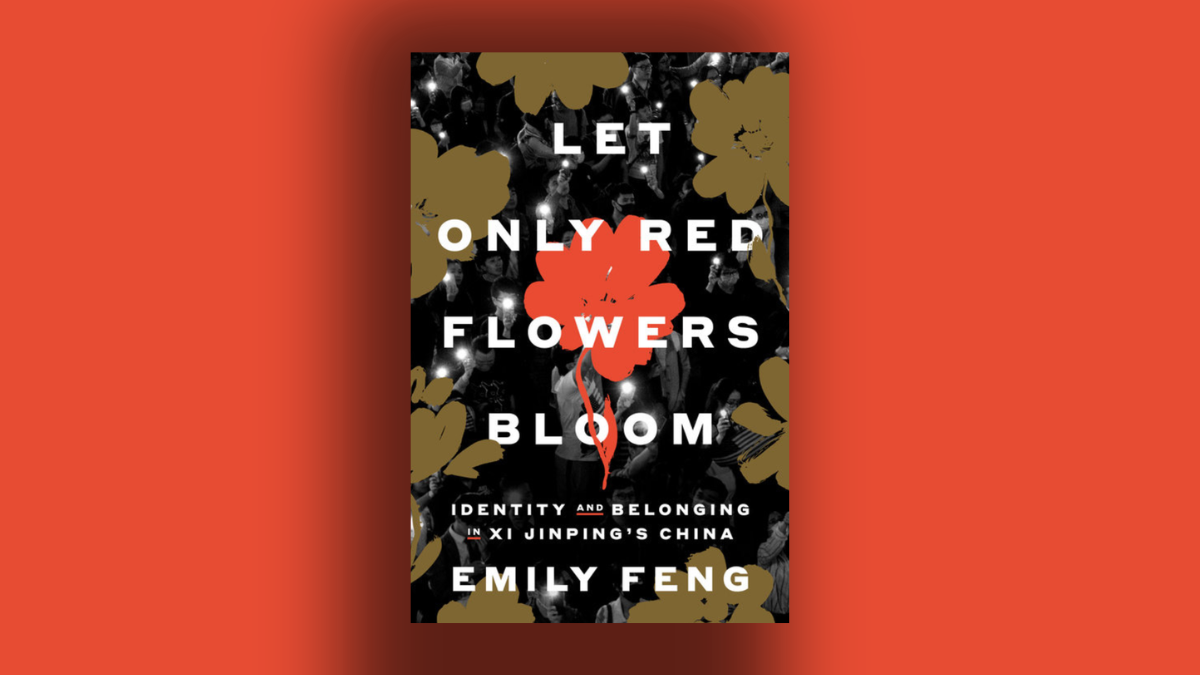
Hong Kong police raided two independent bookstores on July 15, 2026, arresting five individuals on suspicion of distributing publications with "seditious intention" under the city's national security laws. Among the titles seized was *Let Only Red Flowers Bloom: Identity and Belonging in Xi Jinping’s China* by American journalist Emily Feng.
The raids occurred amid broader restrictions on press freedom in China, where authorities have increasingly targeted foreign journalists. In Spring 2020, China expelled nearly 20 reporters from major outlets such as *The New York Times*, *The Wall Street Journal*, and *The Washington Post* in retaliation for U.S. measures against Chinese state media. Foreign correspondents have since faced visa delays, shortened press credentials, surveillance, online harassment, physical obstruction, and legal threats.
Feng, born in Connecticut to Chinese immigrant parents, reported from Beijing for National Public Radio from 2019 to 2022, focusing on issues like the mass detention of Uyghur Muslims. After a reporting trip in 2022, Chinese authorities barred her from re-entering the country. State media later labeled her a "race traitor" and a "banana," a derogatory term implying she was Chinese on the outside but Westernized within.
Following her expulsion, Feng relocated to Taiwan, where she wrote *Let Only Red Flowers Bloom*. The book is a collection of intimate portraits of nearly two dozen individuals whose lives challenge the Chinese state’s narrow definition of "good" Chinese citizenship. Among those profiled are a human rights lawyer stripped of his license for defending a Hong Kong activist, an Inner Mongolian teacher punished for promoting his native language, and a Uyghur family separated by internment camps.
Feng’s work distinguishes itself by centering personal narratives over historical events. In the preface, she states, "This is not a history book… it focuses on people living in the present day." She argues that President Xi Jinping’s greatest fear is a Soviet-style collapse, driving policies aimed at eliminating "incorrect" ideas and molding citizens into ethnically Han, Mandarin-speaking, secular, and loyal Party members.
The book highlights oppressive measures targeting ethnic minorities, including forced Mandarin-only education and political indoctrination. The case of the "chained woman" in Jiangsu province illustrates broader systemic issues. In early 2022, a video surfaced showing a woman chained in a shed, later revealed to be a victim of human trafficking linked to China’s gender imbalance from the one-child policy. Authorities suppressed coverage, detained citizen journalists investigating the case, and harassed foreign reporters, including Feng.
The book’s title references a remark by a Hui Muslim man, Yusuf, who compared Xi’s policies to Mao Zedong’s 1956 "Let a hundred flowers bloom" campaign—a brief period of liberalization followed by repression. Feng’s title, *Let Only Red Flowers Bloom*, suggests Xi’s abandonment of pretense, enforcing ideological conformity through relentless campaigns.
The English edition of Feng’s book was published in March 2025 and received modest attention. The Chinese-language edition, released in Taiwan in 2026, sparked significant interest in mainland China, prompting the July raids on Hong Kong bookstores. Rather than suppressing the book, the crackdown fueled demand, leading to sold-out copies in Taiwan and an emergency reprint of 10,000 copies.
By labeling the book seditious, authorities inadvertently reinforced its message—that resistance persists despite repression. For many ethnic Chinese, reading or reviewing the book has become an act of quiet defiance against a regime determined to enforce conformity. The raids, intended to silence dissent, instead amplified Feng’s argument that individual stories defy the state’s rigid vision of identity.
Comments (0)
No comments yet — be the first to weigh in.

Middlesbrough's Crime Crisis: Decades of Failed Policies Unleash Chaos
Former Middlesbrough mayor Andy Preston blames decades of lenient crime policies for the town's recent surge in gang violence and lawlessness.

Google Maps Renames Lake Ontario to 'Lake America' Following Trump Order
Google Maps now displays 'Lake America' in the US, replacing 'Lake Ontario' after Trump's executive order amid trade tensions with Canada. Canadians still see the original name.

Pentagon Warns Pentagon Chiefs: Iran War Unsustainable, Threatens U.S. Readiness
Classified assessment reveals Pentagon chiefs warn Defense Secretary Pete Hegseth that the Iran war is unsustainable and drains U.S. military resources and readiness.

Mike Rogers Proposes $50 Copays for Routine Health Screenings, Critics Warn of Risks
Former Congressman Mike Rogers suggests $50 copays for routine screenings, sparking debate over healthcare costs and access. Critics highlight potential risks.

Mumbai’s Vile Parle Cypher is giving unheard rappers a voice

Enrich and Ultimo impress

Karnataka CM Signals Review of 5% Park Land Amendment Bill in Assembly

