China‑US Mineral‑Chip Tussle: The New Cold War of Rocks vs. Chips
U.S. and China wage a new Cold War over critical minerals and chips, with rare earths and advanced semiconductors at stake, risking global stability.
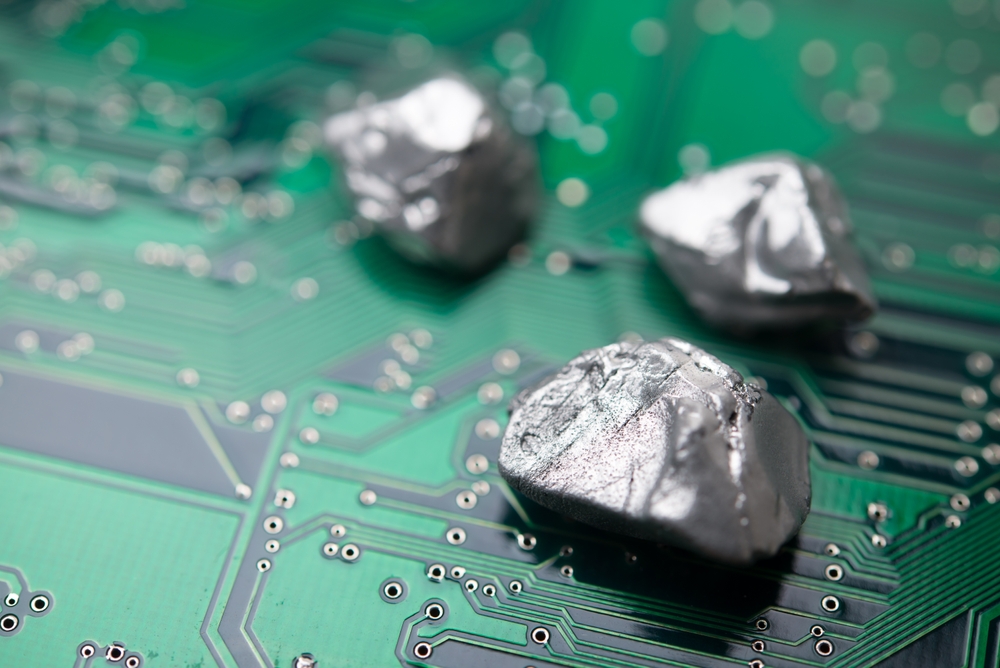
The global rivalry between the United States and China has taken on the characteristics of a modern-day Cold War, with each superpower wielding distinct but complementary economic and technological advantages.
China dominates the supply of critical minerals, particularly rare earth elements (REEs), which are essential for high-tech industries and advanced military systems. Meanwhile, the U.S. maintains a technological edge in semiconductor production, a key component of artificial intelligence and other cutting-edge industries. This division of power has led to a geopolitical standoff, with both nations vying for dominance in their respective domains.
In a recent meeting in Beijing, U.S. President Donald Trump and Chinese leader Xi Jinping sought to ease tensions between their countries. The two leaders agreed on a framework for "constructive strategic stability," with Trump delaying arms deliveries to Taiwan and approving the sale of advanced computer chips to China. In return, China committed to increasing purchases of U.S. goods, including Boeing aircraft and agricultural products. However, the summit yielded few concrete bilateral deals, and the broader global rules of engagement remained unchanged.
The U.S.-China relationship has been marked by periods of escalating confrontation, particularly under Trump's administration. However, the recent summit signals a shift away from the goal of economic decoupling, which had gained bipartisan support in the U.S. The two superpowers appear to be steering clear of direct conflict, at least for now.
China's control over critical minerals is a result of decades of outsourcing and strategic investments. The U.S. once led in REE extraction and processing but shifted production to China due to environmental concerns and labor costs. Today, China controls 60% of REE extraction and 90% of processing globally. It has also expanded its reach through the Belt and Road Initiative, securing access to mines in countries like Tanzania, Myanmar, and Brazil.
In response, the U.S. has ramped up domestic production and sought alternative sources. The Trump administration has invested in existing and new mining projects, such as the Mountain Pass mine in California and the Round Top mine in Texas. However, these efforts are unlikely to eliminate U.S. dependence on China in the near future.
China's dominance extends beyond REEs. It controls significant portions of the global supply of magnesium, tungsten, graphite, silicon, and cobalt, all of which are crucial for modern manufacturing. China's dominance in downstream production, such as the manufacturing of powerful magnets, further solidifies its position in the global supply chain.
The competition between the U.S. and China for critical minerals has intensified, particularly in the mineral-rich Global South. Many of these countries view China as a willing provider of capital and infrastructure, in contrast to the U.S., which has been criticized for its foreign policy and treatment of immigrants.
As the rivalry between the world's two largest economies continues, the global community watches closely. The outcome of this competition will have far-reaching implications for the future of technology, industry, and global governance.
Comments (0)
No comments yet — be the first to weigh in.

Iran-US Tensions Escalate Amid Hormuz Strait Crisis – Live Updates
Iranian President Pezeshkian seeks diplomatic solutions with global leaders at SCO summit in Kyrgyzstan amid rising US tensions over Hormuz Strait.

Search continues for 18 passengers after ferry capsized in northern Cyprus
Search and rescue operations are continuing off the coast of Kyrenia in northern Cyprus after a passenger ferry capsized and sank on Sunday, leaving at least ei...

Swiss Man Arrested After Deadly Rave Shooting Kills Italian Woman
A 43-year-old Swiss suspect has been arrested after a shooting at a techno rave in Aarau left one woman dead and several others injured. Authorities continue their investigation.

England attack's 2005 comparisons fair - Trescothick
England’s new pace attack is drawing comparisons to the legendary Ashes-winning quartet of 2005, according to interim head coach Marcus Trescothick. The current...

Mumbai’s Vile Parle Cypher is giving unheard rappers a voice

Enrich and Ultimo impress

Karnataka CM Signals Review of 5% Park Land Amendment Bill in Assembly

