Coffee Break: Working-Class Life, Climate Change, Politics & Science Explained
Explore how the working class navigates climate change, political shifts, and scientific developments in this insightful coffee break analysis.

The United States is witnessing a growing trend of business leaders transitioning into political roles, according to a report published on August 29, 2026, by financial analyst Yves Smith. This shift, Smith argues, reflects broader changes in the political landscape where corporate backgrounds are increasingly valued in governance. The phenomenon raises questions about the influence of business interests in policymaking and the potential implications for democratic representation.
In Europe, energy security concerns are escalating as the continent enters winter with natural gas reserves at their lowest levels in two decades, Smith noted in a separate article on August 28, 2026. The decline in storage levels, coupled with geopolitical tensions, has heightened anxieties about energy supplies and affordability for households and industries across the continent. Analysts warn that this could lead to increased energy prices and potential shortages during the colder months.
Meanwhile, tensions at the Ceuta-Morocco border continue to intensify, with multiple reports on August 28, 2026, indicating a further escalation in the crisis. The situation has drawn international attention as both sides engage in a standoff over migration policies and territorial disputes. The escalation poses risks to regional stability and humanitarian conditions for migrants stranded at the border.
Russia is making strategic moves in the Arctic, according to Smith’s report on August 28, 2026, highlighting the region’s growing geopolitical significance. The melting of Arctic ice, driven by climate change, has opened new shipping routes and resource opportunities, prompting Russia to bolster its presence in the area. This development could reshape global trade dynamics and intensify competition among nations with Arctic interests.
A trade dispute between the U.S. and Canada has deepened, as the Trump administration invokes a Depression-era trade tool to impose new tariffs on Canadian goods, reported Smith on August 28, 2026. The move threatens to disrupt supply chains and increase costs for consumers in both countries. With midterm elections looming, the trade war could have significant political repercussions, particularly in border states reliant on cross-border commerce.
Cultural commentary on August 27, 2026, by Curro Jimenez contrasts the idealized narratives of the West with the stark realities depicted in Spanish literature. Jimenez argues that modern Western societies often obscure their complexities, favoring grand narratives over nuanced truths—a critique that challenges the romanticized portrayals of progress and heroism.
In a separate article on August 27, 2026, Smith highlights concerns over proposals by wealthy media owners to reduce Social Security benefits in order to avoid higher tax contributions. Critics argue that such measures disproportionately target working-class and middle-class Americans while preserving tax advantages for the ultra-wealthy. The debate underscores broader tensions over wealth inequality and fiscal policy in the U.S.
As these developments unfold, analysts emphasize the interconnected nature of global challenges, from energy security to trade disputes and social welfare policies. The evolving political and economic landscape continues to shape the lives of millions, with decisions made in capitals and corporate boardrooms carrying consequences for people across continents.
Comments (0)
No comments yet — be the first to weigh in.

Free School Uniform Swap Shop Saves Welsh Families £50m Annually
A Cardiff father's school uniform swap shop initiative has grown to 200 schools, helping Welsh families save £50m yearly while promoting sustainability and reducing clothing waste.
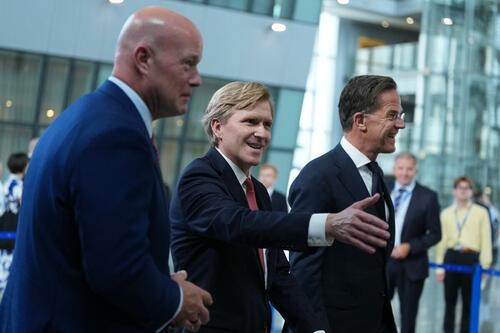
Poland, US Explore Permanent Military Bases: Defense Talks Underway
Poland and the US are discussing permanent American military bases in Poland, focusing on defense capabilities rather than troop numbers. Nuclear warheads are not part of the plans.

Taxpayers Lost $65B to Obamacare Fraud in 2024; Feds Crack Down
A Paragon Health Institute report reveals $65 billion in taxpayer losses due to Obamacare and Medicaid fraud in 2024, with improper enrollments rising in 2025.
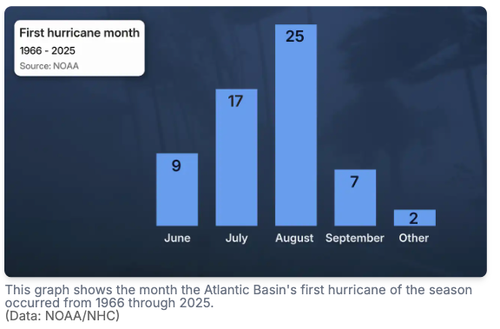
El Niño Delaying 2026 Atlantic Hurricane Season as Dolly Nears Florida
El Niño's wind shear suppresses 2026 Atlantic hurricane activity, delaying first hurricane as Tropical Storm Dolly's remnants approach Florida and the Caribbean.

Mumbai’s Vile Parle Cypher is giving unheard rappers a voice

Enrich and Ultimo impress

Karnataka CM Signals Review of 5% Park Land Amendment Bill in Assembly

