Compact PCB Vise Uses Up That Leftover Filament
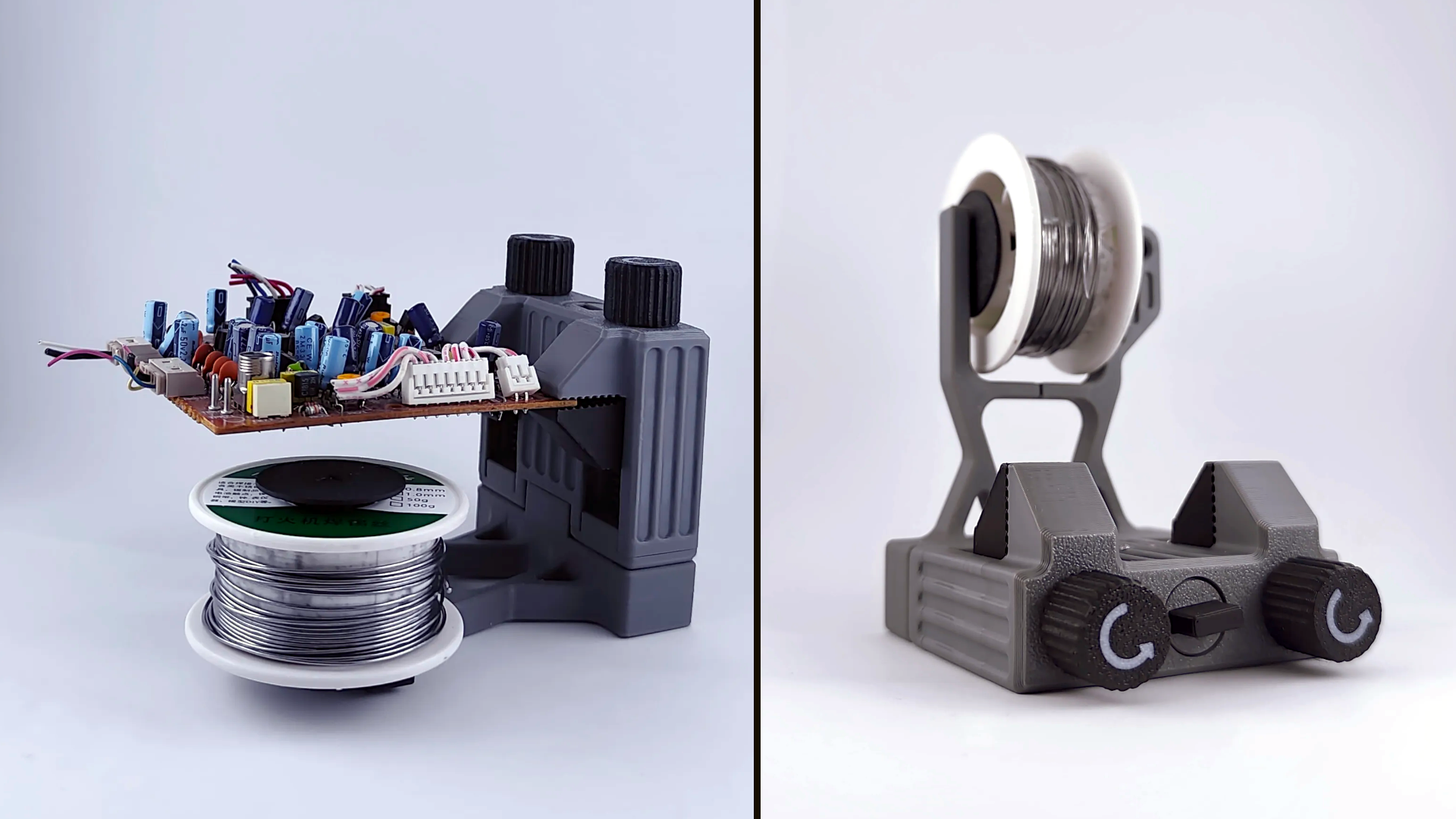
A 3D-printed PCB vise created by a maker known online as Chefkoch offers enthusiasts a practical way to repurpose leftover filament spools while gaining a useful tool for small-scale electronics work. Requiring less than 70 grams of filament, the vise is designed to hold printed circuit boards securely during soldering and can be reconfigured to accommodate boards in either horizontal or vertical orientations. The design cleverly incorporates a solder spool as a counterweight, enhancing stability without the need for additional hardware or fasteners.
Chefkoch, a maker active in the 3D printing and DIY electronics communities, developed the vise as part of an effort to reduce waste and maximize utility from leftover printing materials. The vise is fully 3D printed, making it accessible to anyone with a desktop 3D printer and access to open-source design files. Its compact size and adaptable jaw configuration make it particularly suitable for hobbyists working with small to medium-sized circuit boards.
The vise’s multi-functional design allows users to switch between horizontal and vertical setups based on their specific needs. In the horizontal configuration, the solder spool acts as a stabilizing counterweight, preventing the vise from tipping over during use. When switched to vertical mode, the spool remains securely in place, maintaining the tool’s balance. This dual functionality ensures that the vise can be used in a variety of soldering scenarios without requiring additional adjustments or modifications.
Because the device is entirely 3D printed, it eliminates the need for metal components, screws, or other hardware, simplifying assembly and reducing costs. The total material usage remains minimal, making it an eco-friendly option for makers looking to minimize filament waste. The project aligns with broader trends in the maker community, where upcycling and resourcefulness are increasingly prioritized.
For those who frequently work with solder and are looking for additional ways to streamline their workflow, Chefkoch has also designed a solder scroll—a pen-like tool that simplifies handheld solder feeding. This complementary tool further enhances the efficiency of small-scale soldering tasks, complementing the PCB vise’s utility.
The project is documented and shared within maker communities, allowing others to download the necessary files, replicate the design, and customize it as needed. By combining practicality with sustainability, Chefkoch’s 3D-printed PCB vise serves as an example of how small-scale innovations can address both functional and environmental challenges in the DIY electronics space.
#DIYTools #3DPrinting #PCBAssembly #MakerCommunity #Soldering #Upcycling #ElectronicsHacks
Comments (0)
No comments yet — be the first to weigh in.

Energy biz SSE smacked around in court by a guy and AI
An Oxford doctoral student has defeated British energy provider SSE Energy Supply in court after utilizing artificial intelligence models to build his legal def...
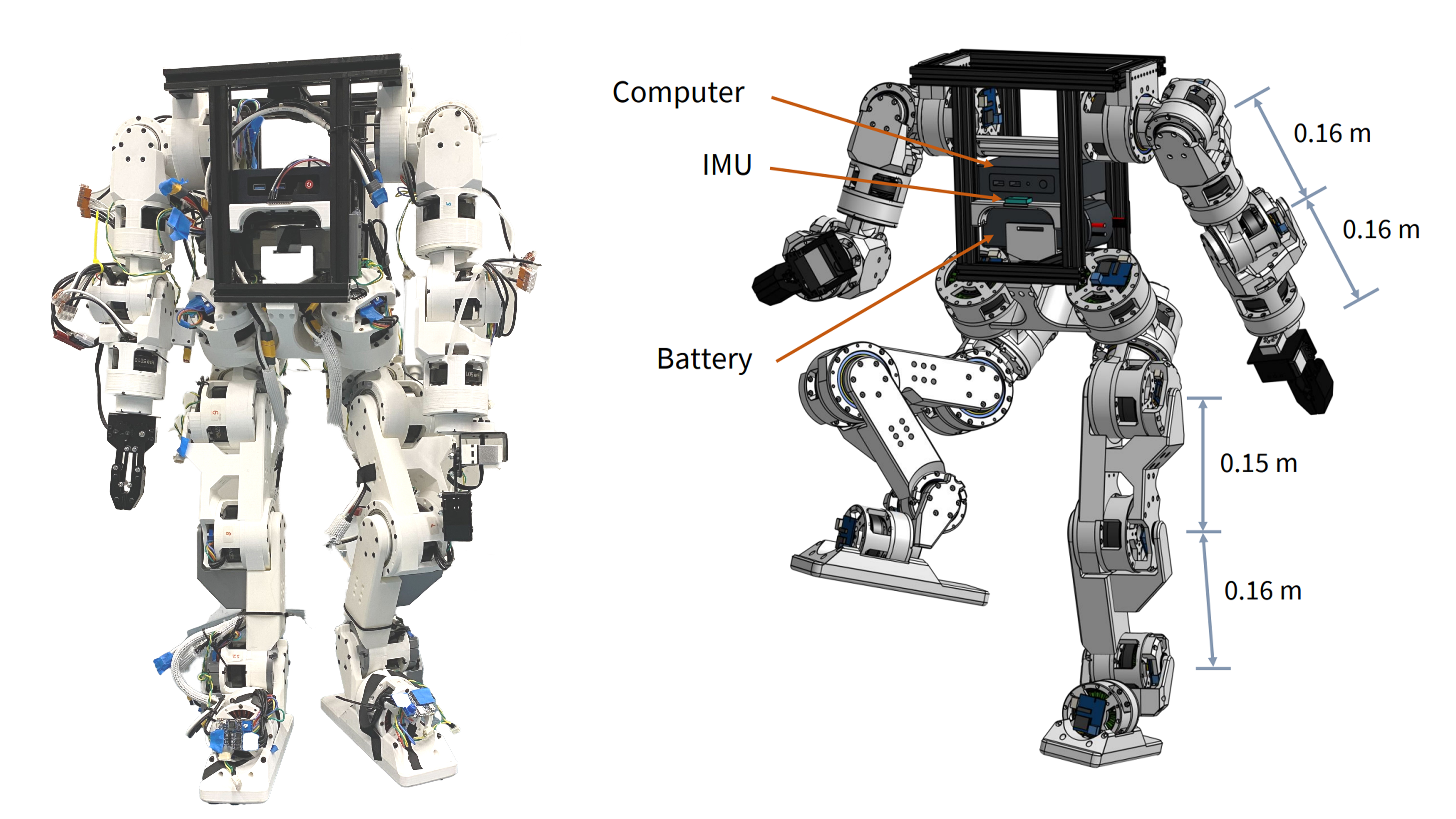
Berkeley Humanoid Lite: Affordable Open-Source Robot with DIY Actuators
Explore the Berkeley Humanoid Lite, a budget-friendly open-source robot featuring 3D-printed actuators under $5,000 USD. Learn how its modular design benefits DIY projects.

Woodstove Safety Monitor: Oru System Alerts Users to Temperature Fluctuations
Discover how the Oru woodstove assistant helps prevent dangerous chimney fires by monitoring exhaust gas temperatures and alerting users to temperature changes.
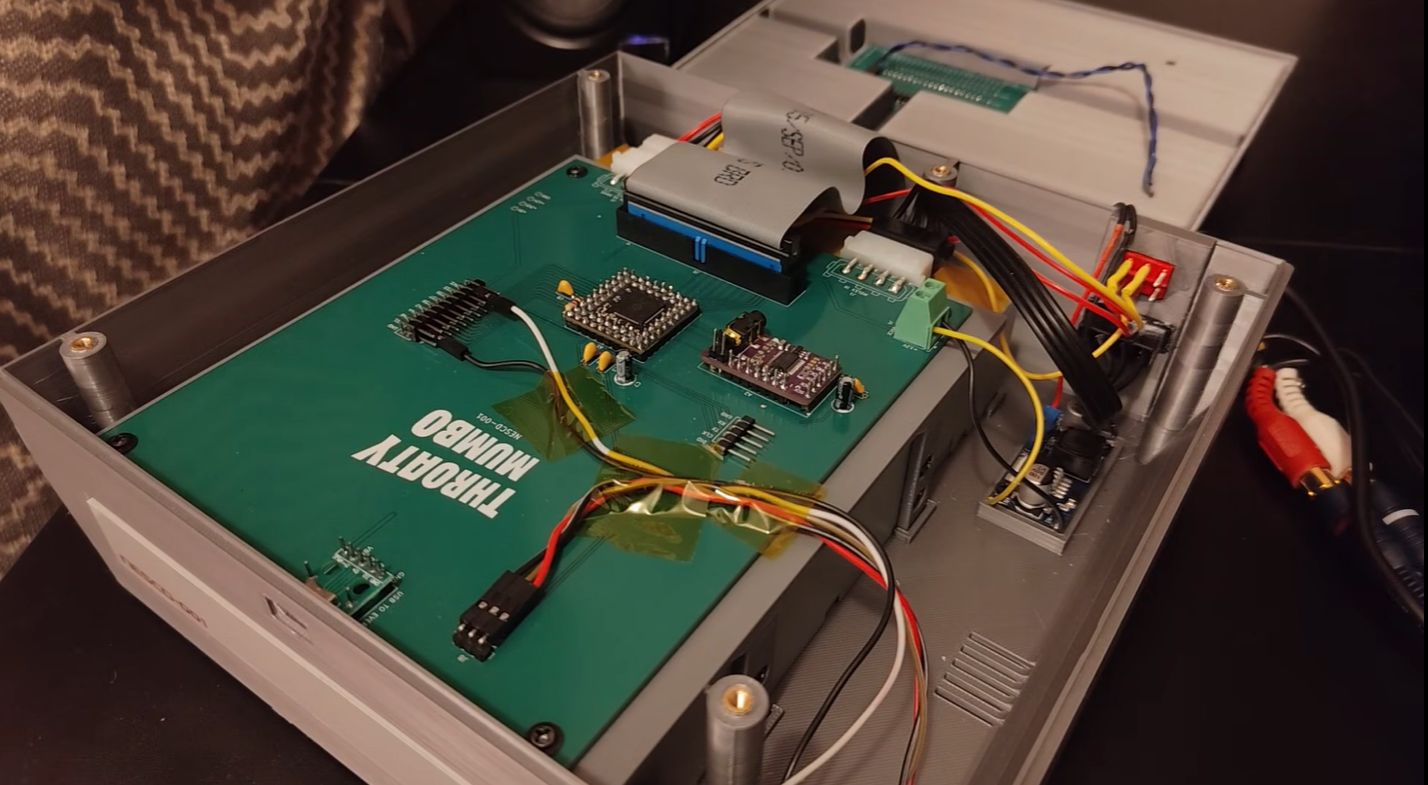
NES CD Add-On Revives 1980s Gaming with Optical Storage
Explore how a DIY project integrates a CD drive with the NES using an RP2350B microcontroller and Everdrive N8 Pro for expanded storage and audio playback.

Mumbai’s Vile Parle Cypher is giving unheard rappers a voice

Enrich and Ultimo impress

Karnataka CM Signals Review of 5% Park Land Amendment Bill in Assembly

