Democrat Wasserman Schultz's District Switch Highlights Racial Hypocrisy
Florida Democrat Debbie Wasserman Schultz's district switch to a majority-minority area underscores the left's cynical exploitation of racial narratives for political gain, critics argue.
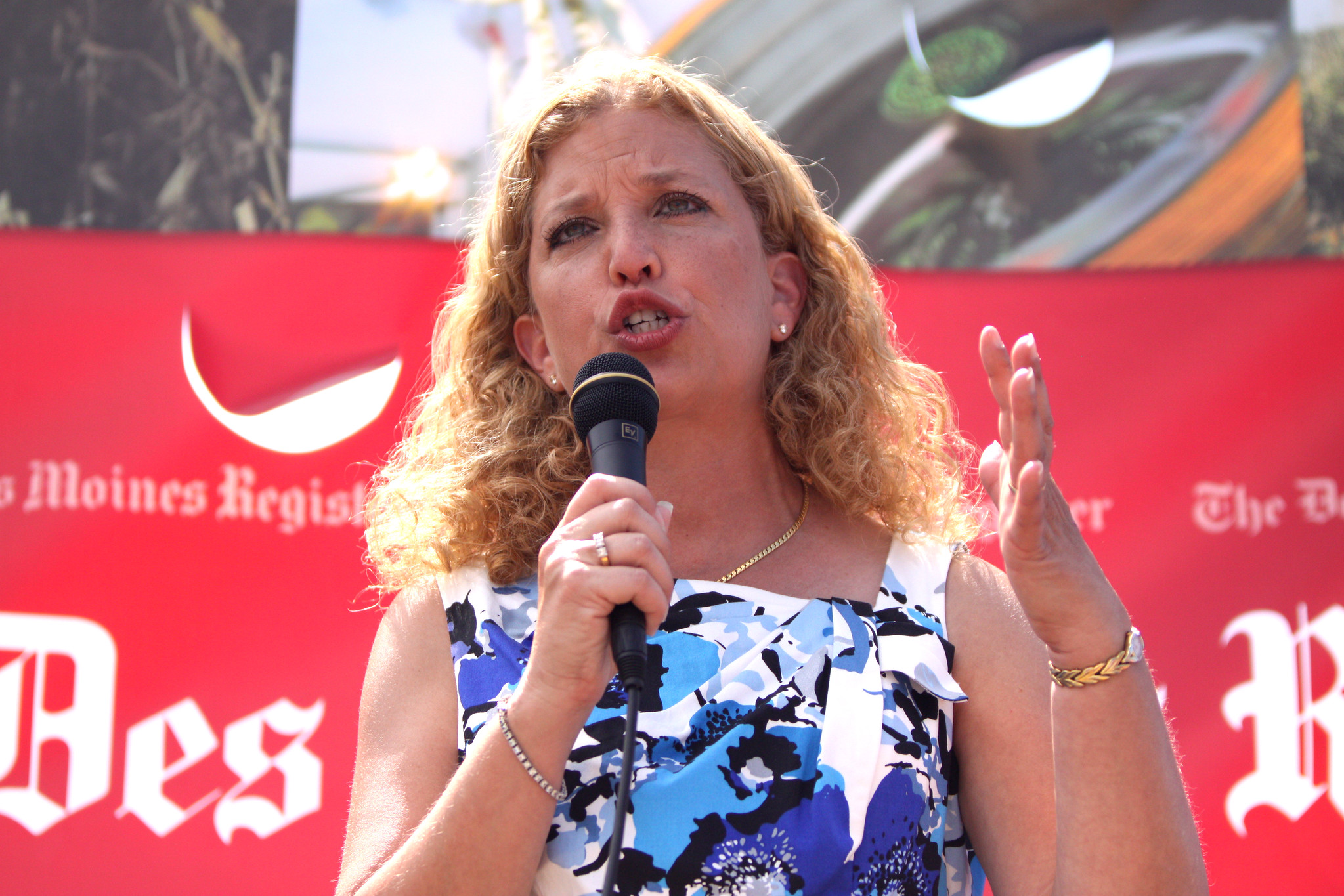
Debbie Wasserman Schultz, the former chair of the Democratic National Committee, has come under scrutiny for what critics call a blatant example of political opportunism. In a move that has drawn widespread criticism, Wasserman Schultz, who currently represents Florida’s 25th congressional district, has shifted to a neighboring district ahead of the upcoming election. The new district, Florida’s 20th, is majority-minority, with 49 percent of its population identifying as black. This is not the first time the district has been represented by a black Democrat, a fact that has added to the controversy surrounding her decision.
Critics argue that Wasserman Schultz’s move is a clear example of the left’s exploitation of racial grievance narratives for political gain. They point out that despite the Democratic Party’s emphasis on racial justice and representation, Wasserman Schultz’s decision to change districts undermines black political power when it becomes politically convenient. This sentiment was echoed by the Broward County Black Democratic Caucus, whose president, Corey Shearer, told the Washington Post, “She’s been an ally, but suddenly it’s feeling more like she’s using the familiarity she’s built against us.”
The decision has also drawn criticism from national party leaders. House Majority Leader Hakeem Jeffries, while not explicitly endorsing Wasserman Schultz, acknowledged the sensitivities surrounding the issue, describing it as an “unprecedented Jim Crow-like assault on Black political representation.” Similarly, Yvette D. Clarke, Chair of the Congressional Black Caucus, declined to endorse Wasserman Schultz, stating that encouragement was not part of their conversation.
Despite the controversy, Wasserman Schultz is likely to win the heavily Democratic FL-20 in November. Her Republican opponent, Brent Anderson, has raised far less money, and registered Democrats make up more than 55 percent of the district’s voters. This likely victory, however, stands in direct contradiction to Wasserman Schultz’s own remarks about the racial composition of Congress and the broader platform of her party.
The incident highlights a broader pattern within the Democratic Party, where racial grievance narratives are often used to rally the base or criticize opponents, but are quickly abandoned when they conflict with the party’s grasp on power. This was evident in the 2020 presidential election, where then-candidate Joe Biden and his running mate Kamala Harris emphasized the need to dismantle systemic racism and address white supremacy. Yet, in the current Congress, women comprise only 42 percent of Democrat representatives, and non-whites make up just 45 percent of Democrat congressmen and women.
Critics argue that the left’s emphasis on racial justice and representation is often more about political advantage than genuine commitment to these causes. This is further evidenced by the lucrative industry built around grievance narratives, with consultants like Robin DiAngelo and Ibram X. Kendi reportedly earning substantial fees for their services. Similarly, Black Lives Matter co-founder Patrice Cullors purchased a $6 million property with funds raised for the organization.
Despite the controversy surrounding her decision, Wasserman Schultz is expected to win the FL-20 race. She has stated that she wants to ensure the district has someone who knows the communities and their values, who has delivered for them and knows how to fight for them. This, however, stands in stark contrast to her own remarks from 2012, when she celebrated the racial and gender diversity of the newly elected Congress.
Comments (0)
No comments yet — be the first to weigh in.

Middlesbrough's Crime Crisis: Decades of Failed Policies Unleash Chaos
Former Middlesbrough mayor Andy Preston blames decades of lenient crime policies for the town's recent surge in gang violence and lawlessness.

Google Maps Renames Lake Ontario to 'Lake America' Following Trump Order
Google Maps now displays 'Lake America' in the US, replacing 'Lake Ontario' after Trump's executive order amid trade tensions with Canada. Canadians still see the original name.

Pentagon Warns Pentagon Chiefs: Iran War Unsustainable, Threatens U.S. Readiness
Classified assessment reveals Pentagon chiefs warn Defense Secretary Pete Hegseth that the Iran war is unsustainable and drains U.S. military resources and readiness.

Mike Rogers Proposes $50 Copays for Routine Health Screenings, Critics Warn of Risks
Former Congressman Mike Rogers suggests $50 copays for routine screenings, sparking debate over healthcare costs and access. Critics highlight potential risks.

Mumbai’s Vile Parle Cypher is giving unheard rappers a voice

Enrich and Ultimo impress

Karnataka CM Signals Review of 5% Park Land Amendment Bill in Assembly

