DIY Robotic SD Card Library Maximizes Existing Components, Saves Costs
A maker builds a robotic microSD card library using a 3D-printed arm and rack-and-pinion gripper to automate card handling, saving costs amid rising component prices.
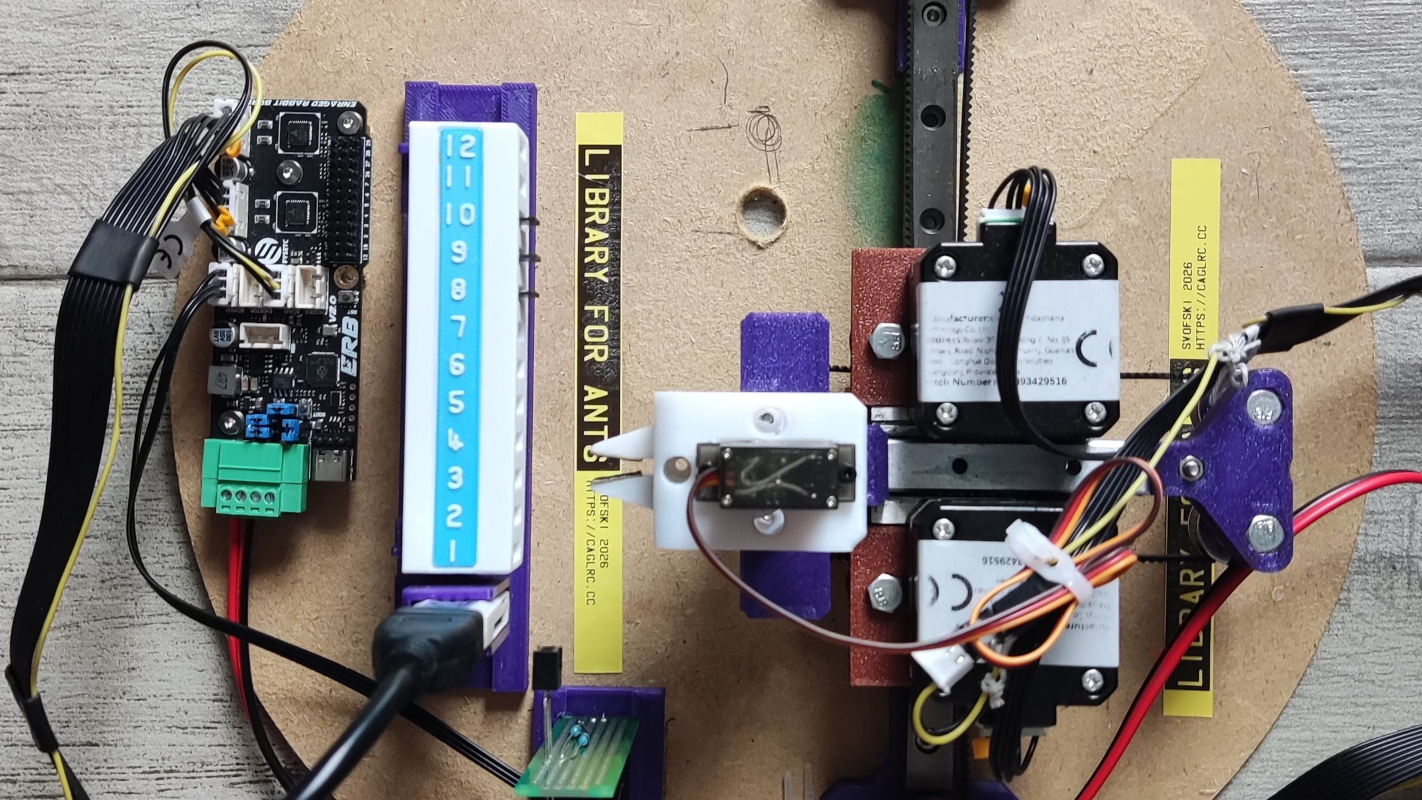
A maker known online as svofski has built a compact robotic library that automates the handling of microSD cards, offering a practical solution for users dealing with rising component costs. The project, documented in a recent Hackaday post, transforms a collection of microSD cards into a managed storage system that can read, write, or switch cards without manual intervention. By repurposing existing hardware rather than purchasing new components, the build aligns with current DIY trends focused on maximizing value during supply constraints.
The core of the system is a small robotic arm equipped with a dual-pincer gripper, designed to securely pick up and place microSD cards into a 12-slot reader array. svofski initially experimented with a rotating pincer mechanism, but found it unnecessarily complex. The final design uses a rack-and-pinion system that slides the two pincers together horizontally, enabling precise control and reliable card handling.
Mounted in what svofski describes as a “T-bot” arrangement, the robotic arm operates similarly to coreXY kinematics used in 3D printers. This configuration allows the arm to move efficiently across the X and Y axes, reaching any of the 12 card slots with minimal motion. The entire mechanism is built using parts commonly sourced from or inspired by 3D printer designs, making it accessible to other makers with access to standard tools and filaments.
While the project began as an exploration of robotic tape changers—devices that automate the swapping of magnetic tapes—it evolved into a functional prototype for removable media management. Although not built for a specific application, the system could be particularly useful for users needing to duplicate large batches of SD cards, such as in embedded development, testing environments, or media duplication tasks.
The build demonstrates how open-source hardware and maker ingenuity can address practical challenges without new purchases. As semiconductor prices remain elevated and supply chains continue to fluctuate, projects like this highlight the value of repurposing and automating existing resources.
#microSD #Robotics #DIY #MakerProject #StorageAutomation #Hackaday #svofski
Comments (0)
No comments yet — be the first to weigh in.

Energy biz SSE smacked around in court by a guy and AI
An Oxford doctoral student has defeated British energy provider SSE Energy Supply in court after utilizing artificial intelligence models to build his legal def...
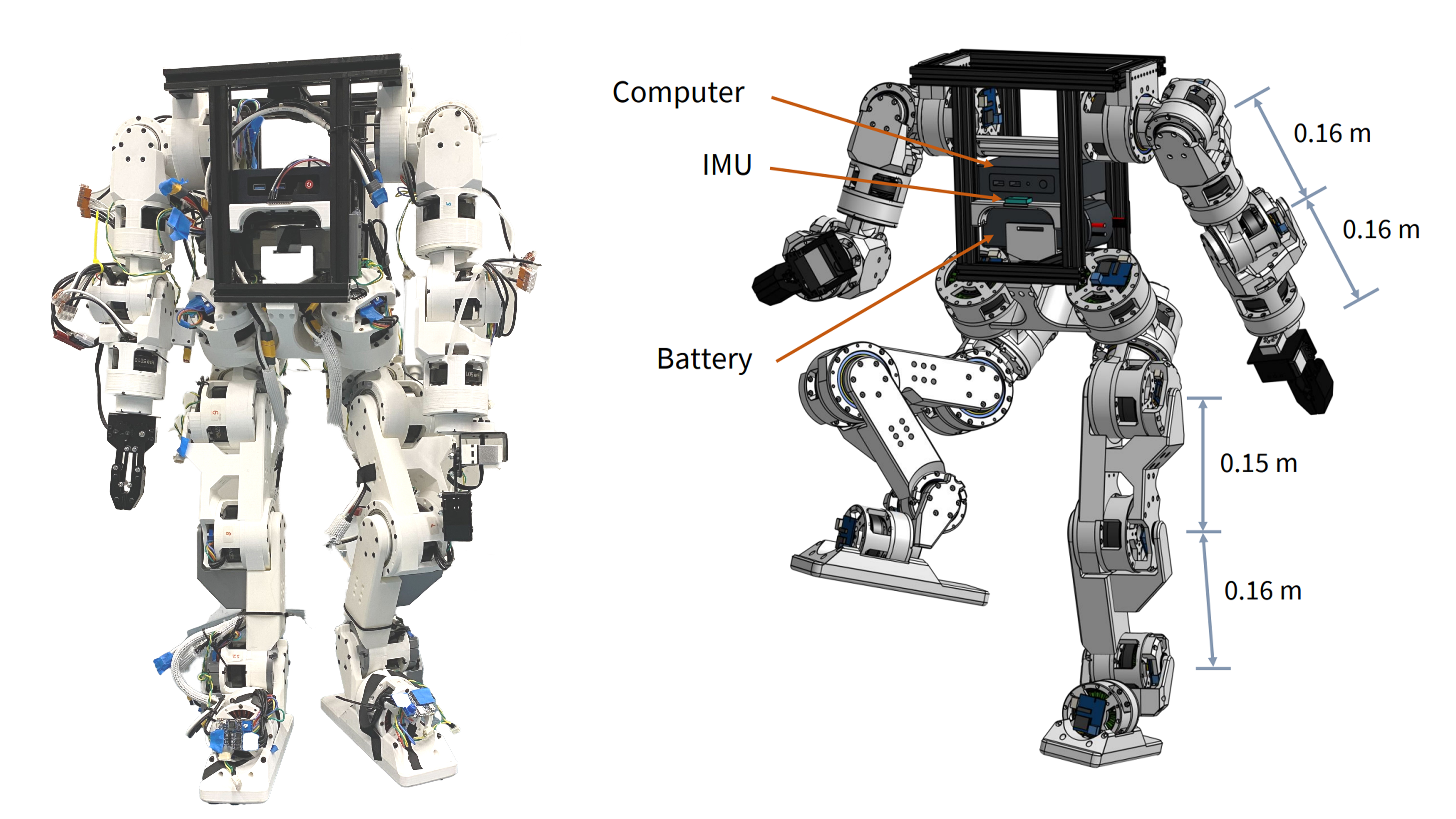
Berkeley Humanoid Lite: Affordable Open-Source Robot with DIY Actuators
Explore the Berkeley Humanoid Lite, a budget-friendly open-source robot featuring 3D-printed actuators under $5,000 USD. Learn how its modular design benefits DIY projects.

Woodstove Safety Monitor: Oru System Alerts Users to Temperature Fluctuations
Discover how the Oru woodstove assistant helps prevent dangerous chimney fires by monitoring exhaust gas temperatures and alerting users to temperature changes.
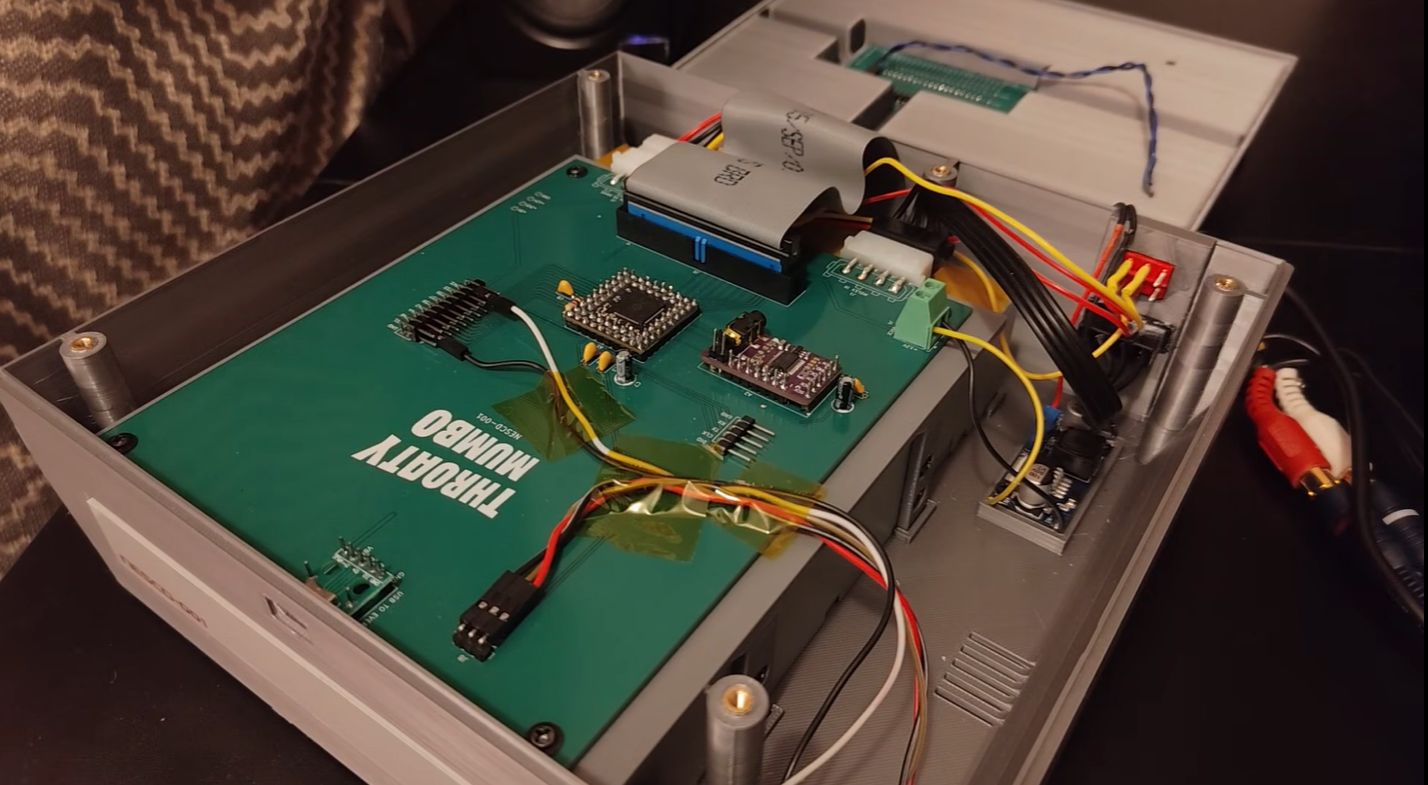
NES CD Add-On Revives 1980s Gaming with Optical Storage
Explore how a DIY project integrates a CD drive with the NES using an RP2350B microcontroller and Everdrive N8 Pro for expanded storage and audio playback.

Mumbai’s Vile Parle Cypher is giving unheard rappers a voice

Enrich and Ultimo impress

Karnataka CM Signals Review of 5% Park Land Amendment Bill in Assembly

