Europe Faces Winter Gas Shortage as Storage Hits Two-Decade Low
Europe's gas storage levels fall to their lowest in twenty years, raising concerns about winter supply, price spikes, and the need for policy measures.
Europe is entering the winter heating season with natural gas storage levels at their lowest point in two decades, raising concerns about potential supply shortages and price volatility across the continent.
According to the latest data from industry tracker Gas Infrastructure Europe, underground gas storage facilities were filled to just 62.5 percent of capacity as of August 28, the lowest level recorded for this time of year since 2004. The deficit is particularly acute in key storage hubs such as Germany, where levels stand at 60.2 percent, and France at 58.8 percent. Analysts attribute the shortfall to a combination of factors, including reduced pipeline imports from Russia following supply cuts in 2022, and elevated demand from Asia that has diverted liquefied natural gas (LNG) shipments away from European markets.
The European Union has sought to mitigate the risk by mandating minimum storage levels of 90 percent by November 1, but compliance remains uneven. As of late August, only nine of the EU’s 27 member states had met or exceeded this target. Poland, for instance, has filled its storage to 95 percent, while Germany and Italy lag behind at 60 and 64 percent respectively.
The precarious storage situation reflects broader structural challenges in Europe’s energy transition. Since the sharp reduction in Russian gas deliveries, the continent has scrambled to diversify its supply through LNG imports, particularly from the United States and Qatar. However, global LNG markets remain tight, with prices elevated due to high Asian demand and limited new export capacity coming online in the short term.
The European Commission has acknowledged the risks but insists that the situation is manageable. “We are in a much better position than last year at this time,” said a spokesperson for the Commission’s energy directorate. “Stock levels are lower than ideal, but we have a robust plan in place, including demand reduction measures and emergency sharing protocols among member states.”
Still, energy analysts warn that a cold winter or further disruptions in supply could push prices higher, straining household budgets and industrial consumers alike. “The margin for error is very slim,” said Simone Tagliapietra, senior fellow at the Bruegel think tank in Brussels. “If we face a prolonged cold snap, we could see prices spike again, especially in countries heavily reliant on gas for heating.”
In response, several EU countries have announced contingency measures. France has reactivated some mothballed nuclear reactors to reduce gas demand, while Germany has extended the operational life of coal plants to preserve gas for heating. The European Central Bank has also cautioned that energy-driven inflation could delay monetary easing, further complicating economic recovery efforts.
While the immediate outlook remains uncertain, energy officials emphasize that Europe has made significant progress in reducing gas consumption. Final energy demand in the EU fell by 5.5 percent in the first half of 2024 compared to the same period in 2021, driven by efficiency gains and fuel switching.
Yet as temperatures begin to drop, policymakers, businesses, and households across Europe are bracing for what could be a challenging winter—one where energy security is once again tested, and affordability remains a pressing concern.
Comments (0)
No comments yet — be the first to weigh in.

Free School Uniform Swap Shop Saves Welsh Families £50m Annually
A Cardiff father's school uniform swap shop initiative has grown to 200 schools, helping Welsh families save £50m yearly while promoting sustainability and reducing clothing waste.

Poland, US Explore Permanent Military Bases: Defense Talks Underway
Poland and the US are discussing permanent American military bases in Poland, focusing on defense capabilities rather than troop numbers. Nuclear warheads are not part of the plans.
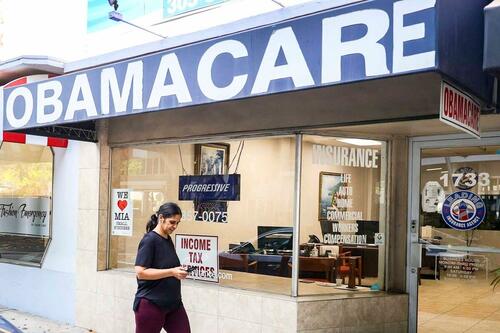
Taxpayers Lost $65B to Obamacare Fraud in 2024; Feds Crack Down
A Paragon Health Institute report reveals $65 billion in taxpayer losses due to Obamacare and Medicaid fraud in 2024, with improper enrollments rising in 2025.
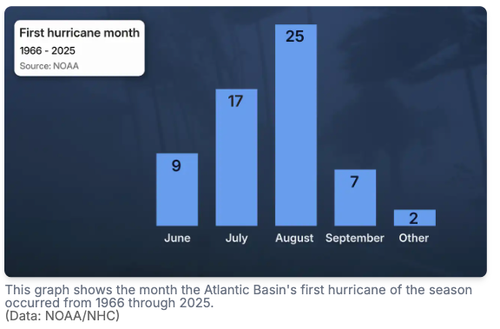
El Niño Delaying 2026 Atlantic Hurricane Season as Dolly Nears Florida
El Niño's wind shear suppresses 2026 Atlantic hurricane activity, delaying first hurricane as Tropical Storm Dolly's remnants approach Florida and the Caribbean.

Mumbai’s Vile Parle Cypher is giving unheard rappers a voice

Enrich and Ultimo impress

Karnataka CM Signals Review of 5% Park Land Amendment Bill in Assembly

