Fitness Tracker Privacy Risks: What Companies Aren't Doing to Protect Your Health Data
Fitness trackers collect sensitive health data, but many companies fail to protect it. Learn how to safeguard your privacy with tips from EFF's latest report.

Wearable fitness devices like smartwatches, fitness bands and health rings are collecting more personal data than ever—but many companies behind these gadgets are failing to adequately safeguard sensitive information, according to a new report from the Electronic Frontier Foundation (EFF).
The digital rights group highlighted ongoing privacy risks in its latest EFFector newsletter, the organization’s 38th volume, which examines how wearables collect and share user data. EFF has been tracking digital privacy and civil liberties issues for over 35 years, and its latest issue also covers drone surveillance by law enforcement and legal rulings on border searches of electronic devices.
Fitness trackers and health monitors gather detailed data on users’ heart rates, sleep patterns, movement and locations. While these insights can promote health and wellness, they also create significant privacy concerns—especially if that data is shared, sold or exposed in a breach.
In an interview featured in the EFFector podcast, EFF Senior Security and Privacy Activist Thorin Klosowski discussed the current state of fitness tracker privacy and what companies could do to improve protections. The episode is available on major podcast platforms for listeners who prefer audio content.
Despite growing consumer adoption of wearables, many manufacturers still lack robust data protection policies. EFF says companies should implement stronger encryption, minimize data collection and be transparent about how data is used and shared. Without these safeguards, sensitive health information could be vulnerable to misuse by advertisers, insurers, hackers or government agencies.
The EFFector newsletter encourages readers to take action by signing up for updates, joining advocacy efforts and supporting the organization’s mission. EFF provides resources for users to better understand their digital rights and offers ways to get involved in protecting privacy and free speech online.
For those who use fitness trackers or plan to, experts recommend reviewing privacy settings, choosing devices from companies with strong data policies and being cautious about linking health apps to other services. As wearables become more integrated into daily life, ensuring data security remains a critical challenge for both consumers and regulators.
#FitnessTrackerPrivacy #ElectronicFrontierFoundation #DigitalPrivacy #WearableTech #HealthData #ThorinKlosowski #PrivacyRights #TechSecurity
Comments (0)
No comments yet — be the first to weigh in.

Energy biz SSE smacked around in court by a guy and AI
An Oxford doctoral student has defeated British energy provider SSE Energy Supply in court after utilizing artificial intelligence models to build his legal def...
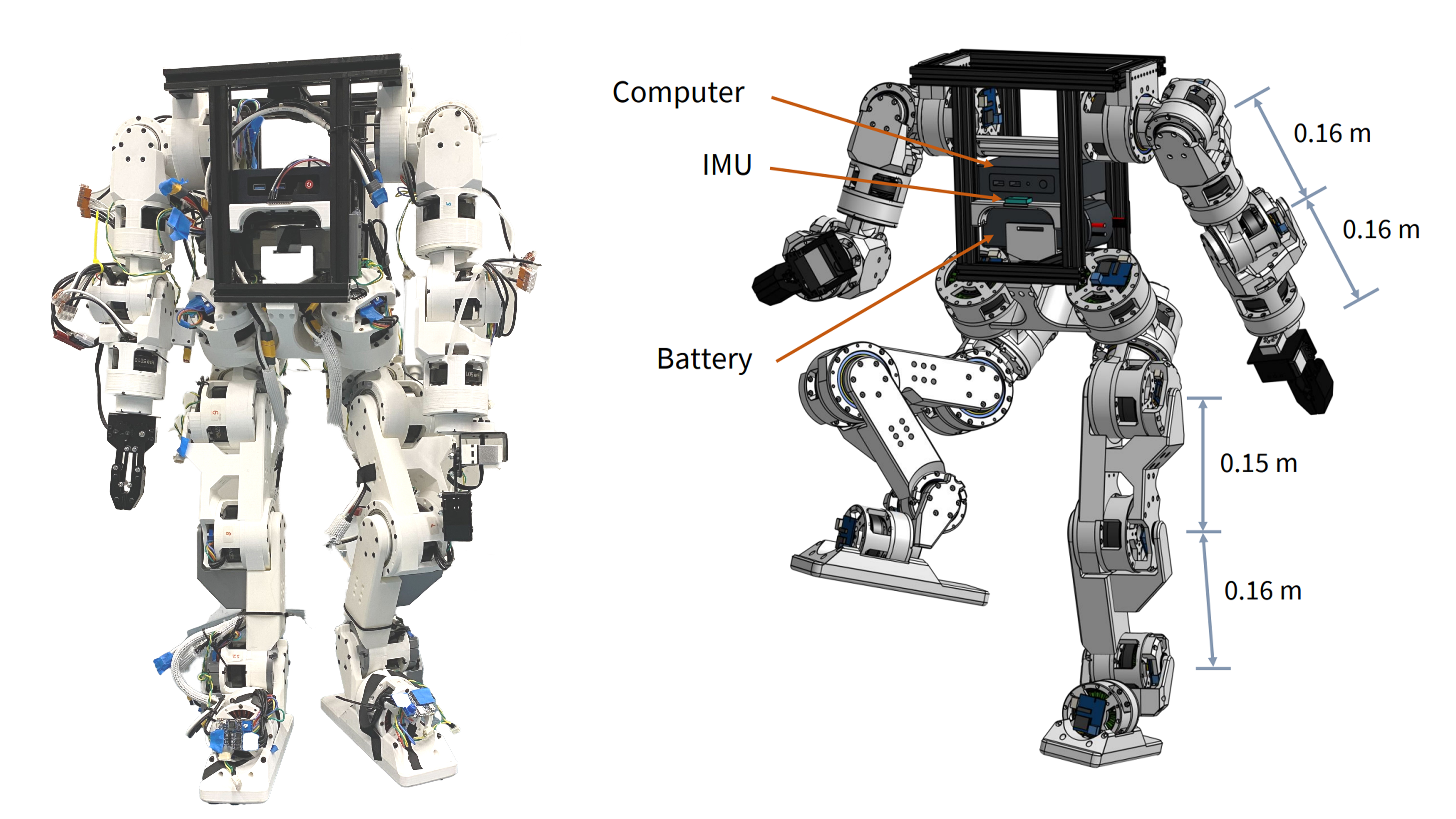
Berkeley Humanoid Lite: Affordable Open-Source Robot with DIY Actuators
Explore the Berkeley Humanoid Lite, a budget-friendly open-source robot featuring 3D-printed actuators under $5,000 USD. Learn how its modular design benefits DIY projects.

Woodstove Safety Monitor: Oru System Alerts Users to Temperature Fluctuations
Discover how the Oru woodstove assistant helps prevent dangerous chimney fires by monitoring exhaust gas temperatures and alerting users to temperature changes.

NES CD Add-On Revives 1980s Gaming with Optical Storage
Explore how a DIY project integrates a CD drive with the NES using an RP2350B microcontroller and Everdrive N8 Pro for expanded storage and audio playback.

Mumbai’s Vile Parle Cypher is giving unheard rappers a voice

Enrich and Ultimo impress

Karnataka CM Signals Review of 5% Park Land Amendment Bill in Assembly

