Flock Safety Halts Controversial Audio 'Distress Detection' Pilot After Backlash
Flock Safety has ended its pilot program for audio 'Distress Detection' in human voices, citing public pressure and civil liberties concerns over surveillance risks.
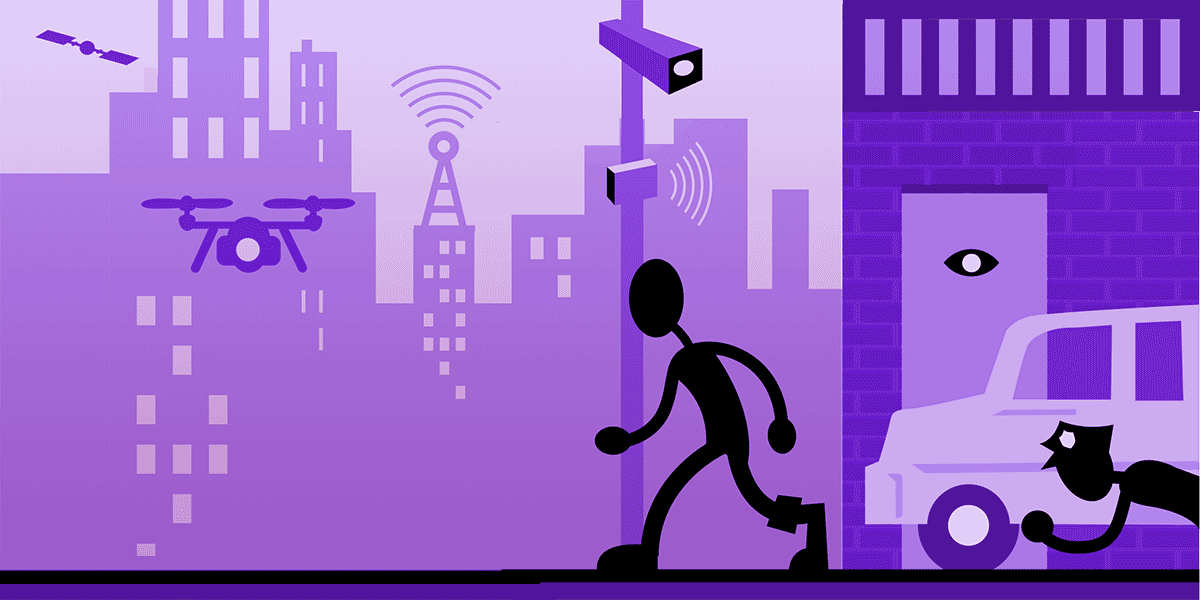
Flock Safety Ends Controversial Audio Surveillance Pilot Following Public Outcry
Flock Safety, a leading provider of automated license plate readers and surveillance technology, has reversed course on its experimental “Distress Detection” feature, which used high-powered microphones to identify sounds of human screaming or distress in public spaces. The company announced the removal of the feature in a recent blog post, marking a significant shift after months of criticism from privacy advocates, including the Electronic Frontier Foundation (EFF).
The surveillance vendor, known for its extensive network of license plate readers deployed in cities across the United States, introduced Distress Detection in late 2025 as an extension of its existing acoustic gunshot detection system, formerly marketed as Flock Raven and now rebranded as Audio Detection. Initially, product advertisements explicitly referenced listening for “screaming,” though Flock later revised its marketing language to use the vaguer term “distress.” The feature was designed to trigger automated alerts to law enforcement when signs of human distress were detected, raising concerns about civil liberties and the potential for police overreaction in non-emergency situations.
Public pressure played a key role in Flock’s decision. The EFF was among several privacy-focused organizations that publicly condemned the technology, citing risks such as unlawful eavesdropping, misuse of police resources, and violations of state wiretapping laws. In response to the backlash, Flock acknowledged the EFF’s concerns in its own communications. The company’s reversal underscores the growing influence of community advocacy in shaping surveillance policy.
Despite this development, Flock’s broader surveillance infrastructure remains in place. Its microphone-equipped devices continue to listen for a range of sounds beyond gunshots, including “community disruption” such as car sideshows and fireworks. The company admits that no acoustic system is perfect, yet law enforcement agencies still deploy these tools in high-stakes situations where accuracy is critical. In Chicago, for example, flawed gunshot detection has previously led to dangerous police responses, including shootings at children setting off fireworks.
The episode highlights broader concerns about mission creep in police surveillance. Historically, technologies like license plate readers have expanded beyond their original purposes, often without public input or oversight. Flock’s Distress Detection feature exemplifies how surveillance tools initially marketed for public safety can quickly evolve into tools for monitoring everyday behavior.
Privacy advocates argue that addressing gun violence and community safety requires systemic solutions—not reactive, unproven technology. They warn that relying on flawed surveillance systems can deepen distrust in law enforcement and divert resources from evidence-based approaches.
Flock’s decision to halt Distress Detection reflects a growing trend of public resistance to invasive surveillance tools. Communities nationwide have successfully pushed back against Flock’s license plate reader contracts, demonstrating that sustained advocacy can influence corporate and legislative decisions. While the removal of Distress Detection is a victory for privacy advocates, it does not eliminate concerns about Flock’s existing surveillance network or the broader implications of audio monitoring in public spaces.
#Surveillance #Privacy #FlockSafety #EFF #GunshotDetection #AudioSurveillance #PoliceTechnology #PublicSafety
Comments (0)
No comments yet — be the first to weigh in.

Energy biz SSE smacked around in court by a guy and AI
An Oxford doctoral student has defeated British energy provider SSE Energy Supply in court after utilizing artificial intelligence models to build his legal def...
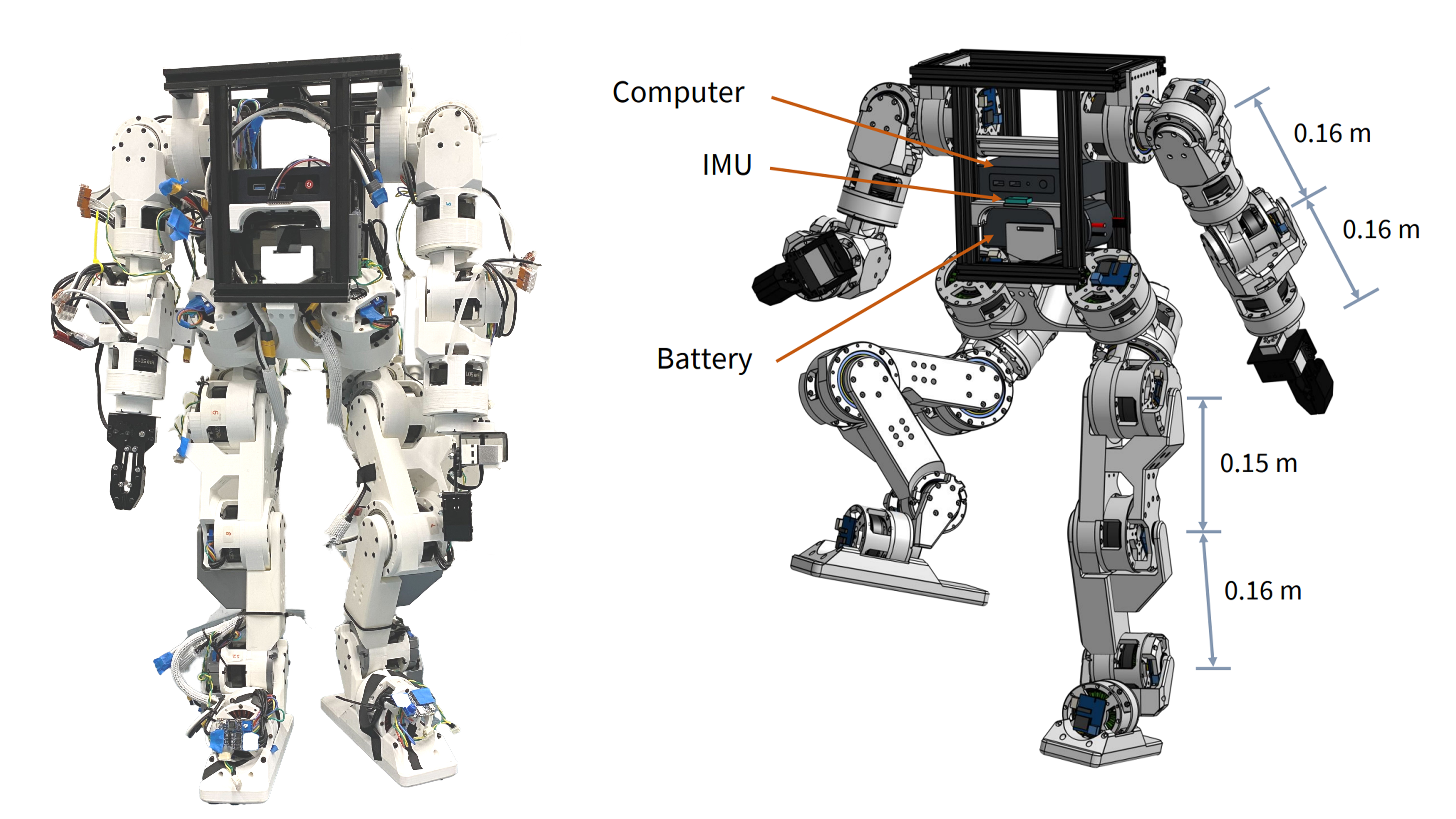
Berkeley Humanoid Lite: Affordable Open-Source Robot with DIY Actuators
Explore the Berkeley Humanoid Lite, a budget-friendly open-source robot featuring 3D-printed actuators under $5,000 USD. Learn how its modular design benefits DIY projects.

Woodstove Safety Monitor: Oru System Alerts Users to Temperature Fluctuations
Discover how the Oru woodstove assistant helps prevent dangerous chimney fires by monitoring exhaust gas temperatures and alerting users to temperature changes.
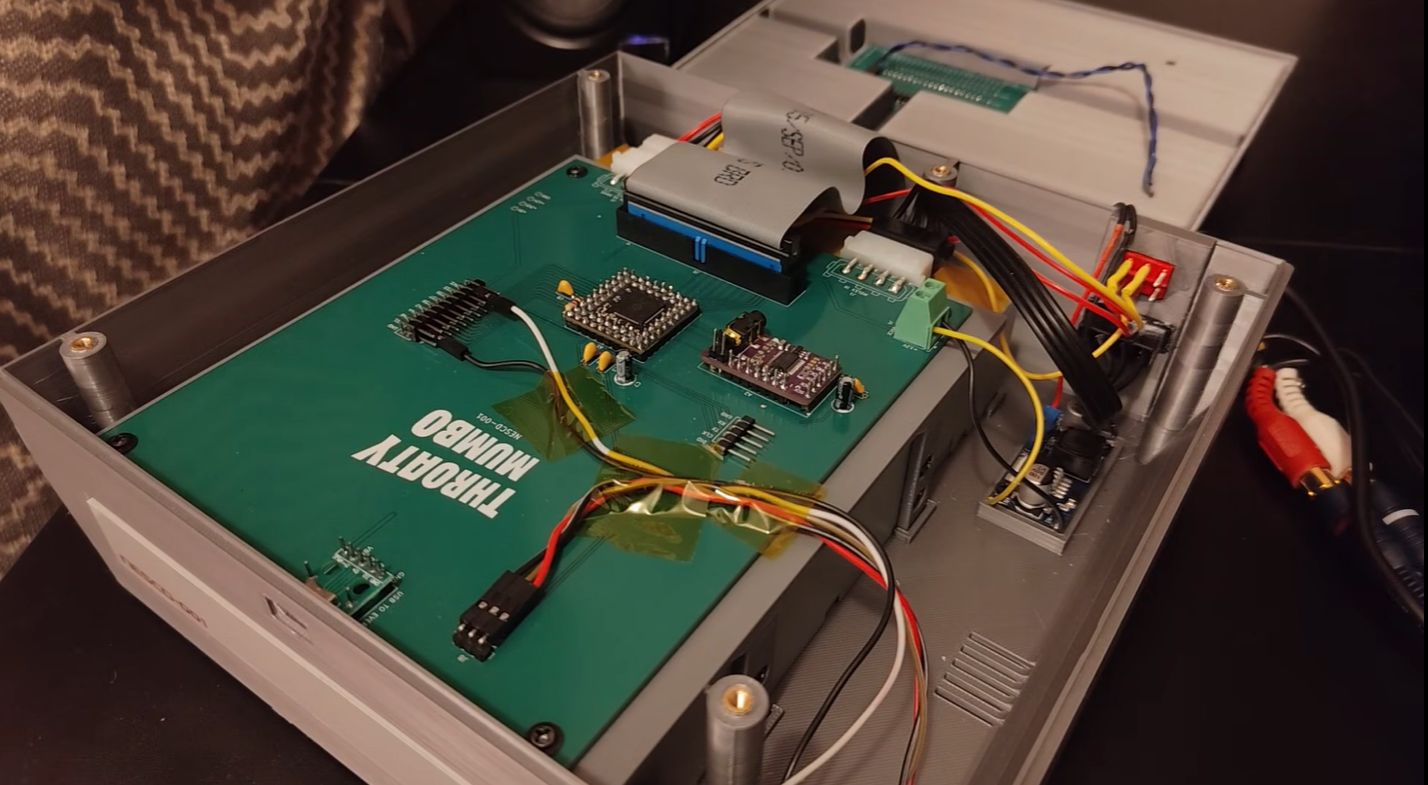
NES CD Add-On Revives 1980s Gaming with Optical Storage
Explore how a DIY project integrates a CD drive with the NES using an RP2350B microcontroller and Everdrive N8 Pro for expanded storage and audio playback.

Mumbai’s Vile Parle Cypher is giving unheard rappers a voice

Enrich and Ultimo impress

Karnataka CM Signals Review of 5% Park Land Amendment Bill in Assembly

