Global AI Experts Question Zuckerberg's 'AI for Everyone' Vision as Inclusive?
Tech leaders criticize Mark Zuckerberg's manifesto on AI equality, citing infrastructure gaps, economic overstatements, and exclusion of marginalized communities.

Global AI experts challenge Meta’s ‘AI for everyone’ vision as critics question feasibility and Meta’s track record
August 10—Meta CEO Mark Zuckerberg published a corporate manifesto titled “The Future for Everyone,” outlining his vision for artificial general intelligence (AGI) and asserting that wider access to AI tools will drive broad-based social and economic progress. The letter emphasizes Meta’s efforts to distribute AI capabilities globally, framing such access as the “path to a positive AI future.”
Six AI researchers and policy analysts from Africa, Latin America, and North America responded to the initiative, questioning whether Meta’s vision aligns with on-the-ground realities. Their remarks were gathered by Rest of World and edited for clarity and length.
Critics highlighted persistent infrastructure gaps in Africa. Kenya recently paused a $1 billion Microsoft-G42 geothermal data center due to national grid constraints, raising concerns about energy reliability. Similar projects, such as Cassava AI’s Nvidia-powered AI facilities in South Africa and Nigeria, risk exacerbating electricity shortages. Chinasa T. Okolo, founder of the policy incubator Technecultura, noted that Meta has overstated the economic benefits of data centers, which often create few permanent jobs and disproportionately benefit foreign operators rather than local communities.
Okolo added that data centers in Africa may intensify environmental and health risks, especially where regulatory oversight is weak. She emphasized the need for open language infrastructure—consent-driven datasets, community-led language digitization, and compute access for local researchers—to ensure AI serves marginalized groups.
Zuckerberg’s vision of “everyone” omits speakers of low-resource languages, shared-device households, and populations with intermittent connectivity. Okolo stressed that without meaningful access in rural areas—reliable electricity, high-speed internet, affordable devices, and digital literacy—AI risks deepening existing inequalities rather than bridging them.
Juan Ortiz-Freuler, co-founder of the Non-Aligned Technologies Movement, observed contradictions in Meta’s stated goals. While the letter appeals to international regulators with calls for transparency and cooperation, he said, it simultaneously positions Meta as a strategic asset for advancing U.S. interests abroad. Ortiz-Freuler warned that Meta’s profit model relies not on building computing infrastructure but on redistributing cognitive labor globally and training centralized models to optimize content curation and user targeting—capabilities it has acknowledged sharing with U.S. government agencies.
Critics also drew parallels to Meta’s historical promises in Africa. More than a decade ago, the company promoted connectivity initiatives aimed at rural women, yet observers note that these efforts culminated in data extraction, labor exploitation, and disinformation without tangible benefits for local populations. Recent controversies—including allegations of silencing critics, retaliating against whistleblowers, suppressing internal research on harm to minors, launching ethically questionable products, and repeated legal violations—further undermine claims of benevolent intent.
Technology policy experts argue that genuine inclusion requires four foundational principles: participation, agency, choice, and trust. While Zuckerberg’s letter addresses participation, analysts say meaningful inclusion demands user agency, transparent data practices, and meaningful avenues for redress when AI systems fail. They caution that trust cannot be assumed; it must be earned through accountability, co-design with affected communities, and robust safeguards tailored to diverse legal and social contexts.
Without such commitments, experts warn, Meta’s vision of “AI for everyone” risks repeating past patterns of extraction and exclusion rather than delivering equitable advancement.
Comments (0)
No comments yet — be the first to weigh in.

Energy biz SSE smacked around in court by a guy and AI
An Oxford doctoral student has defeated British energy provider SSE Energy Supply in court after utilizing artificial intelligence models to build his legal def...
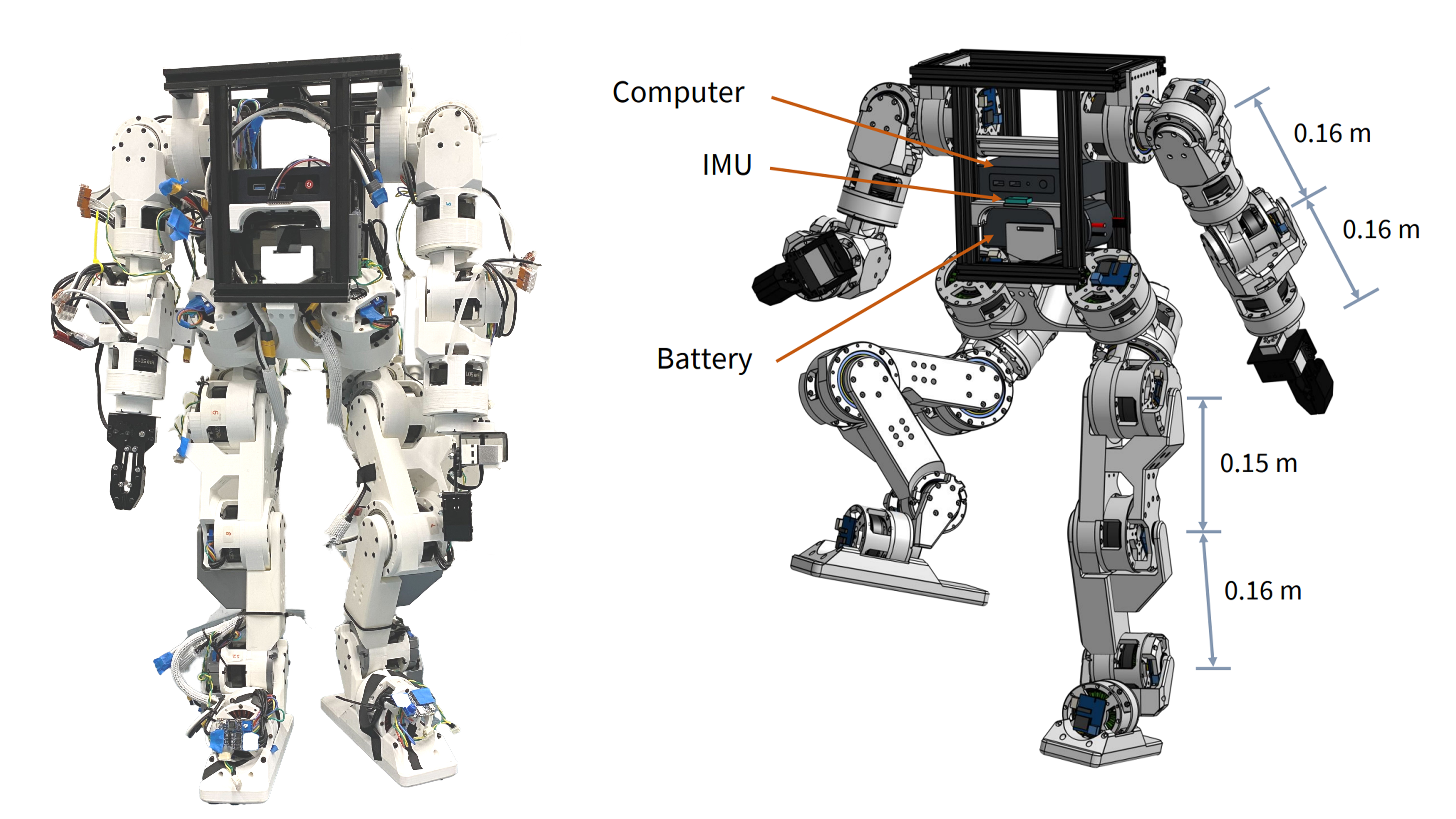
Berkeley Humanoid Lite: Affordable Open-Source Robot with DIY Actuators
Explore the Berkeley Humanoid Lite, a budget-friendly open-source robot featuring 3D-printed actuators under $5,000 USD. Learn how its modular design benefits DIY projects.

Woodstove Safety Monitor: Oru System Alerts Users to Temperature Fluctuations
Discover how the Oru woodstove assistant helps prevent dangerous chimney fires by monitoring exhaust gas temperatures and alerting users to temperature changes.

NES CD Add-On Revives 1980s Gaming with Optical Storage
Explore how a DIY project integrates a CD drive with the NES using an RP2350B microcontroller and Everdrive N8 Pro for expanded storage and audio playback.

Mumbai’s Vile Parle Cypher is giving unheard rappers a voice

Enrich and Ultimo impress

Karnataka CM Signals Review of 5% Park Land Amendment Bill in Assembly

