Heavy Truck Sales Collapsed in Q4; Down 32.5% Year-over-year in December

Heavy truck sales in the United States experienced a significant decline in the fourth quarter of 2025, with December marking a 32.5% year-over-year drop, according to data from the Bureau of Economic Analysis (BEA) analyzed by Calculated Risk. The seasonally adjusted annual rate (SAAR) for heavy truck sales—defined as trucks exceeding 14,000 pounds gross vehicle weight—fell to 311,000 units in December, a sharp contrast to previous years. This downturn underscores broader concerns about economic conditions affecting commercial vehicle demand.
The decline in heavy truck sales reflects broader trends in the transportation and logistics sector. Industry analysts point to rising interest rates, elevated fuel costs, and persistent supply chain disruptions as key factors dampening business investment in fleet expansion. The December SAAR of 311,000 units is well below the five-year average, signaling a cautious approach by freight operators and manufacturers alike.
Historical data from the BEA, tracked by Calculated Risk, shows that heavy truck sales have fluctuated in response to economic cycles. The current downturn follows several years of robust demand, particularly during the post-pandemic recovery when supply chain bottlenecks drove increased freight movement. However, as economic pressures mount, fleets are delaying purchases, leading to a sharp contraction in orders.
Economists warn that sustained weakness in heavy truck sales could signal broader economic headwinds, particularly in industries reliant on just-in-time inventory systems. Retailers, manufacturers, and energy producers often depend on heavy trucks for logistics, making this sector a bellwether for economic activity. The Federal Reserve’s monetary policy, aimed at controlling inflation, may further constrain capital expenditures in the coming months.
The BEA’s latest figures reinforce concerns that the U.S. economy may be slowing more than anticipated. While some sectors, such as services, remain resilient, the heavy truck market’s decline suggests tightening conditions in goods movement and industrial production. Analysts will be closely monitoring January data to determine whether this trend continues or begins to stabilize.
#TruckSales #CommercialVehicles #EconomicIndicators #BEA #SupplyChain #Manufacturing #FreightIndustry #2025Data
Comments (0)
No comments yet — be the first to weigh in.

Free School Uniform Swap Shop Saves Welsh Families £50m Annually
A Cardiff father's school uniform swap shop initiative has grown to 200 schools, helping Welsh families save £50m yearly while promoting sustainability and reducing clothing waste.

Poland, US Explore Permanent Military Bases: Defense Talks Underway
Poland and the US are discussing permanent American military bases in Poland, focusing on defense capabilities rather than troop numbers. Nuclear warheads are not part of the plans.

Taxpayers Lost $65B to Obamacare Fraud in 2024; Feds Crack Down
A Paragon Health Institute report reveals $65 billion in taxpayer losses due to Obamacare and Medicaid fraud in 2024, with improper enrollments rising in 2025.
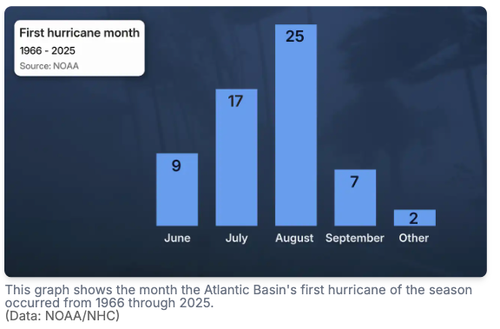
El Niño Delaying 2026 Atlantic Hurricane Season as Dolly Nears Florida
El Niño's wind shear suppresses 2026 Atlantic hurricane activity, delaying first hurricane as Tropical Storm Dolly's remnants approach Florida and the Caribbean.

Mumbai’s Vile Parle Cypher is giving unheard rappers a voice

Enrich and Ultimo impress

Karnataka CM Signals Review of 5% Park Land Amendment Bill in Assembly

