How 'Discrimination' Definition Keeps Expanding Beyond Original Meaning
The evolving definition of 'discrimination' in academia raises concerns about bureaucratic overreach and threats to free speech, as seen in the case of Nathan Cofnas vs. Ghent University.
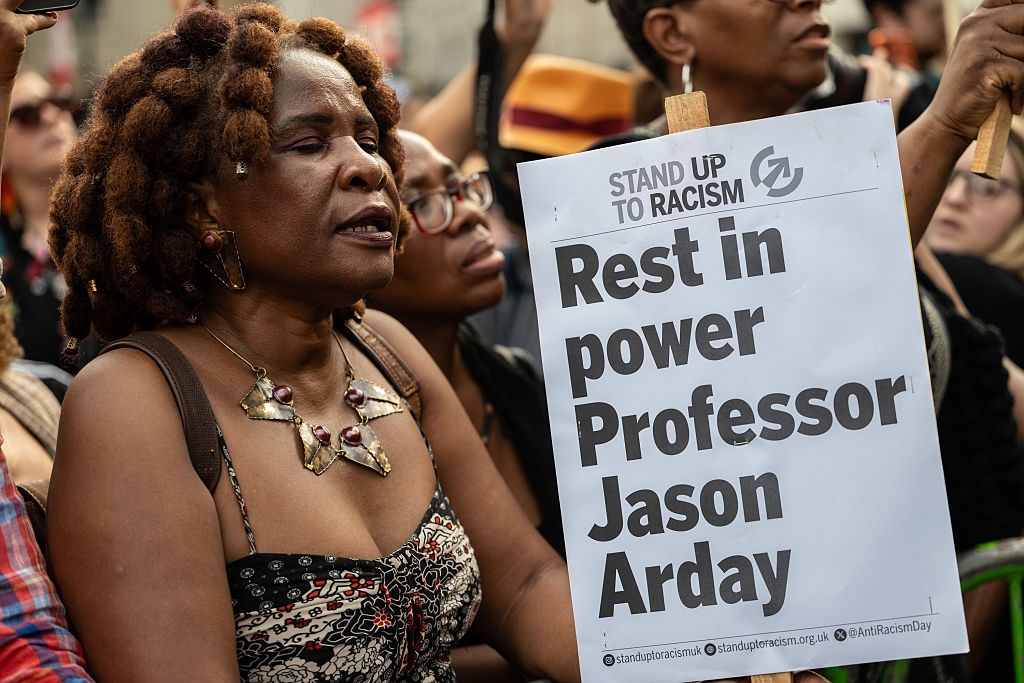
The definition of discrimination in academic and bureaucratic contexts has expanded far beyond its traditional meaning, leading to controversial cases like that of Nathan Cofnas at Ghent University. Cofnas, a scholar whose suspension was recently reviewed, faced allegations tied to his criticism of the late Jason Arday’s academic work, raising questions about the shifting boundaries of acceptable discourse and the enforcement of institutional values.
Ghent University suspended Cofnas in 2023 after he publicly questioned aspects of Arday’s scholarship, including concerns about plagiarism. The suspension, which has since been lifted, sparked debate over whether Cofnas’s actions constituted discrimination or legitimate academic critique. Arday, a prominent professor known for his advocacy in higher education diversity, passed away in 2023, adding complexity to the case.
Critics argue Cofnas’s comments reflected racial bias, though he was not in a position of authority over Arday nor responsible for hiring or firing decisions. In a traditional sense, discrimination implies unjust or prejudicial treatment, yet Cofnas’s role as a commentator did not involve institutional power. The case hinges on whether his statements crossed into discriminatory conduct under modern interpretations, which often conflate criticism with bias.
The crux of the matter lies in the validity of Cofnas’s claims. Investigations into Arday’s work confirmed inaccuracies, which Arday himself acknowledged as mistakes tied to his autism and other challenges. The question then becomes whether pointing out these errors constitutes discrimination or responsible intellectual scrutiny. Academic integrity depends on the ability to challenge flawed research, regardless of the author’s identity, yet some institutions now frame such critiques as discriminatory acts.
The broader implications of this case extend to academic freedom and institutional neutrality. Ghent University’s handling of the case suggests a tension between upholding free inquiry and addressing concerns about systemic bias. If universities prioritize appeasing vocal factions over defending reasoned debate, the precedent could chill future academic discourse. The outcome may reflect a strategic choice to minimize backlash rather than uphold principle.
Theodore Dalrymple, a commentator on cultural and academic issues, frames the debate as a clash between traditional standards of evidence and modern bureaucratic sensitivities. The dispute over Cofnas’s suspension exemplifies wider struggles to define permissible criticism in an era where language and intent are constantly reassessed.
#AcademicFreedom #GhentUniversity #NathanCofnas #JasonArday #Plagiarism #UniversityPolicies #FreeSpeech
Comments (0)
No comments yet — be the first to weigh in.

Middlesbrough's Crime Crisis: Decades of Failed Policies Unleash Chaos
Former Middlesbrough mayor Andy Preston blames decades of lenient crime policies for the town's recent surge in gang violence and lawlessness.

Google Maps Renames Lake Ontario to 'Lake America' Following Trump Order
Google Maps now displays 'Lake America' in the US, replacing 'Lake Ontario' after Trump's executive order amid trade tensions with Canada. Canadians still see the original name.

Pentagon Warns Pentagon Chiefs: Iran War Unsustainable, Threatens U.S. Readiness
Classified assessment reveals Pentagon chiefs warn Defense Secretary Pete Hegseth that the Iran war is unsustainable and drains U.S. military resources and readiness.

Mike Rogers Proposes $50 Copays for Routine Health Screenings, Critics Warn of Risks
Former Congressman Mike Rogers suggests $50 copays for routine screenings, sparking debate over healthcare costs and access. Critics highlight potential risks.

Mumbai’s Vile Parle Cypher is giving unheard rappers a voice

Enrich and Ultimo impress

Karnataka CM Signals Review of 5% Park Land Amendment Bill in Assembly

