How Miami Third Worldism Shaped Trump's Cuba Policy and MAGA Ideology
Explore how Miami's Cuban exile community influenced Trump's Cuba policy, blending Third World grievances with MAGA ideology into a potent force in US foreign relations.
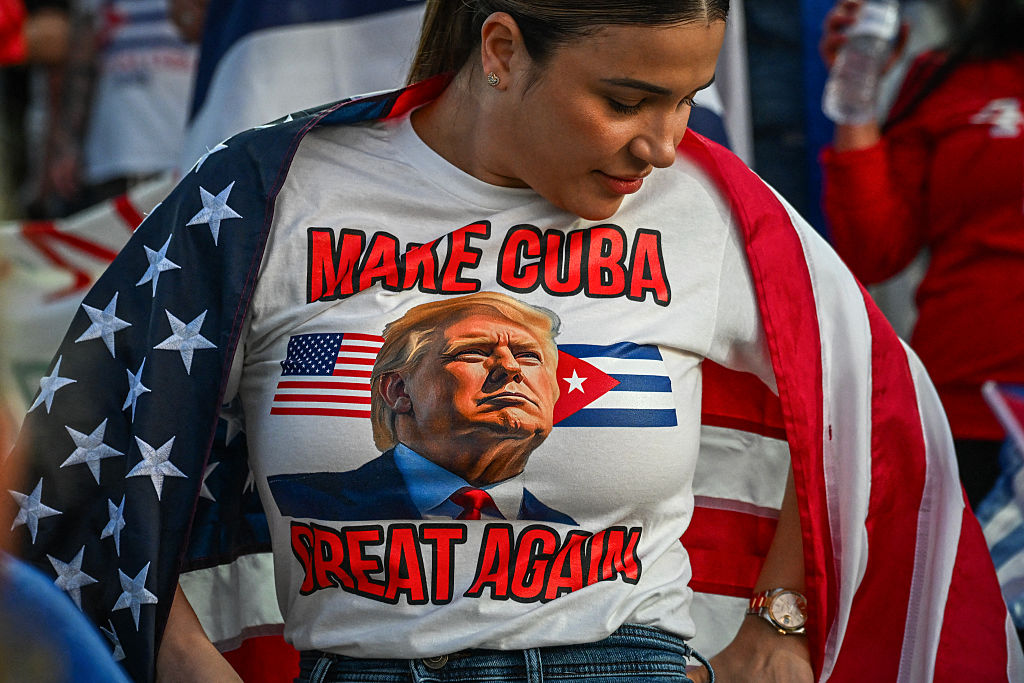
The Trump administration this week imposed new sanctions targeting Cuba's mining, construction, and metals sectors, tightening an economic embargo that has intensified a humanitarian crisis on the island. Despite recent Cuban reforms aimed at attracting private investment, the United States continues to restrict food and oil exports to Havana, worsening shortages that leave most Cubans with less than two hours of daily electricity. Analysts suggest the administration's Cuba policy is driven more by ideological opposition than pragmatic diplomacy.
Behind this hardline stance are Cuban-American exiles in Miami, whose influence on U.S. foreign policy has grown under the Trump administration. Figures like Rep. Mario Diaz-Balart (R-Fla.), businessman Marcell Felipe, and YouTube personality Alex Otaola have shaped a policy that reflects their own grievances rather than broader American interests. Their approach, which some describe as a form of Third Worldism, prioritizes regime change in Cuba over domestic concerns in South Florida, where issues like corruption and political intolerance remain unaddressed.
A recent State Department report, *Cuba: The Capital of 21st-Century Communism*, frames Cuba as an existential threat through its alleged promotion of "Third Worldism"—a concept it claims unites anti-Western movements worldwide. Secretary of State Marco Rubio, a Cuban-American from Miami, has echoed these claims, asserting that Cuba wields outsized influence in espionage and global subversion. Critics argue that such rhetoric exaggerates Cuba's capabilities while ignoring the humanitarian toll of U.S. sanctions.
In Miami-Dade County, where roughly 75% of residents speak Spanish and a quarter lack English proficiency, the political landscape reflects deep divisions. Miami has seen scandals involving fraudulent building inspections, corrupt city officials, and even violent plots by private citizens—including the 2021 assassination of Haitian President Jovenel Moïse. Yet many in the Cuban-American community remain staunch Trump supporters, despite their own struggles with assimilation and cultural integration.
Alex Otaola, a prominent Miami-based commentator, exemplifies this paradox. His daily YouTube show, *¡Hola Otaola!*, blends anti-communist rhetoric with ads for plastic surgery and real estate, amassing a large following. Though he ran unsuccessfully for Miami-Dade mayor in 2024, his influence persists, particularly among hardline conservatives. His tactics, including boycotting Cuban artists and disrupting academic events, have drawn comparisons to the repression seen in Havana.
The ideological underpinnings of Miami neoconservatism extend beyond Cuba. Figures like Marcell Felipe, who spoke at the 2021 National Conservatism Conference, argue that Cuba has adapted Marxism into a broader cultural threat. This perspective aligns with broader MAGA narratives about "cultural Marxism," despite its tenuous connection to actual Cuban policy.
As U.S.-Cuba tensions escalate, the debate over sanctions and influence operations continues. Critics question why an "America First" administration would prioritize ideological battles abroad over domestic crises at home. Meanwhile, in Miami, the fusion of exile politics and MAGA ideology shows no signs of fading.
#CubaSanctions #MiamiPolitics #MarcoRubio #AlexOtaola #CubanExiles #USCubaRelations #TrumpAdministration #SouthFlorida
Comments (0)
No comments yet — be the first to weigh in.

Middlesbrough's Crime Crisis: Decades of Failed Policies Unleash Chaos
Former Middlesbrough mayor Andy Preston blames decades of lenient crime policies for the town's recent surge in gang violence and lawlessness.

Google Maps Renames Lake Ontario to 'Lake America' Following Trump Order
Google Maps now displays 'Lake America' in the US, replacing 'Lake Ontario' after Trump's executive order amid trade tensions with Canada. Canadians still see the original name.

Pentagon Warns Pentagon Chiefs: Iran War Unsustainable, Threatens U.S. Readiness
Classified assessment reveals Pentagon chiefs warn Defense Secretary Pete Hegseth that the Iran war is unsustainable and drains U.S. military resources and readiness.

Mike Rogers Proposes $50 Copays for Routine Health Screenings, Critics Warn of Risks
Former Congressman Mike Rogers suggests $50 copays for routine screenings, sparking debate over healthcare costs and access. Critics highlight potential risks.

Mumbai’s Vile Parle Cypher is giving unheard rappers a voice

Enrich and Ultimo impress

Karnataka CM Signals Review of 5% Park Land Amendment Bill in Assembly

