How Mobile Apps Secretly Track Your Location Data Risks
New EFF report reveals how ad libraries in mobile apps compromise user location privacy without developers' knowledge.
The Electronic Frontier Foundation (EFF) has released a report examining how ad libraries in mobile applications may unintentionally expose users' location data to third parties, including advertisers. The findings highlight concerns about the collection and monetization of sensitive location information without adequate transparency or user consent.
According to the EFF, location data is not merely a digital marker on a map but can reveal deeply personal aspects of an individual’s life, such as their home, workplace, health conditions, or religious affiliations. The commercial value of this data has led to a multibillion-dollar industry, where advertisers and data brokers trade in user movements for targeted advertising and analytics.
The EFF’s investigation, detailed in its latest report, suggests that many app developers may be unaware that their applications are transmitting location data to third-party ad networks. This occurs through embedded software development kits (SDKs) or ad libraries that collect and share user information as part of their standard operations. The EFF warns that this practice could violate user expectations of privacy, particularly when location tracking is not clearly disclosed in app permissions or privacy policies.
In addition to the report, the latest issue of EFFector, the organization’s longstanding newsletter, covers recent legislative developments, including privacy-invasive proposals advancing in the U.S. Senate. The newsletter also features an interview with EFF Executive Director Nicole Ozer, discussing the growing importance of digital rights in everyday life.
EFFector has expanded its reach by making the newsletter content available as a podcast on major audio platforms, offering an alternative format for audiences to engage with the material. The podcast episode delves into the findings of the ad library investigation and explores broader themes in digital rights advocacy.
For those concerned about privacy protections, the EFF encourages readers to subscribe to its EFFector newsletter for updates and actionable insights. The organization also invites supporters to contribute financially to its efforts in defending digital privacy and free speech online.
The EFF has been a leading voice in digital rights advocacy for over 35 years, providing analysis on the intersection of technology, civil liberties, and law. Its latest report underscores the need for greater scrutiny of data collection practices in mobile applications and stronger safeguards to protect user privacy.
Comments (0)
No comments yet — be the first to weigh in.

Energy biz SSE smacked around in court by a guy and AI
An Oxford doctoral student has defeated British energy provider SSE Energy Supply in court after utilizing artificial intelligence models to build his legal def...
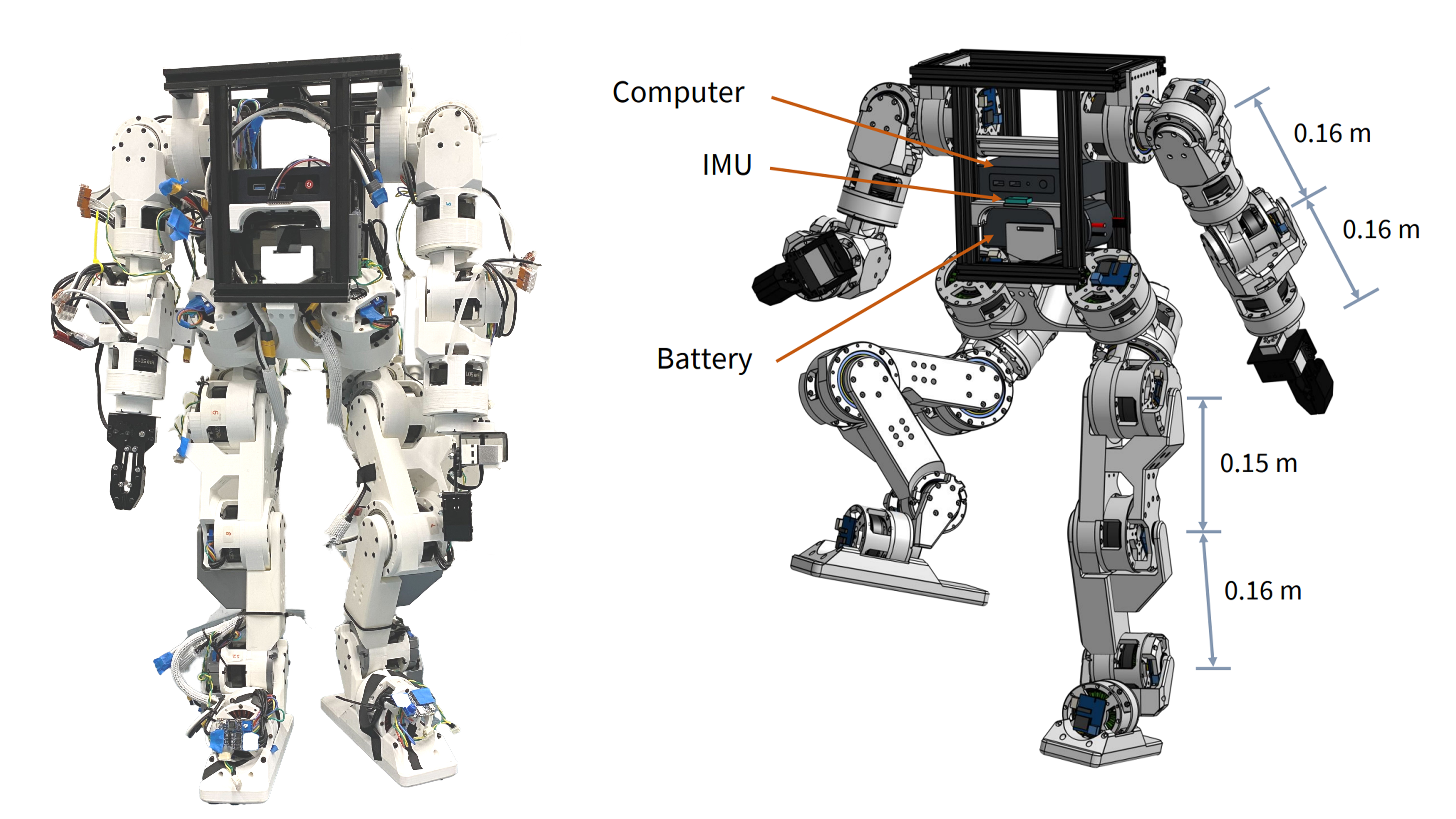
Berkeley Humanoid Lite: Affordable Open-Source Robot with DIY Actuators
Explore the Berkeley Humanoid Lite, a budget-friendly open-source robot featuring 3D-printed actuators under $5,000 USD. Learn how its modular design benefits DIY projects.

Woodstove Safety Monitor: Oru System Alerts Users to Temperature Fluctuations
Discover how the Oru woodstove assistant helps prevent dangerous chimney fires by monitoring exhaust gas temperatures and alerting users to temperature changes.

NES CD Add-On Revives 1980s Gaming with Optical Storage
Explore how a DIY project integrates a CD drive with the NES using an RP2350B microcontroller and Everdrive N8 Pro for expanded storage and audio playback.

Mumbai’s Vile Parle Cypher is giving unheard rappers a voice

Enrich and Ultimo impress

Karnataka CM Signals Review of 5% Park Land Amendment Bill in Assembly

