Hungary's Bee Population Threatened by Drought, Beekeepers Warn for 2027
Prolonged drought and heatwaves have devastated Hungary’s pollen supply, endangering up to 80% of bee colonies and threatening honey production and crop pollination for farmers.
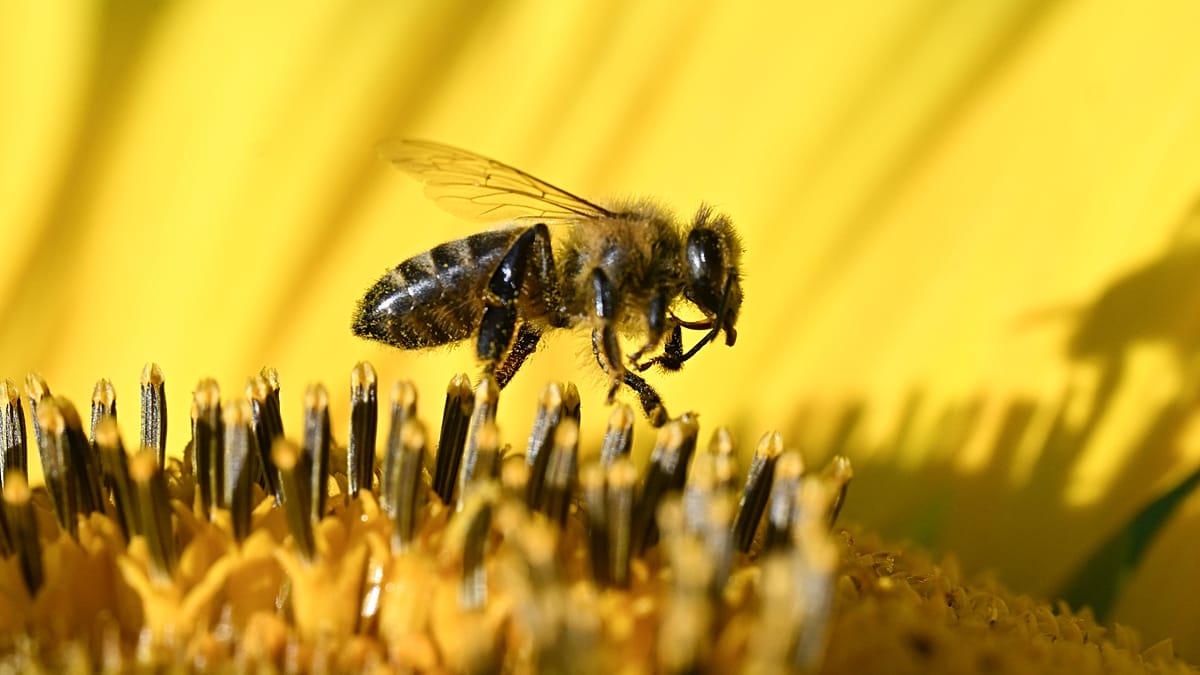
Hungary’s beekeeping sector is sounding the alarm over a severe pollen shortage threatening up to 80% of the country’s bee population, as prolonged drought and extreme heat have destroyed natural sources of nectar and pollen.
The National Hungarian Beekeeping Association (Országos Magyar Méhészeti Egyesület, OMME) has warned that the lack of pollen, a vital protein source for bee colonies, could lead to significant colony losses by spring 2027. The crisis has forced OMME to alert Szabolcs Bóna, Hungary’s minister responsible for agriculture and food policy, citing the unprecedented scale of bee starvation in the country.
Pollen is essential for raising young bees and ensuring healthy colony development. Without it, honey production declines and winter survival rates drop sharply. This year, around 80% of Hungary’s bees have struggled to find adequate natural pollen, as drought conditions have dried up even damp areas and riverbanks that typically provide late-summer forage. The scarcity of water and nectar forces bees to fly farther, depleting their energy and increasing mortality rates.
The situation also raises concerns about colony stability. Insufficient nectar can trigger aggressive behavior within hives, further reducing bee survival. OMME has emphasized that the current pollen deficit will have long-term consequences, affecting whether colonies survive the winter, recover in spring, and produce honey in 2025.
Because many beekeepers may fail to meet national colony maintenance requirements due to these losses, OMME has requested that authorities consider the extreme weather conditions and exceptional circumstances when enforcing regulations. The association is urging the government not to penalize beekeepers for losses they cannot control.
The crisis reflects broader environmental challenges in Hungary, where drought and heatwaves have already devastated agriculture and wildlife. Earlier this year, reports highlighted mass fish deaths at one of Hungary’s largest fish farms, underscoring the widespread impact of climate-related disasters.
#HungaryBeeCrisis #BeePopulationDecline #HungarianBeekeepers #OMME #AgricultureHungary #PollenShortage #ClimateImpact
Comments (0)
No comments yet — be the first to weigh in.

TAP ends first half with almost €100 million loss amid rising fuel costs
Portuguese national airline TAP Air Portugal posted a net loss of 99.2 million euros in the first half of the year, driven largely by surging jet fuel costs lin...

"Never done before": meteorologist on MTG-I2 leap to predict disasters
The European Space Agency and Eumetsat have launched the Meteosat Third Generation Imager-2 (MTG-I2) satellite, marking a significant advancement in weather for...

EU Climate Chief Warns China Dependence Raises Green Transition Costs
EU Climate Chief Wopke Hoekstra warns that Europe's reliance on China for clean energy tech could prolong strategic vulnerabilities and inflate costs during the green transition.

Iran fires retaliatory strikes following US attacks on Larak island in the Strait of Hormuz
US military strikes Iranian targets in Strait of Hormuz, prompting retaliatory Iranian missile attacks on US bases in Jordan The United States launched precisio...

Mumbai’s Vile Parle Cypher is giving unheard rappers a voice

Enrich and Ultimo impress

Karnataka CM Signals Review of 5% Park Land Amendment Bill in Assembly

