India rejects Court of Arbitration's Indus Waters Treaty award: ‘Illegally constituted, has no jurisdiction’
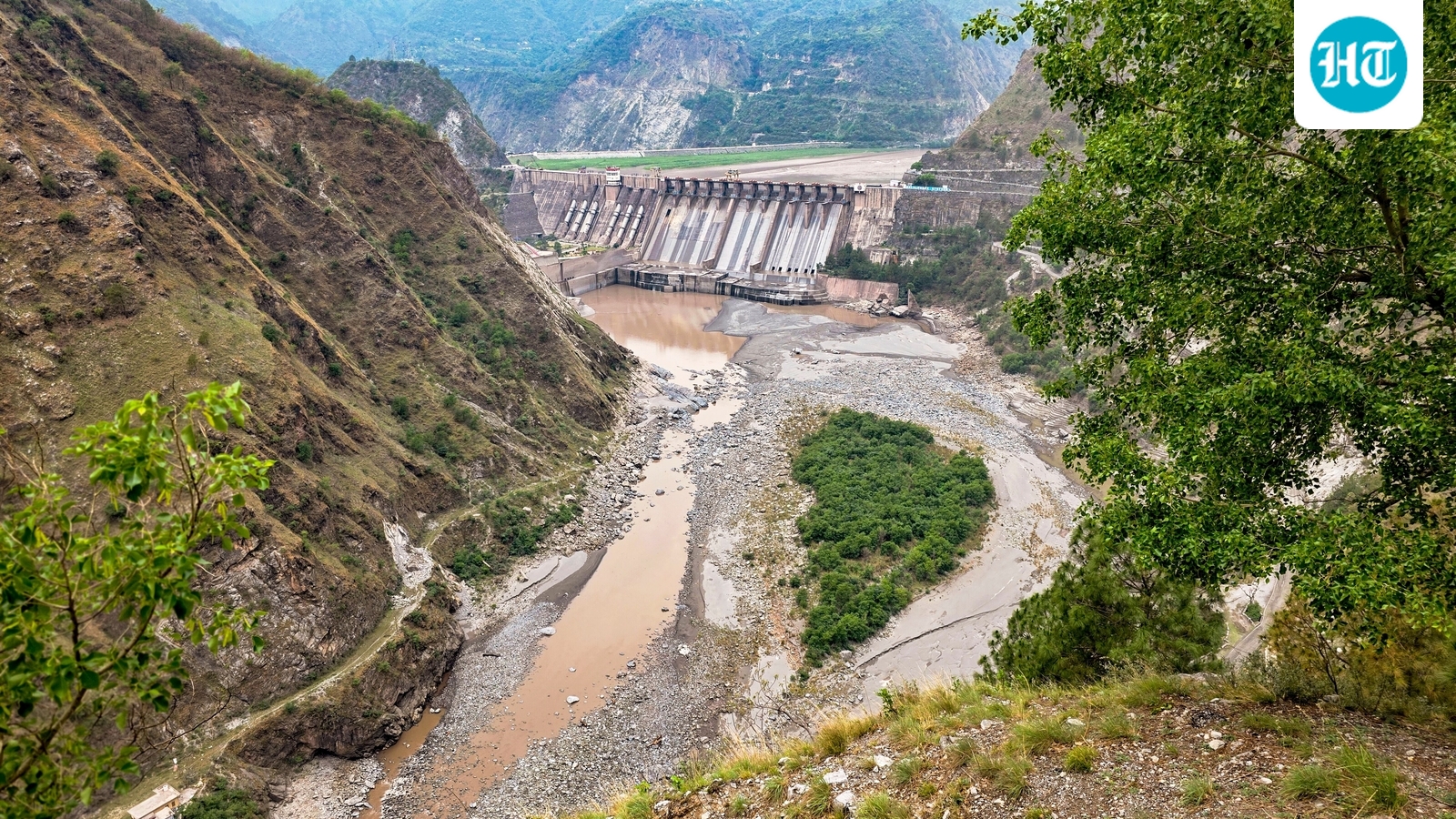
India on Monday firmly rejected an order from the Permanent Court of Arbitration (PCA) in The Hague regarding the Indus Waters Treaty, asserting that the tribunal lacks jurisdiction and was improperly constituted. The Ministry of External Affairs stated that India’s decision to suspend the 1960 treaty remains in effect, following a series of punitive measures announced in April 2025 in response to the Pahalgam terror attack, which India attributed to a Pakistan-based militant group. Pakistan had approached the PCA earlier this year seeking legal determination on the treaty’s status after India suspended it.
The Indian government described the PCA’s ruling as legally invalid, emphasizing that it has never recognized the tribunal. In a formal statement, the ministry called the court “illegally constituted” and accused the World Bank of breaching the treaty’s terms by facilitating its formation. “India categorically rejects the so-called award issued by this body,” the statement read, reiterating that New Delhi has never participated in the tribunal’s proceedings and does not consider its decisions binding.
The PCA, however, ruled that the Indus Waters Treaty remains fully in force and that India must comply with its obligations, including restrictions on the Ratle hydroelectric project in Jammu and Kashmir. In a unanimous decision, the tribunal prohibited India from concreting certain parts of the dam until a neutral expert issues a final ruling expected in July 2027. The court also declined to grant Pakistan’s request for India to bear the risk of dismantling the project or to return to full compliance pending the tribunal’s decision.
The dispute centers on India’s construction of hydroelectric projects on the western rivers—Indus, Jhelum, and Chenab—allocated to Pakistan under the treaty. Pakistan had initially sought resolution through a neutral expert in 2015 but later withdrew that request and pursued arbitration. The PCA acknowledged India’s position that cross-border terrorism by Pakistan-based groups had hindered its use of treaty rights but found that such allegations did not constitute a material breach of the agreement.
The PCA’s five-member tribunal, chaired by Sean D. Murphy of the United States, included experts from Belgium, Jordan, Australia, and the U.S. While India did not participate formally in the arbitration, the court said it considered India’s public statements and diplomatic communications in its deliberations. The tribunal also noted ongoing proceedings before a neutral expert regarding the Kishenganga and Ratle projects, with a final decision anticipated by mid-2027.
The Indus Waters Treaty, brokered by the World Bank in 1960, divides the waters of the Indus River system between India and Pakistan, with Pakistan controlling the western rivers and India the eastern ones. The treaty has long been a flashpoint amid broader tensions between the two nuclear-armed neighbors.
#IndusWatersTreaty #IndiaPakistan #PermanentCourtOfArbitration #RatleProject #JammuAndKashmir #WaterDispute #HydroelectricProjects
Comments (0)
No comments yet — be the first to weigh in.

Mumbai’s Vile Parle Cypher is giving unheard rappers a voice
A new documentary streaming on YouTube sheds light on the Vile Parle Cypher, a grassroots hip-hop collective giving a platform to unheard street artists and gig...

Enrich and Ultimo impress
Racehorses Enrich and Ultimo Impress in Tuesday Morning Workouts at Bengaluru Turf Club BENGALURU, Sept 1 – Two rising stars in India’s horse racing circuit, En...

Karnataka CM Signals Review of 5% Park Land Amendment Bill in Assembly
Karnataka Chief Minister D.K. Shivakumar says the controversial 5% park land amendment bill can be re‑examined in the Assembly after protests over Lalbagh land use.

When an organisation deviates from its values, faith of those associated with its ideology is shattered: Kaushal Kishore
Former Union Minister and senior Bharatiya Janata Party (BJP) leader Kaushal Kishore suggested on September 1, 2026, that organizations risk losing public trust...
Mumbai’s Vile Parle Cypher is giving unheard rappers a voice
Enrich and Ultimo impress
Karnataka CM Signals Review of 5% Park Land Amendment Bill in Assembly
