Indonesia’s Nickel Cuts Aim to Sustainability, But Challenges Remain
Indonesia’s 40% nickel production cuts aim to boost prices and sustainability, but environmental damage, coal reliance, and uneven benefits persist despite stricter quotas.

Indonesia, the world’s largest nickel producer supplying about 60 percent of global demand, has cut extraction quotas by roughly 40 percent for 2026 in an effort to stabilize falling prices and push the industry toward higher-value, lower-carbon production. The move has halted operations at Weda Bay, the planet’s biggest nickel mine, which used up its annual quota by late May and cannot resume large-scale mining until 2027 without special permission.
The policy shift has intensified debate in Jakarta about how to move beyond a decade of high-volume, low-cost nickel mining toward cleaner, more sustainable supply chains. Indonesia’s smelters remain powered largely by coal, and critics argue that production caps alone will not solve environmental damage or ensure that local communities benefit economically.
Quotas were introduced after nickel prices collapsed by more than 40 percent in 2023, reaching a four-year low of about $13,900 per ton in late 2025. Since the cuts took effect, prices have rebounded to $20,000 per ton, meeting the policy’s immediate goal. But Chinese investors, who have sunk billions into Indonesian nickel processing plants, warned President Prabowo Subianto in May that the restrictions risked $50 billion in stranded assets.
Environmental enforcement has tightened alongside the quota cuts. Between January and mid-2025, Indonesia’s forestry task force seized more than four million hectares from illegal mines and plantations in protected forests, fining operators over two trillion rupiah. Weda Bay itself lost 148 hectares for lacking a forestry permit, and the share of nickel produced from illegal small-scale mining fell from about 25 percent in 2022 to roughly 10 percent by 2024.
Yet serious environmental harm persists. In June 2025, a waste pond collapsed on Obi Island after heavy rains, flooding three villages and killing one resident. Company tests later found chromium-6, a carcinogen, in water supplies at levels far above legal limits. Near Raja Ampat, home to some of the world’s richest coral reefs, one mine’s footprint expanded 60-fold in just eight years.
Market signals are beginning to reward cleaner production. Low-carbon nickel now commands a premium of about $18,800 to $19,300 per ton compared with $17,900 to $18,300 for conventional material, as automakers seek compliance with the European Union’s stricter emissions rules for battery imports. Vale Indonesia’s smelter in South Sulawesi now runs almost entirely on hydropower.
Still, coal remains the dominant energy source for Indonesia’s nickel industry, which emitted an estimated 15 million metric tons of greenhouse gases in 2023. Analysts say production cuts must be paired with stronger environmental enforcement, fair revenue sharing, and a credible transition away from coal-powered smelting if Indonesia is to realize the full benefits of its nickel wealth.
Economic gains have not reached everyone. In Konawe, Southeast Sulawesi, a major smelting hub, district-level growth surged from 6 percent to 22 percent between 2015 and 2023, yet poverty increased slightly and unemployment remained flat. In Halmahera, the poorest fifth of households saw just a 5 percent rise in spending from 2019 to 2022, compared with 28 percent for the wealthiest fifth. Weak royalty systems and delayed payments have left local governments struggling to manage mining impacts despite formal rights to a larger share of revenues.
Indonesia’s right to set extraction limits is undisputed, but experts say lasting change requires consistent enforcement, transparent revenue flows, and a clear strategy to decarbonize processing.
#IndonesiaNickel #NickelProduction #WedaBay #ElectricVehicleBatteries #SustainableMining #CoalPhaseOut #PrabowoSubianto #CenterForEconomicAndLawStudies
Comments (0)
No comments yet — be the first to weigh in.

Bentley Torcal: First All-Electric SUV Unveiling & Price Details
Bentley Motors will unveil its first all-electric SUV, the Torcal, on September 23. Discover pricing, features, and how it compares to competitors in the luxury EV market.
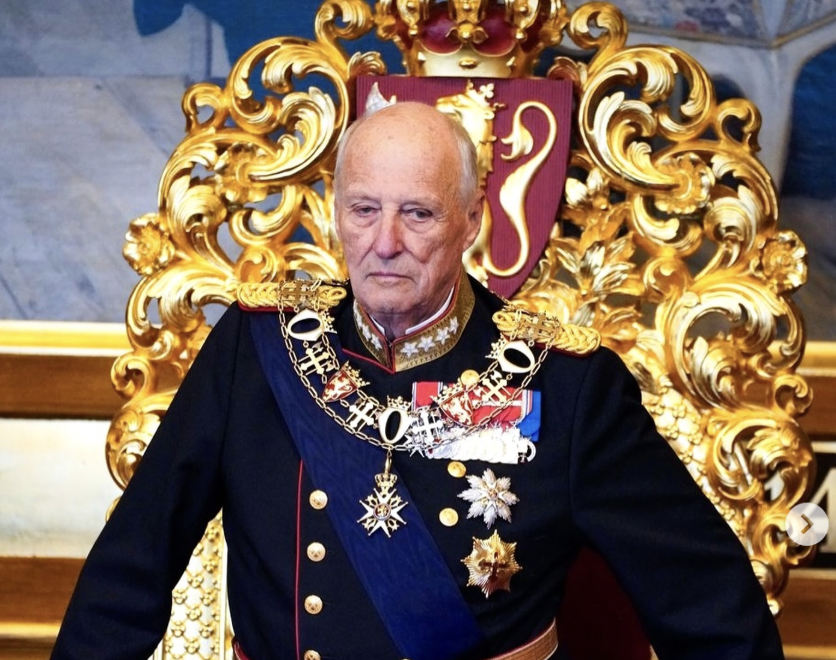
How King Harald V of Norway quietly led the world in clean tech adoption
King Harald V of Norway passed away in 2026 after a 35-year reign marked by stealth advocacy for clean technology, particularly electric vehicles, without political interference.
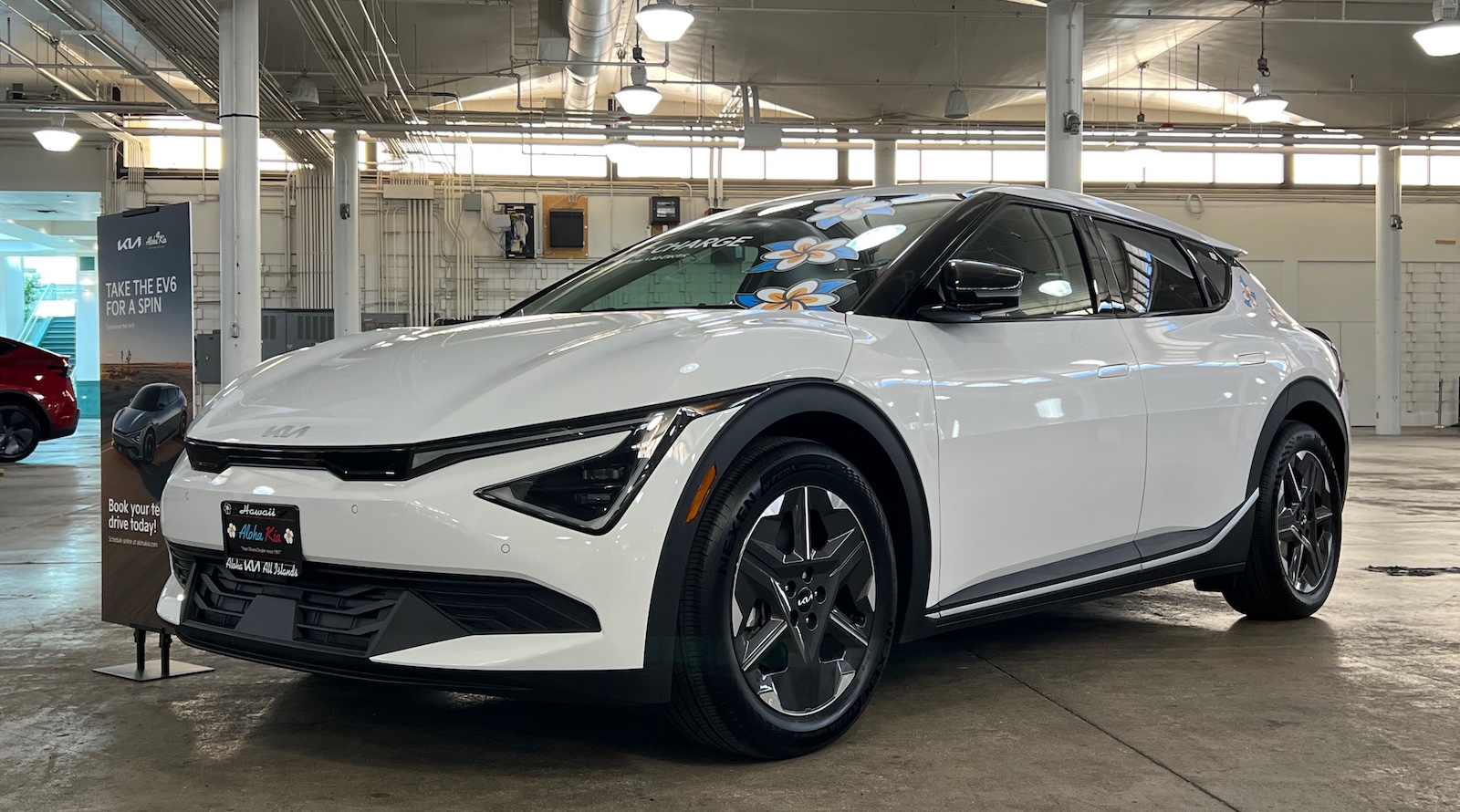
Why Gas Cars Could Be Worth Less Than Zero by 2031 in the US
Analyzing how cheap used EVs may make gasoline cars uneconomical in the US by 2031, with insights from Norway and China's used-car markets.

XPeng Advances AI Tech with VLA 2.0 Upgrade & Robotaxi Progress
XPeng's latest VLA 2.0 upgrade enhances intelligent driving with 4D perception, 20x safety boost, and voice-controlled robotaxis. Discover XPeng's AI advancements.

Mumbai’s Vile Parle Cypher is giving unheard rappers a voice

Enrich and Ultimo impress

Karnataka CM Signals Review of 5% Park Land Amendment Bill in Assembly

