Inflation Refuses to Go Back into the Bottle: Fed-Favored PCE Price Index
The Federal Reserve’s preferred inflation measure showed persistent price pressures in July, with core services continuing to drive overall inflation above the central bank’s 2% target.
The core Personal Consumption Expenditures (PCE) price index, which excludes food and energy, rose 0.25% from June, translating to a 3.0% annualized increase. Year-over-year, it climbed 3.35%, matching June’s rise—the steepest four-month stretch since October 2023. Since March 2021, the core PCE index has remained above the Fed’s target, reaching a low of 2.6% in April 2025 before trending upward again.
The broader PCE price index, which includes all goods and services, increased 0.16% month-over-month (+1.9% annualized) and 3.7% year-over-year—unchanged from June. Inflation over the past five months has been the highest since March 2023, further distancing itself from the Fed’s 2% goal.
Core services, which account for over 60% of consumer spending, rose 0.27% from June (+3.3% annualized) and 3.7% year-over-year. This category—encompassing rent, healthcare, transportation, and financial services—has proven stubbornly inflationary due to limited consumer bargaining power in many sectors.
Durable goods prices jumped 0.37% month-over-month (+4.6% annualized) and 3.4% year-over-year. While some categories saw price declines, others experienced sharp increases. Food prices edged down in July after June’s surge but remained 2.4% higher than a year ago, with notable rises in coffee, sugar, and fresh seafood prices. Egg prices continued to decline following earlier spikes.
Energy prices fell 1.5% from June, marking the second consecutive monthly drop after prior increases. However, they remained 15.3% higher than a year ago, with gasoline prices up 25% over the same period.
The data suggests inflation remains entrenched, particularly in services, complicating the Fed’s efforts to achieve its 2% target. While some price declines in food and energy offer minor relief, broader inflationary trends show little sign of easing.
Comments (0)
No comments yet — be the first to weigh in.

Free School Uniform Swap Shop Saves Welsh Families £50m Annually
A Cardiff father's school uniform swap shop initiative has grown to 200 schools, helping Welsh families save £50m yearly while promoting sustainability and reducing clothing waste.

Poland, US Explore Permanent Military Bases: Defense Talks Underway
Poland and the US are discussing permanent American military bases in Poland, focusing on defense capabilities rather than troop numbers. Nuclear warheads are not part of the plans.

Taxpayers Lost $65B to Obamacare Fraud in 2024; Feds Crack Down
A Paragon Health Institute report reveals $65 billion in taxpayer losses due to Obamacare and Medicaid fraud in 2024, with improper enrollments rising in 2025.
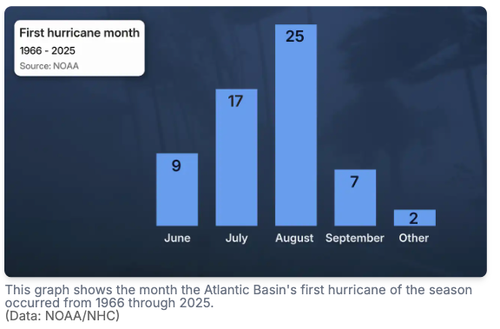
El Niño Delaying 2026 Atlantic Hurricane Season as Dolly Nears Florida
El Niño's wind shear suppresses 2026 Atlantic hurricane activity, delaying first hurricane as Tropical Storm Dolly's remnants approach Florida and the Caribbean.

Mumbai’s Vile Parle Cypher is giving unheard rappers a voice

Enrich and Ultimo impress

Karnataka CM Signals Review of 5% Park Land Amendment Bill in Assembly

