Inside Kourou: how a satellite is readied to watch Europe's skies and prevent natural disasters
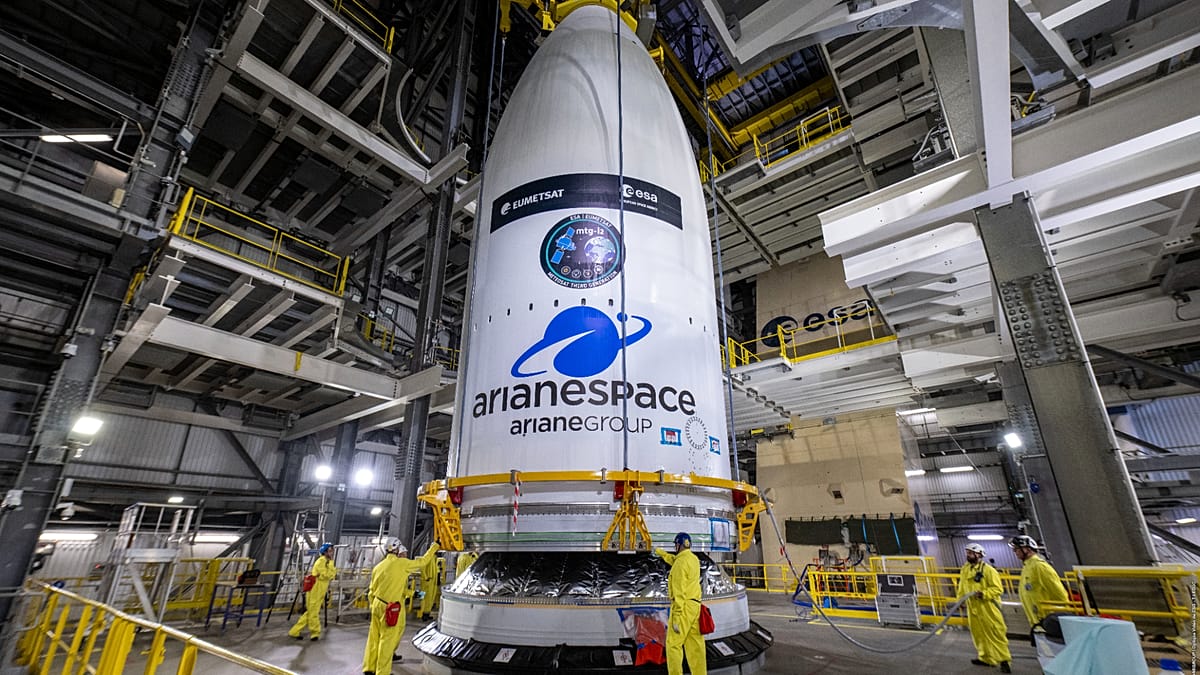
Europe’s new weather satellite reached orbit aboard an Ariane 6 rocket this month, marking a major step forward for the continent’s space programme and disaster-prevention capabilities. The flight was executed from Europe’s Spaceport in Kourou, French Guiana, where teams from ArianeGroup, Arianespace, CNES, Eumetsat, ESA and Thales Alenia Space completed final preparations. The satellite, MTG-I2, is designed to map Earth’s surface in near real time, helping European agencies detect floods, wildfires and other hazards faster than ever before.
The launch campaign began with the arrival of Ariane 6’s core and upper stages in Kourou aboard Canopée, a purpose-built cargo vessel fitted with large sails to reduce fuel consumption during the transatlantic crossing. The rocket’s two solid-fuel boosters were manufactured locally at the Regulus and Europropulsion plants, streamlining assembly once all components reached the launch site. According to engineers, this split manufacturing process allows each stage to arrive in Guiana fully tested, cutting on-site work to just seven to nine days.
Ariane 6’s assembly takes place horizontally in a dedicated facility at the spaceport. Guided vehicles position the core and upper stages with millimetre-level precision before technicians join them. The facility operates two parallel assembly lines, enabling teams to begin work on the next rocket as soon as the previous one leaves for the pad. Programme officials aim to reach nine to ten launches per year by 2027, a significant increase in cadence compared with Ariane 5.
The satellite integration process was especially sensitive. MTG-I2, an advanced meteorological observation instrument, requires an ultra-clean environment to protect its optical systems from contamination. The encapsulation building in Kourou uses filtered air, temperature control and even light traps to prevent insects or birds from entering during night-time transfers. Technicians must also ensure the satellite remains contamination-free once sealed inside the rocket’s fairing.
Final countdown operations shifted to the Júpiter control room at CNES headquarters in Kourou, where launch operations director Maxime André coordinated safety, telemetry and tracking systems. Teams monitored the satellite’s control centre four kilometres away, confirming each system remained nominal up to the final minutes. Weather monitoring remained critical, with meteorologist François Laforge and flight safety engineer Leonard Bouchaillot tracking lightning and wind conditions within a ten-kilometre radius of the launch complex. French space law requires strict weather criteria: no thunderstorms within the zone and no high-altitude clouds that could trigger static electricity and lightning.
Ariane 6’s upper stage, powered by the Vinci engine, can reignite in flight thanks to a helium pressurisation system. This capability, absent in Ariane 5, allows more flexible orbital insertions and was demonstrated during the MTG-I2 mission, which targeted a geostationary transfer orbit 36,000 kilometres above Earth. The flight also featured a two-hour, thirty-minute launch window—a first for Ariane 6—providing additional flexibility in case of minor technical issues.
With a total investment of around €6 billion, the MTG-I2 mission underscores Europe’s commitment to independent Earth observation and disaster resilience. The satellite will join a growing constellation designed to deliver faster, more accurate data to civil protection agencies across the continent, supporting early warnings for floods, wildfires and other natural hazards.
#Ariane6 #MTGI2 #Kourou #Spaceport #Arianespace #CNES #Eumetsat #DisasterPrevention
Comments (0)
No comments yet — be the first to weigh in.

TAP ends first half with almost €100 million loss amid rising fuel costs
Portuguese national airline TAP Air Portugal posted a net loss of 99.2 million euros in the first half of the year, driven largely by surging jet fuel costs lin...
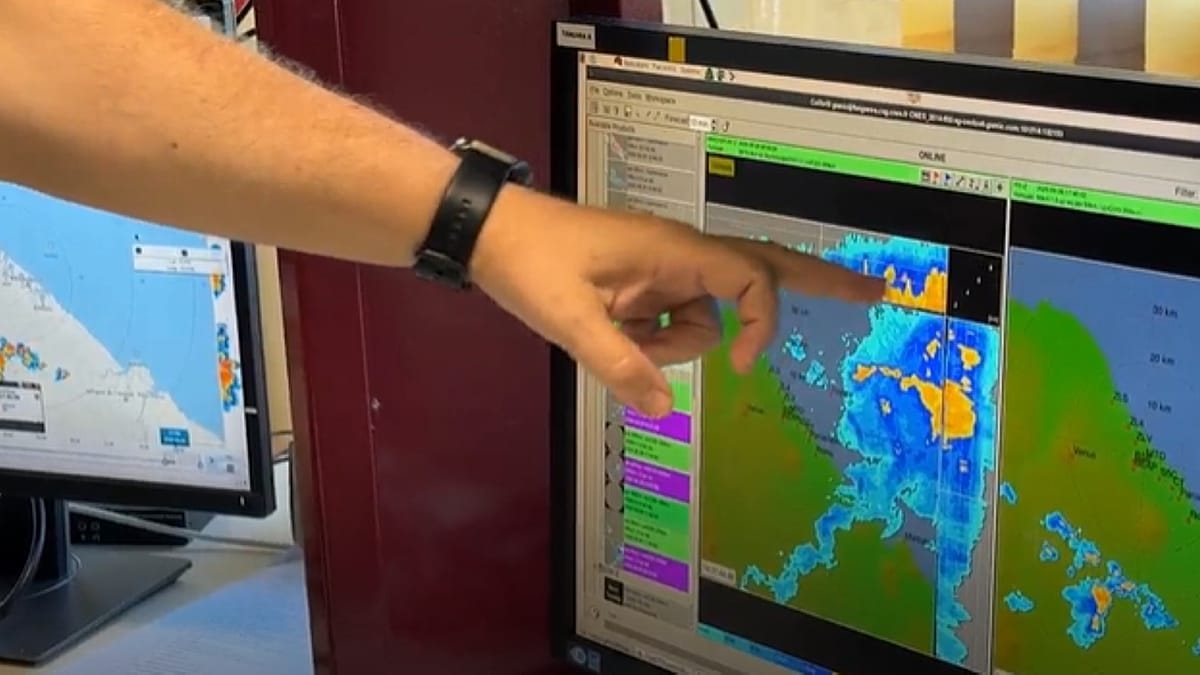
"Never done before": meteorologist on MTG-I2 leap to predict disasters
The European Space Agency and Eumetsat have launched the Meteosat Third Generation Imager-2 (MTG-I2) satellite, marking a significant advancement in weather for...
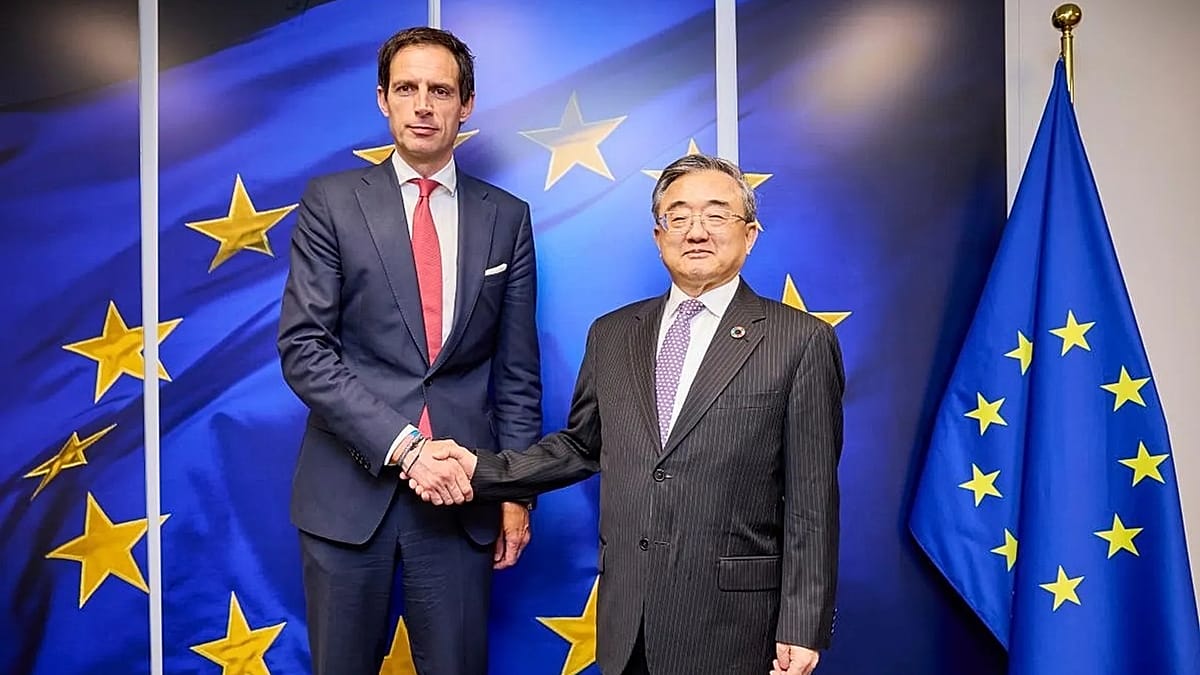
EU Climate Chief Warns China Dependence Raises Green Transition Costs
EU Climate Chief Wopke Hoekstra warns that Europe's reliance on China for clean energy tech could prolong strategic vulnerabilities and inflate costs during the green transition.
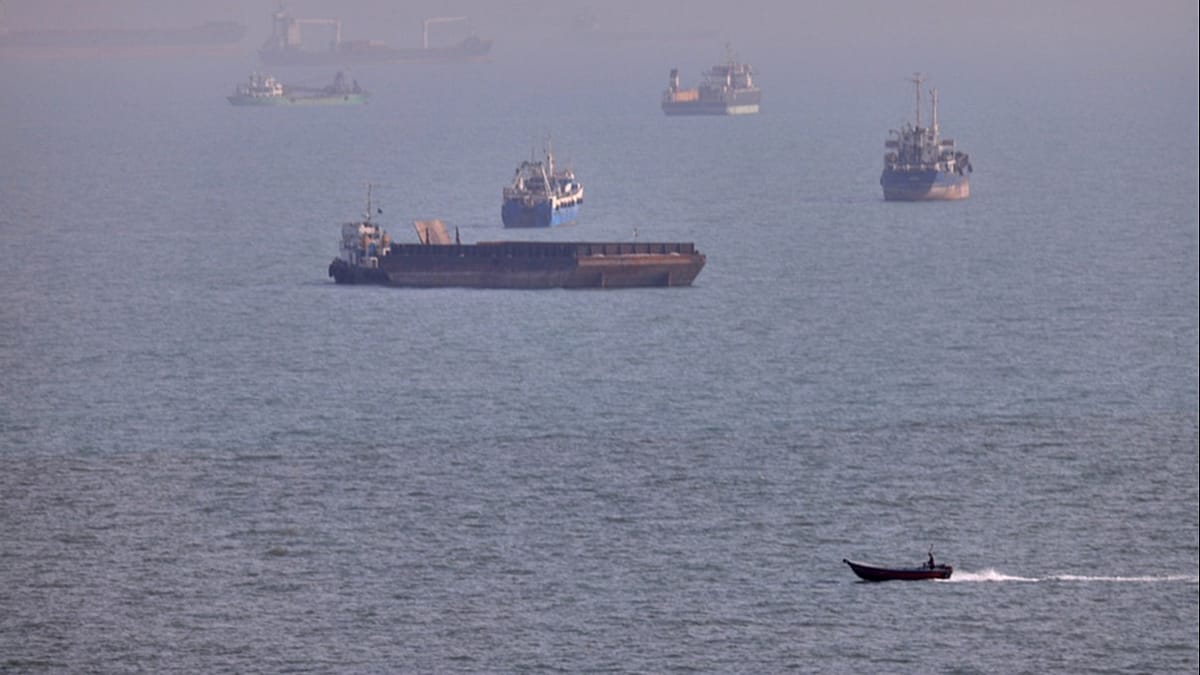
Iran fires retaliatory strikes following US attacks on Larak island in the Strait of Hormuz
US military strikes Iranian targets in Strait of Hormuz, prompting retaliatory Iranian missile attacks on US bases in Jordan The United States launched precisio...

Mumbai’s Vile Parle Cypher is giving unheard rappers a voice

Enrich and Ultimo impress

Karnataka CM Signals Review of 5% Park Land Amendment Bill in Assembly

