Iran War: Bloomberg Claims High Oil Flows Through Hormuz as Iran Threatens for Real Closure; Diesel Stress Rises as Canada Oil Exports to Fall Near Term; Investors Diss Bessent Treasury Meddling, Finger Inflation as the Issue

Iran Threatens Strait of Hormuz Closure as Oil Flows Remain High, Fueling Market Concerns
August 29, 2026 – Tensions in the Strait of Hormuz have escalated after Iranian officials renewed threats to close the critical waterway, a move that could disrupt global oil supplies. Meanwhile, Bloomberg reports that oil flows through the strait have remained high despite the escalating rhetoric, raising concerns about potential supply disruptions. The situation comes as diesel markets face increased stress, and Canada’s near-term oil exports are expected to decline.
The Strait of Hormuz, a vital chokepoint for global oil shipments, has been a flashpoint in recent weeks. Iranian officials have repeatedly threatened to close the strait in response to U.S. and allied sanctions, which have intensified following recent geopolitical tensions. However, Bloomberg data indicates that oil tanker traffic through the strait remains robust, with daily flows averaging around 17 million barrels, equivalent to roughly 20% of global oil supply. The discrepancy between Iran’s threats and the actual flow of oil has left markets cautiously optimistic but wary of sudden disruptions.
On the supply side, the diesel market is already showing signs of strain. Analysts warn that a prolonged closure of the strait could exacerbate shortages, particularly in Europe and Asia, where diesel demand remains high. The situation is compounded by a projected decline in Canada’s oil exports in the near term due to maintenance-related production slowdowns. Canadian oil sands producers have announced temporary curtailments, which could reduce exports by up to 300,000 barrels per day in the coming weeks. While this alone would not trigger a supply crisis, combined with geopolitical risks in the Middle East, it adds pressure to an already tight market.
Investors are also scrutinizing potential U.S. Treasury interventions in response to rising inflation. Recent statements from the U.S. Department of the Treasury have raised concerns about increased meddling in financial markets, with critics arguing that such actions could distort bond markets and undermine investor confidence. Inflation remains a primary concern, with the latest data showing consumer prices rising by 0.4% month-over-month in July, driven largely by energy and food costs. Analysts suggest that while Treasury interventions may be intended to stabilize markets, they risk exacerbating inflationary pressures in the long run.
In Europe, gas storage levels have fallen to a two-decade low ahead of winter, further complicating the energy outlook. Data from industry sources indicates that European gas reserves are currently at 35% capacity, well below the five-year average of 55%. This raises concerns about potential supply shortages and price volatility as the continent prepares for the colder months.
The geopolitical landscape remains fluid, with multiple flashpoints—from the U.S.-Canada trade dispute to tensions in North Africa—adding layers of uncertainty. The U.S. has recently revived a Depression-era trade tool, Section 301 of the Trade Act of 1974, to impose tariffs on Canadian goods, escalating trade tensions between the two nations. Analysts warn that such measures could lead to retaliatory actions, impacting consumer prices and midterm election dynamics in the U.S.
As the situation develops, market participants will closely monitor Iran’s actions, oil flow data, and potential policy responses from major economies. The interplay between geopolitical risks and supply constraints continues to shape energy markets, with broader implications for inflation and economic stability.
Comments (0)
No comments yet — be the first to weigh in.

Free School Uniform Swap Shop Saves Welsh Families £50m Annually
A Cardiff father's school uniform swap shop initiative has grown to 200 schools, helping Welsh families save £50m yearly while promoting sustainability and reducing clothing waste.

Poland, US Explore Permanent Military Bases: Defense Talks Underway
Poland and the US are discussing permanent American military bases in Poland, focusing on defense capabilities rather than troop numbers. Nuclear warheads are not part of the plans.

Taxpayers Lost $65B to Obamacare Fraud in 2024; Feds Crack Down
A Paragon Health Institute report reveals $65 billion in taxpayer losses due to Obamacare and Medicaid fraud in 2024, with improper enrollments rising in 2025.
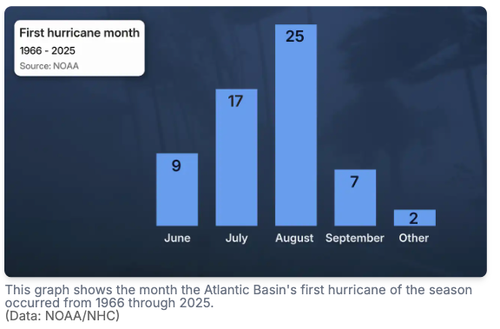
El Niño Delaying 2026 Atlantic Hurricane Season as Dolly Nears Florida
El Niño's wind shear suppresses 2026 Atlantic hurricane activity, delaying first hurricane as Tropical Storm Dolly's remnants approach Florida and the Caribbean.

Mumbai’s Vile Parle Cypher is giving unheard rappers a voice

Enrich and Ultimo impress

Karnataka CM Signals Review of 5% Park Land Amendment Bill in Assembly

