Iran's Key Trade Partners & Impact of New US Sanctions Explained
Analyzing Iran's top trade allies like China, Turkey, and Pakistan, and whether new US sanctions will significantly disrupt its economy or global markets.
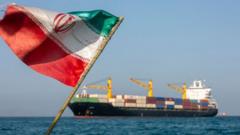
The United States has announced its most stringent sanctions yet against Iran, aiming to cut off the country's financial lifelines amid ongoing tensions with Israel. Dubbed by Washington as the "economic D-Day," these measures represent the latest chapter in a decades-long economic standoff that began with the 1979 Islamic Revolution. Iran, which has long adapted to international sanctions, maintains robust trade relationships with several nations that either resist U.S. pressure or rely heavily on Iranian goods. Analysts question whether these new sanctions will significantly disrupt Iran’s economy or merely reinforce existing economic resilience.
China stands as Iran’s largest trading partner, accounting for 26.9% of its exports in 2025, according to the International Trade Centre (ITC), a UN and WTO affiliate. While this data predates the latest U.S.-Israel conflict with Iran, economists note discrepancies in reported trade figures. Some suspect underreported oil sales to China, while trade data from partners like Iraq remains incomplete. Despite these uncertainties, China’s stance on the sanctions was unequivocal. Beijing condemned the U.S. measures as "illegal unilateral sanctions," reaffirming its commitment to protecting its economic interests in Iran.
Turkey, another major Iranian trade partner, faces a delicate balancing act. As a NATO member sharing a border with Iran, it must weigh its military alliances with the economic necessity of maintaining trade. Turkey’s struggling economy, plagued by 31.8% inflation, further complicates its position. While the U.S. has threatened penalties for continued trade with Iran, Ankara cannot afford to sever ties without severe economic repercussions.
Pakistan, sharing a border with Iran and heavily dependent on U.S. trade, presents another challenge. Though Pakistan’s top export market is the U.S., it remains a key Iranian trade partner. The country’s porous 900km border with Iran has also become a hotspot for illicit oil smuggling, with reports of motorbike couriers—some as young as 15—transporting fuel across the frontier. Despite pressure from U.S. and Pakistani oil firms, enforcement remains difficult. Armenia, another significant Iranian trade ally, adds another layer of complexity. While Armenia’s top export partner is Russia, which itself faces Western sanctions, Yerevan appears undeterred in its trade relations with Tehran.
U.S. Treasury Secretary Scott Bessent framed the sanctions as a decisive move to "tighten the noose" on Iran’s revenue streams. However, experts remain skeptical. Oxford Economics described the direct impact on Iran’s revenue as "somewhat of a damp squib," while Ali Vaez of the International Crisis Group questioned whether the U.S. has the enforcement capacity to penalize nations continuing trade with Iran. The U.S.’s previous attempts to economically isolate China, Iran’s largest partner, last year reportedly yielded limited success. Aya Ibrahim, a former State Department advisor, warned that overreliance on sanctions may push countries to circumvent restrictions, ultimately harming civilian populations by restricting access to essential goods.
Global markets reacted tepidly to the announcement. Oil prices dipped slightly but remain elevated compared to pre-war levels. Stock markets across the U.S., Europe, and Asia showed minimal movement, suggesting limited immediate economic impact. The muted response underscores lingering doubts about the sanctions’ efficacy.
As the U.S. ramps up pressure on Iran, the effectiveness of these measures hinges on enforcement and international cooperation. With key partners like China, Turkey, and Pakistan navigating economic and geopolitical pressures, the path forward remains uncertain.
#IranSanctions #USIranRelations #ChinaIranTrade #TurkeyEconomy #PakistanTrade #GlobalOilPrices #EconomicSanctions #MiddleEastTrade
Comments (0)
No comments yet — be the first to weigh in.

Israel's 2.6M Students Return to School Amid Education Reforms and Protests
Israel's 2.6 million students resume classes as the Education Ministry introduces financial literacy and AI reforms, amid teacher shortages and protests over militarization.
Earth's magnetic field can help archaeologists sniff out forged antiquities
Researchers at the University of California San Diego have developed a new method using Earth's magnetic field to help archaeologists distinguish between a...

US, Israel, and Palestine to Hold Three Elections in 32 Days – Global Stakes
Three key elections – U.S., Israel, and Palestine – will take place from Oct. 27 to Nov. 28, shaping domestic politics and international ties.
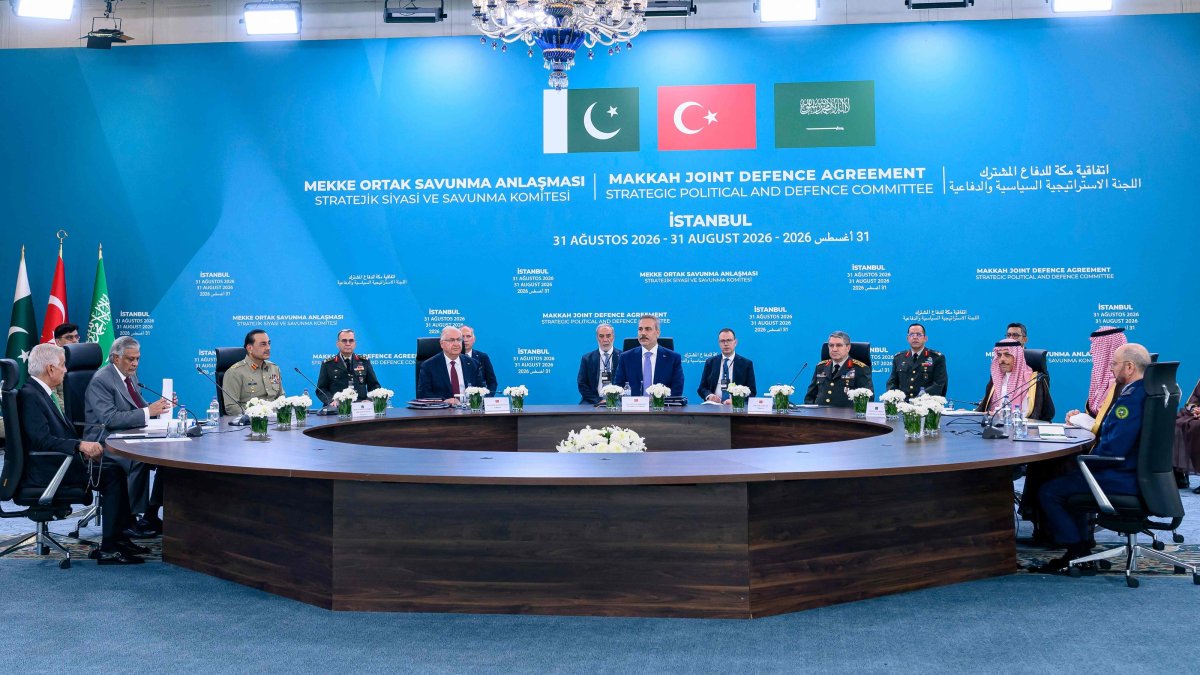
Türkiye, Pakistan, Saudi Arabia deepen joint defense framework
Türkiye, Pakistan and Saudi Arabia have agreed to deepen their defense partnership under the Mecca Agreement, taking new steps to strengthen collective deterren...

Mumbai’s Vile Parle Cypher is giving unheard rappers a voice

Enrich and Ultimo impress

Karnataka CM Signals Review of 5% Park Land Amendment Bill in Assembly

