Key Geopolitical & Economic Developments: Energy Crisis, Debt Dynamics & Political Shifts
Explore global energy shortages, rising debt crises, geopolitical tensions, and political trends shaping 2026. Insights from experts on nuclear risks, US influence, and economic instability.

Recent developments in global energy policy and geopolitical tensions are drawing attention as Europe faces critical gas shortages and Canada reassesses its nuclear safeguards. On August 28, 2026, Europe’s gas storage levels hit a two-decade low, raising concerns about energy security as winter approaches. Meanwhile, former Canadian Foreign Minister Lloyd Axworthy has warned that Canada’s nuclear safeguards have eroded, marking a significant shift in the country’s approach to nuclear non-proliferation. These issues come as economic commentators analyze the role of debt dynamics and political leadership in shaping global financial instability.
Europe’s energy crisis deepened this week as gas storage levels across the continent dropped to their lowest point since 2006. Industry analysts attribute the decline to reduced Russian gas supplies and increased demand due to rising temperatures. The situation has prompted European Union officials to accelerate efforts to diversify energy sources, including liquefied natural gas imports and renewable energy expansions. The International Energy Agency has urged member states to prepare for potential shortages by implementing conservation measures and exploring alternative fuel options.
In North America, former Canadian Foreign Minister Lloyd Axworthy has sounded the alarm over the deterioration of Canada’s nuclear safeguards. In a two-part analysis published on August 30, 2026, Axworthy argues that Canada’s long-standing commitment to nuclear non-proliferation has weakened, leaving the country vulnerable to security risks. His assessment highlights concerns over uranium exports and the potential for nuclear material to fall into the wrong hands. The commentary has sparked debate among policymakers and security experts about the need for stronger regulatory oversight.
Economic analysts are also examining the long-term impact of debt and financial inequality. Economist Michael Hudson has published a detailed examination of debt dynamics, tracing how rising debt levels among governments and households have contributed to wealth inequality and political instability. Hudson’s analysis suggests that historical patterns of debt accumulation often precede economic crises, with aristocratic and financial elites benefiting disproportionately. His work has drawn comparisons to past financial collapses, including the 2008 global financial crisis.
In the United States, the intersection of business and politics is raising new concerns. Observers note a growing trend of business leaders entering political office, blurring the lines between corporate interests and public policy. Critics argue that this trend could undermine democratic governance by prioritizing private gains over public welfare. Meanwhile, cultural and political commentary continues to explore the challenges facing working-class communities, particularly in relation to climate change and scientific literacy.
Amid these discussions, cultural content remains a point of engagement for audiences. The Sunday Morning Movie series recently featured Alice (1988), a film with a runtime of 93 minutes plus bonus materials. The programming reflects ongoing interest in classic cinema and curated media experiences.
#EnergyCrisis #Europe #Canada #NuclearSafeguards #LloydAxworthy #GasStorage #EconomicAnalysis #ClimateChange
Comments (0)
No comments yet — be the first to weigh in.

Free School Uniform Swap Shop Saves Welsh Families £50m Annually
A Cardiff father's school uniform swap shop initiative has grown to 200 schools, helping Welsh families save £50m yearly while promoting sustainability and reducing clothing waste.

Poland, US Explore Permanent Military Bases: Defense Talks Underway
Poland and the US are discussing permanent American military bases in Poland, focusing on defense capabilities rather than troop numbers. Nuclear warheads are not part of the plans.

Taxpayers Lost $65B to Obamacare Fraud in 2024; Feds Crack Down
A Paragon Health Institute report reveals $65 billion in taxpayer losses due to Obamacare and Medicaid fraud in 2024, with improper enrollments rising in 2025.
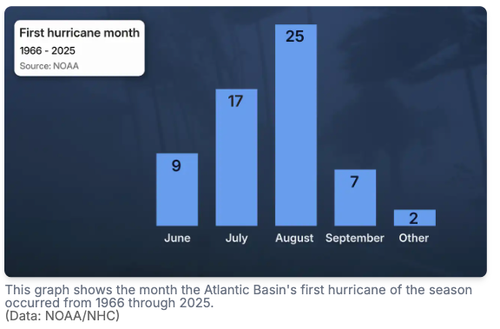
El Niño Delaying 2026 Atlantic Hurricane Season as Dolly Nears Florida
El Niño's wind shear suppresses 2026 Atlantic hurricane activity, delaying first hurricane as Tropical Storm Dolly's remnants approach Florida and the Caribbean.

Mumbai’s Vile Parle Cypher is giving unheard rappers a voice

Enrich and Ultimo impress

Karnataka CM Signals Review of 5% Park Land Amendment Bill in Assembly

