Laser Your Way to Smoother FDM 3D Prints
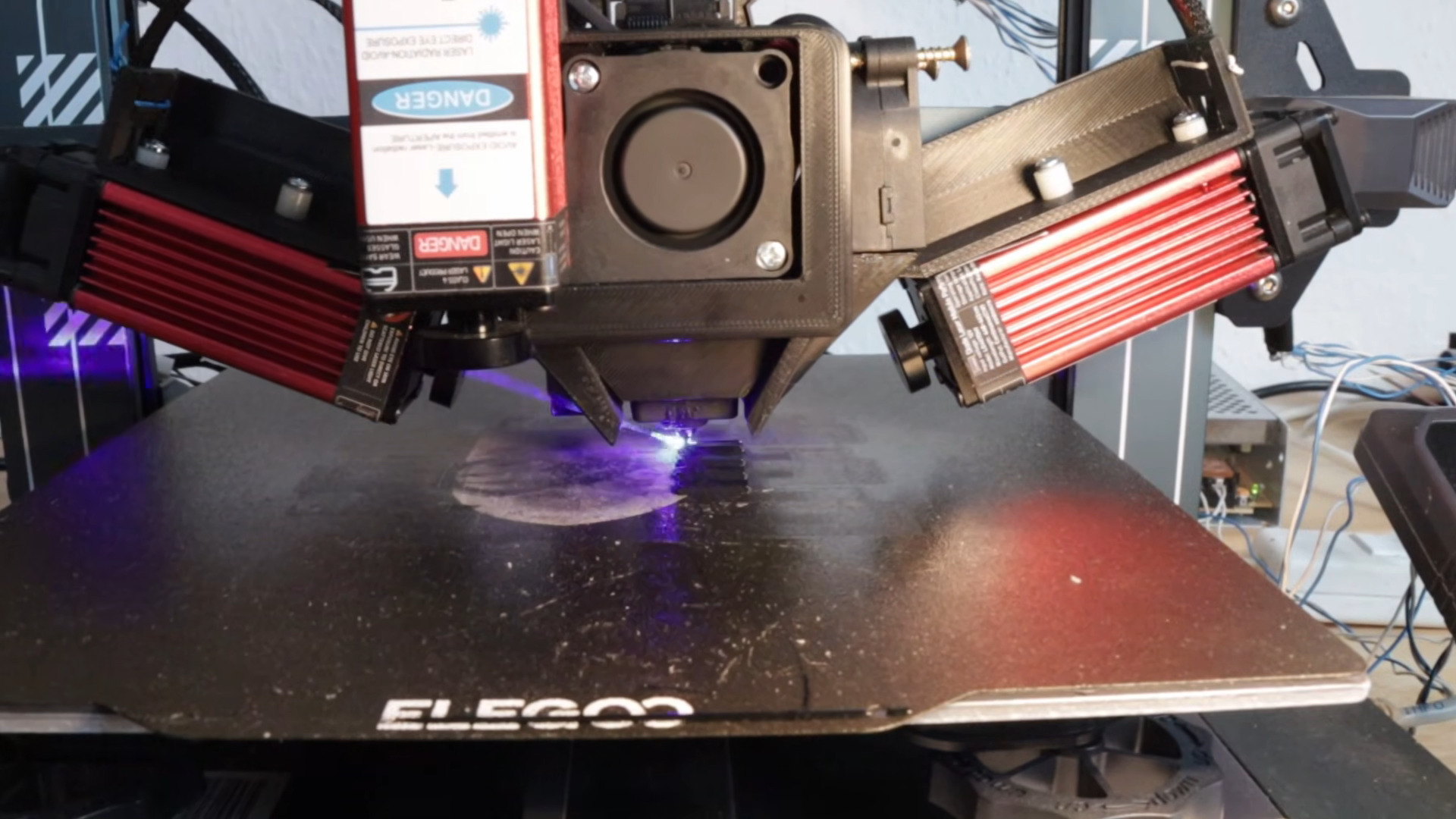
Researchers and hobbyists exploring ways to refine FDM 3D print finishes now have a laser-based smoothing technique as a viable alternative to traditional methods like acetone vapor smoothing or sanding. One practitioner, known online as “I Changed a Thing,” has demonstrated how diode lasers mounted on a 3D printer can selectively melt the outer layers of printed parts to reduce visible layer lines and create a smoother surface finish. The technique appears to deliver results comparable to vapor smoothing but without the chemical exposure or explosion risks associated with acetone or similar solvents.
In a series of videos, “I Changed a Thing” shows two distinct approaches: one targeting top surfaces and another aimed at vertical walls. The top surface smoothing proved simpler to execute, as the laser can directly target the upper layers with vertical irradiation. Wall smoothing, however, required the diode lasers—mounted on the printer’s X-axis—to fire at an oblique angle, making consistent melting more challenging. The creator experimented with layer-by-layer melting during printing and post-print wall irradiation, noting that optimal results depend heavily on the geometry and size of the printed object. The technique currently blends artistic intuition with technical experimentation, suggesting it remains more of a craft than a precise science.
This laser smoothing method builds on earlier work by the same creator, who previously used focused diode lasers to enhance interlayer adhesion during the printing process. The broader maker and 3D printing community has also explored laser-based smoothing before, including projects that used CNC-style non-planar toolpaths to perform post-print laser passes. However, the current setup integrates the laser directly into the printer’s motion system, offering a more compact and potentially accessible solution for enthusiasts seeking improved surface quality without chemical processing.
While still in active development, the diode laser smoothing approach offers an intriguing option for users aiming to reduce post-processing time or avoid hazardous chemicals. Its success appears contingent on careful calibration of laser power, beam angle, and print geometry. As the technique evolves, it may become a standard tool in the FDM finishing toolkit, providing a cleaner and more controlled alternative to traditional smoothing methods.
#3DPrinting #FDM #LaserSmoothing #DIY #AdditiveManufacturing #IChangedAThing #SurfaceFinishing #MakerCommunity
Comments (0)
No comments yet — be the first to weigh in.

Energy biz SSE smacked around in court by a guy and AI
An Oxford doctoral student has defeated British energy provider SSE Energy Supply in court after utilizing artificial intelligence models to build his legal def...
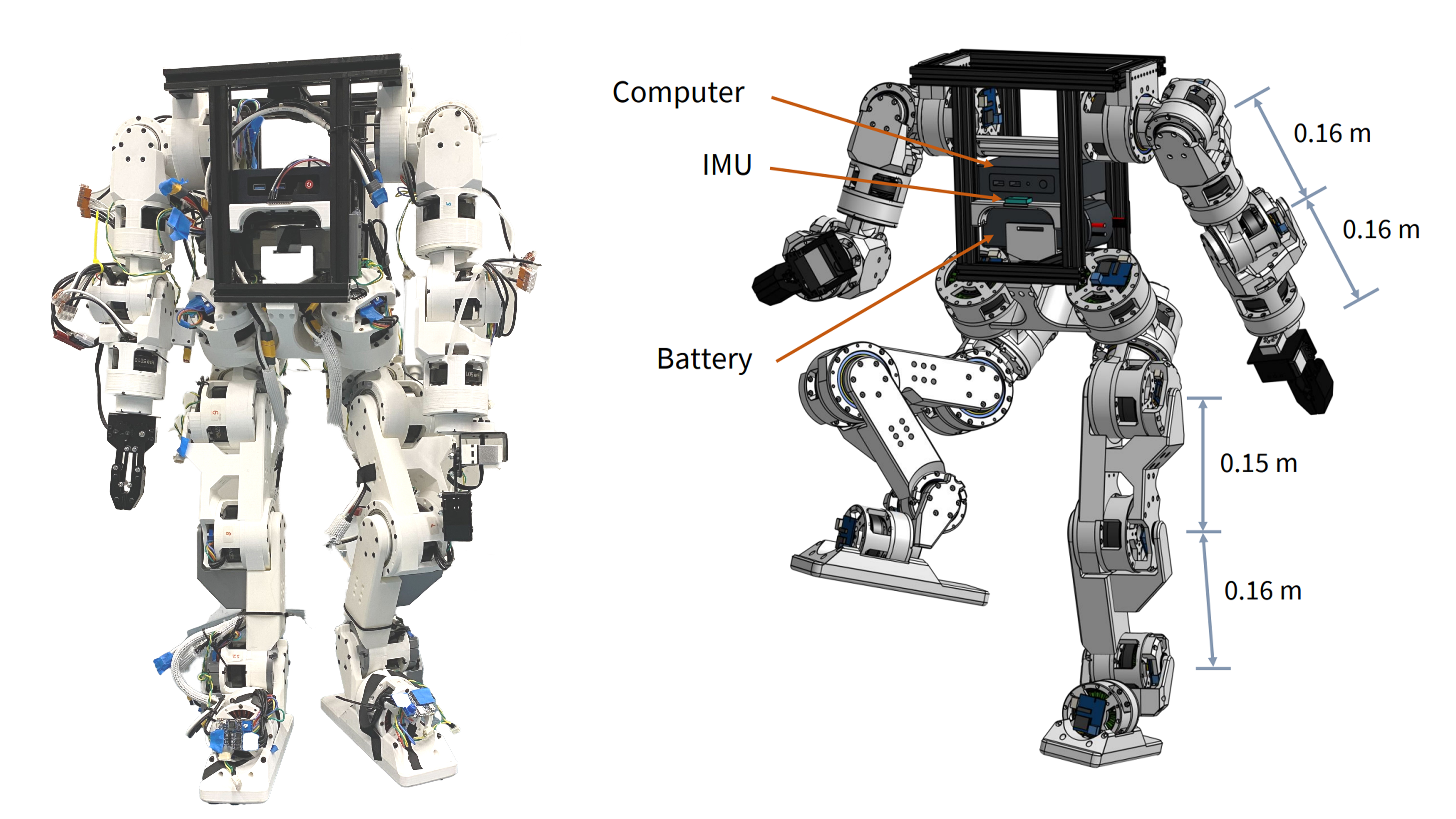
Berkeley Humanoid Lite: Affordable Open-Source Robot with DIY Actuators
Explore the Berkeley Humanoid Lite, a budget-friendly open-source robot featuring 3D-printed actuators under $5,000 USD. Learn how its modular design benefits DIY projects.
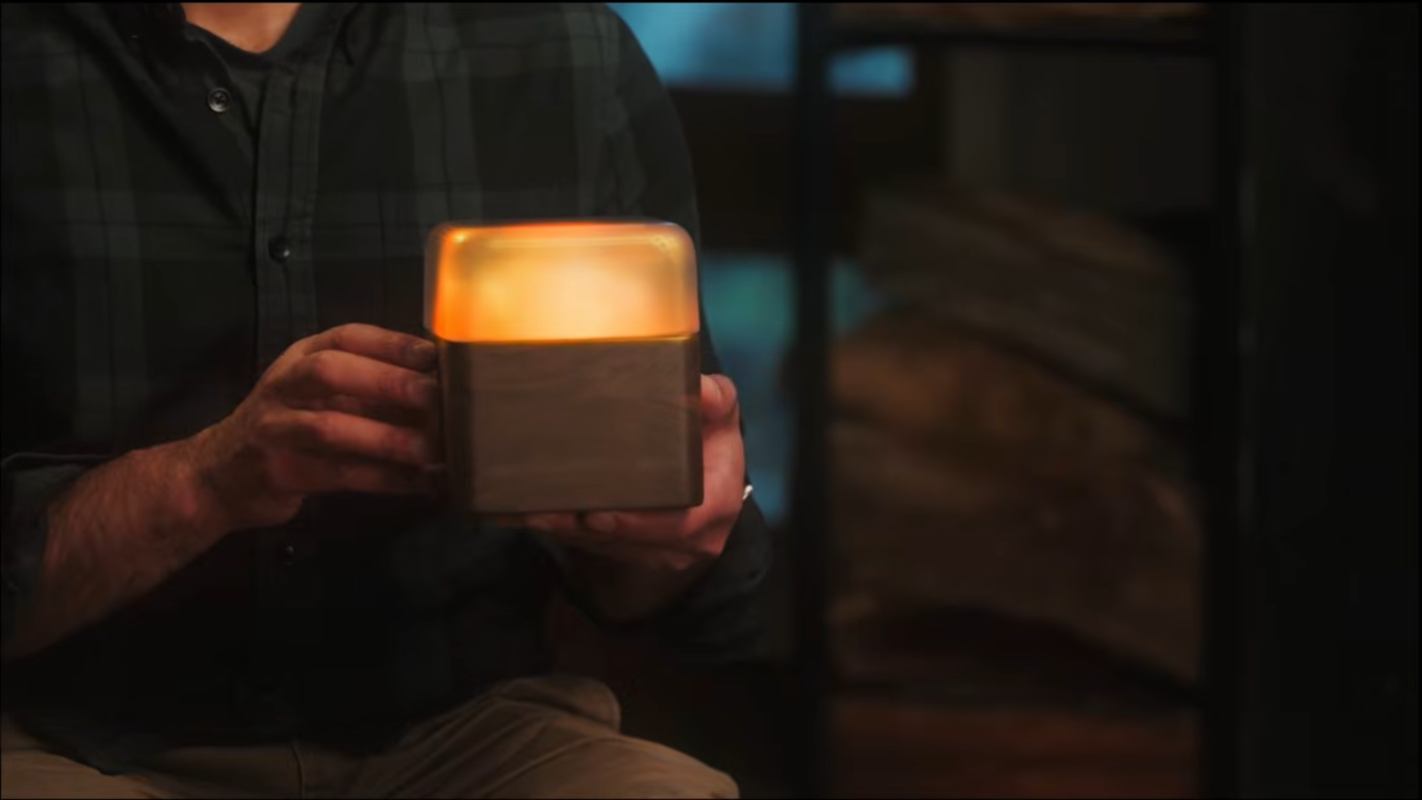
Woodstove Safety Monitor: Oru System Alerts Users to Temperature Fluctuations
Discover how the Oru woodstove assistant helps prevent dangerous chimney fires by monitoring exhaust gas temperatures and alerting users to temperature changes.
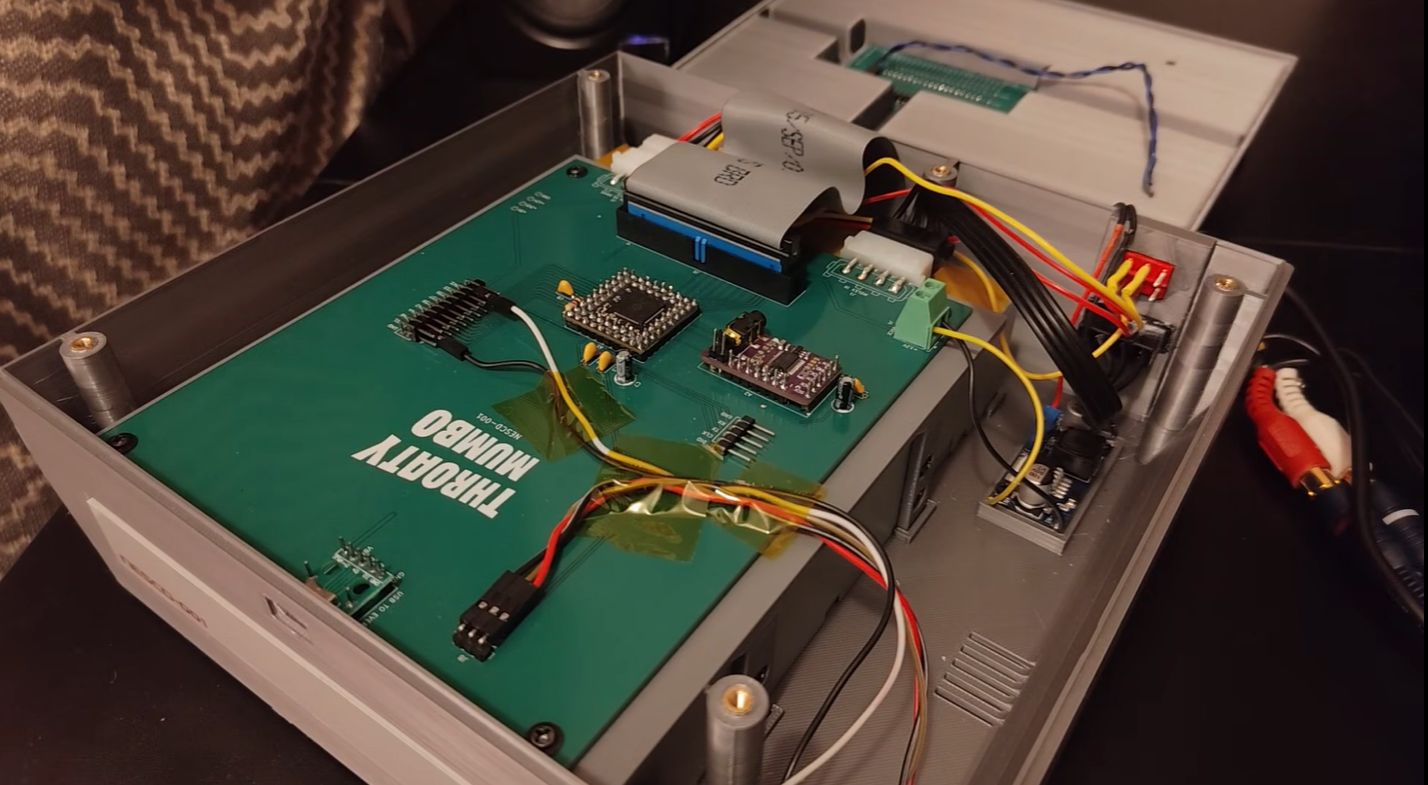
NES CD Add-On Revives 1980s Gaming with Optical Storage
Explore how a DIY project integrates a CD drive with the NES using an RP2350B microcontroller and Everdrive N8 Pro for expanded storage and audio playback.

Mumbai’s Vile Parle Cypher is giving unheard rappers a voice

Enrich and Ultimo impress

Karnataka CM Signals Review of 5% Park Land Amendment Bill in Assembly

