Lethal AI Drones: Urgent Call for Global Regulation and Oversight
Experts warn of the dangers posed by unregulated lethal AI drones, urging immediate global oversight. Learn more about the risks and calls for action.
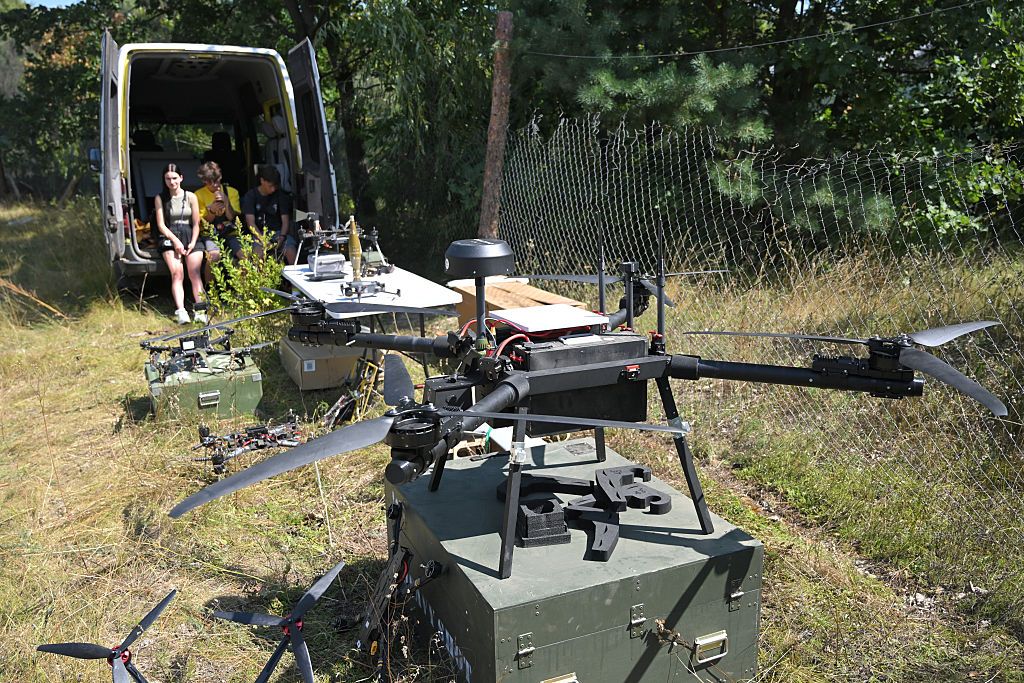
Lethal AI‑drone technology has prompted a new wave of calls for regulation, with U.S. lawmakers, international bodies and defense experts urging tighter oversight of autonomous weapons that can identify and strike targets without human intervention. The debate centers on drones such as the U.S. MQ‑9 Reaper, Israel’s Harop, China’s Wing Loong II and Russia’s Bayraktar TB2, all of which are capable of limited autonomous operation and have already been used in conflict zones.
The technology behind these drones relies on machine‑learning algorithms that process sensor data, classify targets and execute attacks. In practice, the systems can operate with minimal human input once a mission is launched, raising concerns about accountability, error rates and the potential for rapid escalation in armed conflicts. Reports from the United Nations and the International Committee of the Red Cross have highlighted the risk of civilian casualties when autonomous systems misidentify targets.
Experts from the Center for a New American Security and the RAND Corporation have warned that the rapid deployment of lethal AI drones could trigger a new arms race. “Without clear rules, states may lower the threshold for conflict,” they argue, noting that autonomous systems reduce the perceived cost of initiating hostilities. Similar concerns have been echoed by the U.S. Senate Armed Services Committee, which has introduced legislation that would require a “human‑in‑the‑loop” certification for all weapons that can operate autonomously.
The United Nations General Assembly passed a non‑binding resolution in 2023 calling for a treaty to prohibit autonomous weapons systems. NATO has also adopted guidelines that encourage member states to maintain human oversight over lethal decision‑making. Meanwhile, the European Union is drafting its own regulatory framework that would classify autonomous weapons as high‑risk and subject them to strict approval processes.
Defense contractors are adapting to the regulatory pressure. Lockheed Martin, Raytheon Technologies, BAE Systems and other firms are investing in “human‑on‑the‑loop” interfaces that allow operators to intervene during a drone’s mission. However, critics say that such interfaces may be more cosmetic than substantive, allowing operators to claim oversight while the system remains largely autonomous.
Small and mid‑sized states are also drawn into the debate. Countries in the Middle East and Southeast Asia have begun purchasing AI‑enabled drones, raising questions about proliferation and the spread of autonomous weapons technology. China’s Belt and Road Initiative has included defense technology packages that feature AI drones, prompting concerns in the U.S. and its allies about potential misuse in regional conflicts.
International law currently provides limited guidance on autonomous weapons. The 1977 Additional Protocols to the Geneva Conventions require that any use of force must be distinguishable between combatants and civilians, a standard that is difficult to enforce with fully autonomous systems. Legal scholars are calling for a comprehensive treaty that would define the parameters of acceptable autonomous weapon use and establish accountability mechanisms for misuse.
The urgency of the issue is underscored by recent incidents where AI drones have been used in urban environments, leading to civilian casualties and sparking public outcry. As the technology matures, the gap between capabilities and legal frameworks is widening. Stakeholders argue that proactive regulation is essential to prevent a scenario in which autonomous weapons become the default choice for modern militaries.
In the coming months, Congress is expected to debate further legislation, while the UN and NATO will likely refine their guidelines. The global community faces a critical decision: whether to establish binding rules that ensure human control over lethal AI drones or risk a future where autonomous weapons operate with minimal accountability. The outcome will shape the ethical and strategic landscape of warfare for years to come.
#LethalAIDrones #AutonomousWeapons #USDefense #InternationalLaw #AIRegulation #HumanOversight #UN #NATO
Comments (0)
No comments yet — be the first to weigh in.

Global AI Risks Demand International Safeguards, Experts Warn
Experts urge coordinated global action to prevent AI-driven disasters, highlighting systemic risks beyond dramatic 'AI takeover' scenarios.

French Sundays: The Secret to Guilt‑Free Relaxation and Happiness
Explore how France’s closed‑store Sundays foster family time, slow meals, and guilt‑free leisure—an antidote to modern hustle and a lesson for happier living.

Global rare earth supply chains: Why securing essential minerals is critical
China dominates rare earth mining and processing, prompting global supply chain concerns. Explore the geopolitical and economic risks and emerging solutions.

Germany's far-right AfD gains ground: Why mainstream parties must act now
Germany's AfD nears power in state elections as economic discontent fuels far-right growth. Mainstream parties face calls for bolder responses to counter rising extremism.

Mumbai’s Vile Parle Cypher is giving unheard rappers a voice

Enrich and Ultimo impress

Karnataka CM Signals Review of 5% Park Land Amendment Bill in Assembly

