Longform Podcast 575: Megan Kimble Discusses 'City Limits' on Highway Inequality
Former Texas Observer editor Megan Kimble talks about her new book 'City Limits,' exploring how highways shape urban inequality and future infrastructure in America.
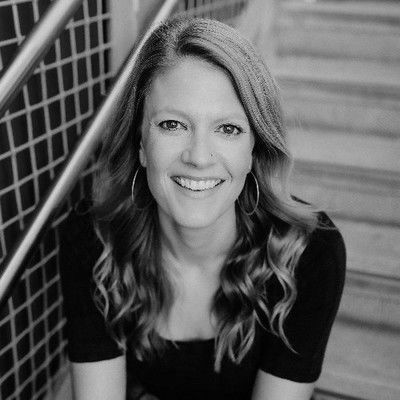
Megan Kimble, former executive editor of The Texas Observer and author of "City Limits: Infrastructure, Inequality, and the Future of America’s Highways," was the featured guest on episode 575 of the Longform Podcast in April 2024. Kimble, whose work has also appeared in The New York Times, Texas Monthly, and The Guardian, discussed her book and the persistent issue of urban highway expansion in the United States.
In the interview, Kimble reflected on the widespread presence of highways in American cities, noting that many residents may not realize alternatives exist. "I have never lived in a city that was not wrapped in highways," she said. "It’s hard for me to imagine anything else. And I think that’s true for a lot of people today." She emphasized that the negative impacts of highway construction through urban areas have been known since the inception of the interstate highway program. Despite this, cities continue to expand highways, often exacerbating traffic congestion rather than alleviating it. Kimble described this contradiction as a driving force behind her book.
"City Limits" explores how highway infrastructure has contributed to inequality and urban sprawl. Kimble argues that the prioritization of car-centric infrastructure has disproportionately affected marginalized communities, particularly low-income and minority neighborhoods, which have historically borne the brunt of highway construction. The book delves into the historical and political context of highway development, tracing its origins to mid-20th century policies that favored automobile travel over public transit and walkable urban design.
Kimble also highlights case studies from cities across the U.S., including Houston and Austin, where highway projects have led to displacement, environmental degradation, and economic stagnation. She advocates for rethinking urban transportation policies, suggesting that investments in public transit, pedestrian infrastructure, and affordable housing could foster more equitable and sustainable cities.
The Longform Podcast episode provides listeners with an in-depth look at Kimble’s research and arguments, offering a critical perspective on one of the most pressing issues in American urban planning. Her book has been noted for its timely contribution to ongoing debates about climate change, racial justice, and the future of urban life.
#MeganKimble #CityLimits #HighwayInfrastructure #UrbanPlanning #TransportationPolicy #TheTexasObserver #LongformPodcast
Comments (0)
No comments yet — be the first to weigh in.
Yayoi Kusama’s Death Signals a Kind Fall for Art and Humanity
Hyperallergic reflects on the passing of Yayoi Kusama, Dolly Parton, and Sliman Mansour, while exploring loneliness, AI, and art's role in a changing world.

Tessa Hulls on Her Graphic Memoir 'Feeding Ghosts' on Longform Podcast #571
Writer and artist Tessa Hulls discusses her graphic memoir Feeding Ghosts and the project she spent her life avoiding, on Longform Podcast #571.
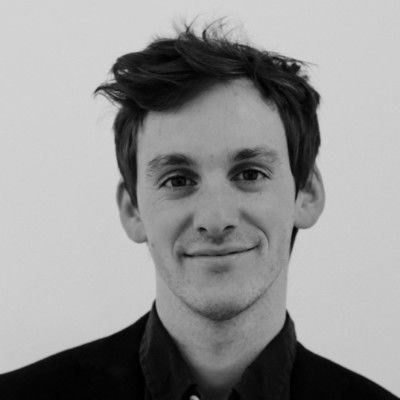
Derek Thompson on Longform Podcast: Solving Life's Mysteries Through Writing
Derek Thompson, Atlantic staff writer and Plain English host, discusses his career as a 'dilettante' and love for uncovering mysteries in his Longform Podcast interview.
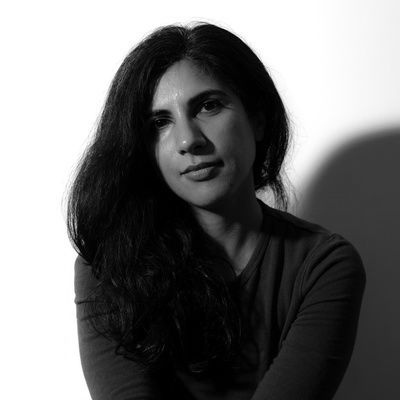
Rozina Ali on Longform Podcast #573 Discussing Her Career and Reporting
Rozina Ali, a New York Times Magazine writer and National Magazine Award winner, joins the Longform Podcast to discuss her career and latest reporting.

Mumbai’s Vile Parle Cypher is giving unheard rappers a voice

Enrich and Ultimo impress

Karnataka CM Signals Review of 5% Park Land Amendment Bill in Assembly

