Meta Agrees to $17B Settlement Over Harmful Social Media Designs
Meta's $17B settlement addresses allegations of designing addictive, harmful products for children. Experts warn this highlights the urgent need for AI and tech regulation to prevent future harms.

Meta has agreed to pay up to $17.1 billion to settle allegations that its platforms, including Instagram and Facebook, were intentionally designed to be addictive and harmful to children. The settlement, announced Wednesday, resolves lawsuits brought by 29 states, led by California, along with prosecutors from 47 states, Washington, D.C., and U.S. territories. The agreement marks one of the largest financial penalties imposed on a technology company in U.S. history.
Under the terms of the settlement, Meta will initially pay $12 billion, with an additional $5 billion contingent on similar agreements from competitors such as Snap, TikTok, and YouTube. The company has also agreed to implement design changes aimed at protecting underage users. These include limiting daily access to two hours, disabling notifications during school hours, and blocking access from midnight to 6 a.m. for users under 18.
The legal action stems from accusations that Meta’s products were engineered to maximize engagement at the expense of young users’ mental and physical health. Whistleblower and former Meta employee Arturo Béjar testified that the imposed restrictions fall short of addressing the core issue. “The limitations that are in the agreement are the equivalent of saying: 'Well, you can smoke as many cigarettes as you can in two hours a day.' It doesn't make the cigarettes any safer,” Béjar stated.
Critics argue that while the financial penalty is substantial, it may not be enough to deter future harm. Amba Kak, co-executive director of the AI Now Institute and former senior adviser on AI at the Federal Trade Commission, emphasized that fines alone are insufficient. "We cannot be relying on fines, or certainly even on litigation, after harms have already transpired," Kak said. "What we need are rules of the road. And we need rules that go to the root cause of the business model."
Kak pointed to the surveillance-based advertising model as the fundamental issue driving harmful design choices. She warned that without addressing this root cause, regulators will continue to face an endless cycle of addressing symptoms rather than preventing harm. This case, she said, highlights the need for comprehensive regulatory frameworks to govern technology companies, particularly as artificial intelligence expands its influence.
The settlement also raises broader questions about the role of government in regulating powerful tech firms. Section 230 of the Communications Decency Act, which shields platforms from liability for user-generated content, has come under renewed scrutiny. Critics argue that tech companies use this legal shield to avoid accountability for their role in shaping information flows through algorithmic optimization.
Legal experts suggest that the Meta case could serve as a bellwether for future regulatory action against tech companies. The outcome may influence how other platforms, including those powered by AI, are held responsible for their impact on society. Advocates for stronger regulation argue that now is the time to establish clear rules before AI-driven technologies exacerbate existing harms.
As part of the settlement, Meta has agreed to more stringent oversight measures to ensure compliance, including independent audits. However, concerns remain about the company’s ability to enforce these changes effectively. Victoria Hinks, whose daughter died by suicide at age 16 after experiencing harm linked to Meta’s platforms, stressed the importance of rigorous enforcement. "I think as long as they enforce it properly — and I’m glad that the judge asked, 'How are you going to actually do this?'" she said. "Because lots of times it’s just a lot of talk."
Comments (0)
No comments yet — be the first to weigh in.

Middlesbrough's Crime Crisis: Decades of Failed Policies Unleash Chaos
Former Middlesbrough mayor Andy Preston blames decades of lenient crime policies for the town's recent surge in gang violence and lawlessness.

Google Maps Renames Lake Ontario to 'Lake America' Following Trump Order
Google Maps now displays 'Lake America' in the US, replacing 'Lake Ontario' after Trump's executive order amid trade tensions with Canada. Canadians still see the original name.

Pentagon Warns Pentagon Chiefs: Iran War Unsustainable, Threatens U.S. Readiness
Classified assessment reveals Pentagon chiefs warn Defense Secretary Pete Hegseth that the Iran war is unsustainable and drains U.S. military resources and readiness.
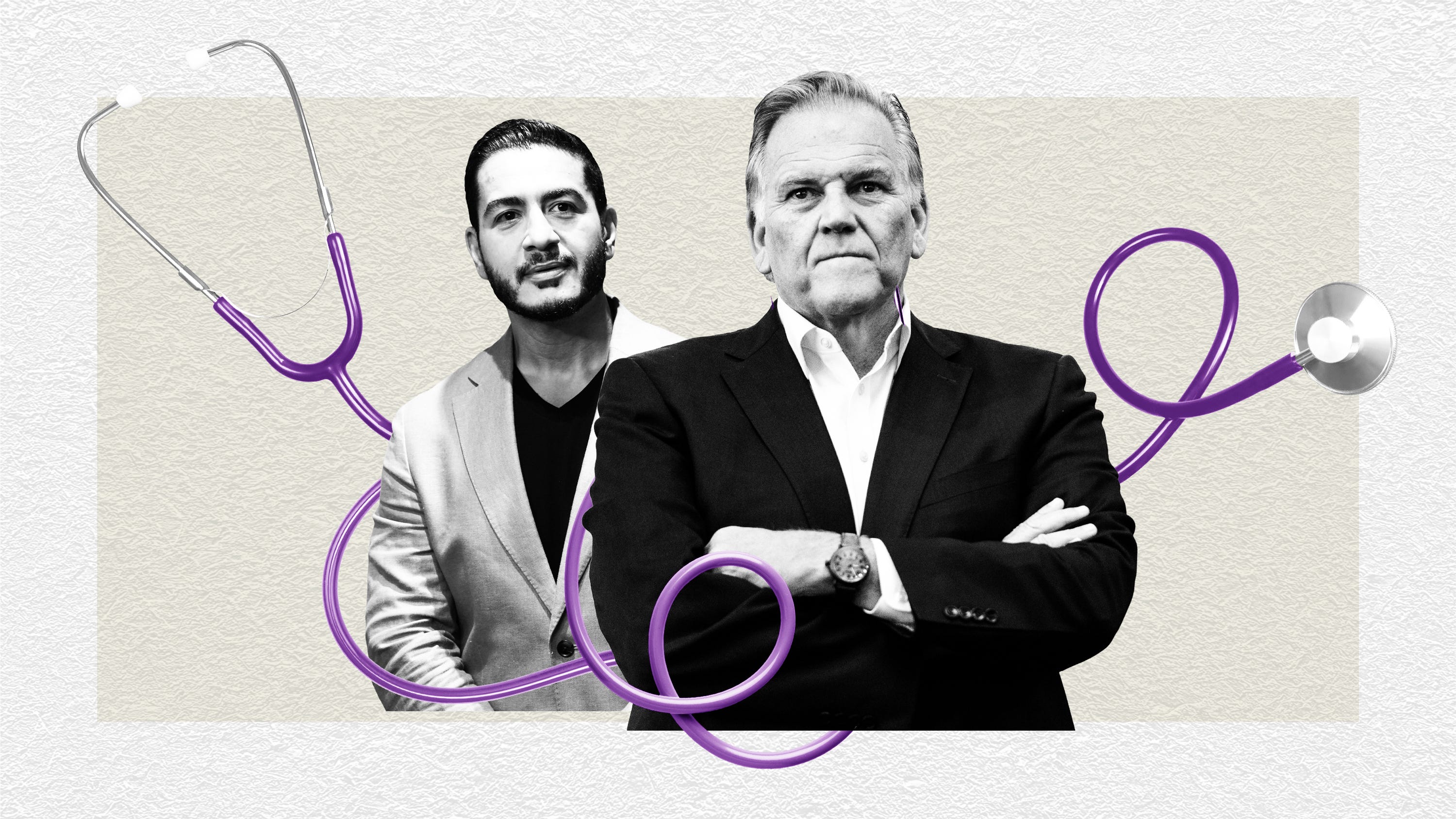
Mike Rogers Proposes $50 Copays for Routine Health Screenings, Critics Warn of Risks
Former Congressman Mike Rogers suggests $50 copays for routine screenings, sparking debate over healthcare costs and access. Critics highlight potential risks.

Mumbai’s Vile Parle Cypher is giving unheard rappers a voice

Enrich and Ultimo impress

Karnataka CM Signals Review of 5% Park Land Amendment Bill in Assembly

