Mozilla CTO Calls for Open AI Infrastructure to Match Internet’s Open Model
Mozilla’s CTO Raffi Krikorian urges treating AI as infrastructure, highlights the narrowing performance gap with open‑source models like Qwen, and calls for policy support to empower businesses and governments to adopt open‑weight AI for cost, control and privacy.

Mozilla Advocates for Open AI as Industry Debate Intensifies
As artificial intelligence reshapes industries, Mozilla, the nonprofit behind the Firefox browser, is pushing for an open approach to AI development similar to the open internet model. In a recent report, Mozilla highlighted that the performance gap between top open-source AI models and proprietary systems like ChatGPT has narrowed to just 3%. The report noted that in February 2026, Alibaba’s open-source model Qwen was downloaded more than the next eight models combined, signaling growing industry interest in open alternatives.
Mozilla’s chief technology officer, Raffi Krikorian, argues that organizations need alternatives to proprietary AI systems to maintain control over data and infrastructure. Krikorian, whose career includes leadership roles at X (formerly Twitter) and Uber, discussed the need for policymakers to view AI as infrastructure rather than a product in a recent interview with Rest of World.
The debate over open AI has gained momentum following Meta’s release of a new open-weight model in August 2026, with promises of more to come. Krikorian emphasizes that open AI ecosystems are not just hobbyist projects but are building substantial economies and infrastructure. He draws parallels to Linux, which started as a niche project but now powers most computing devices, including Android smartphones and vending machines.
While individual users may rely on proprietary AI tools like ChatGPT or Claude, businesses—particularly in regulated industries—are increasingly turning to open models for cost efficiency and data control. Companies in sectors like IT and HR are self-hosting models to keep data within their firewalls, reducing reliance on external providers. Krikorian suggests that businesses may be saving money by adopting open models but notes the lack of concrete data on the trend.
One challenge facing open AI adoption is public perception, as many users associate AI with high-profile proprietary systems. Krikorian acknowledges that open AI models are complex, leading some to distrust them due to concerns about malware or data security. However, he clarifies that open models operate differently from traditional software downloads and do not inherently pose greater risks.
The global divide in AI adoption, particularly with China’s strong presence in open AI development, has also influenced the ecosystem. Krikorian questions why other regions, including the U.S., India, and Europe, are not more aggressively pursuing open AI solutions to meet demand. He suggests that governments may be hesitant to challenge established tech giants that are racing toward public listings, despite the potential benefits of an open AI infrastructure.
Krikorian argues that classifying AI as a product rather than infrastructure is a fundamental misstep. He believes governments should prioritize open AI to ensure equitable access and innovation. While open-weight models offer flexibility, Krikorian notes that stricter open-source definitions—requiring full transparency in training data and evaluation—are necessary for true trust and transparency. He acknowledges that proprietary models optimize for profitability, often overlooking global needs beyond Western markets.
Mozilla’s vision aligns with its historical role in advocating for an open internet, where communities like Firefox users have compelled companies to adhere to open standards. Krikorian envisions a similar dynamic for AI, where open ecosystems prevent any single company from dominating the foundational infrastructure of artificial intelligence.
#OpenAI #Mozilla #RaffiKrikorian #AIInfrastructure #OpenSourceAI #MetaAI #AIRegulation #TechPolicy
Comments (0)
No comments yet — be the first to weigh in.

Energy biz SSE smacked around in court by a guy and AI
An Oxford doctoral student has defeated British energy provider SSE Energy Supply in court after utilizing artificial intelligence models to build his legal def...
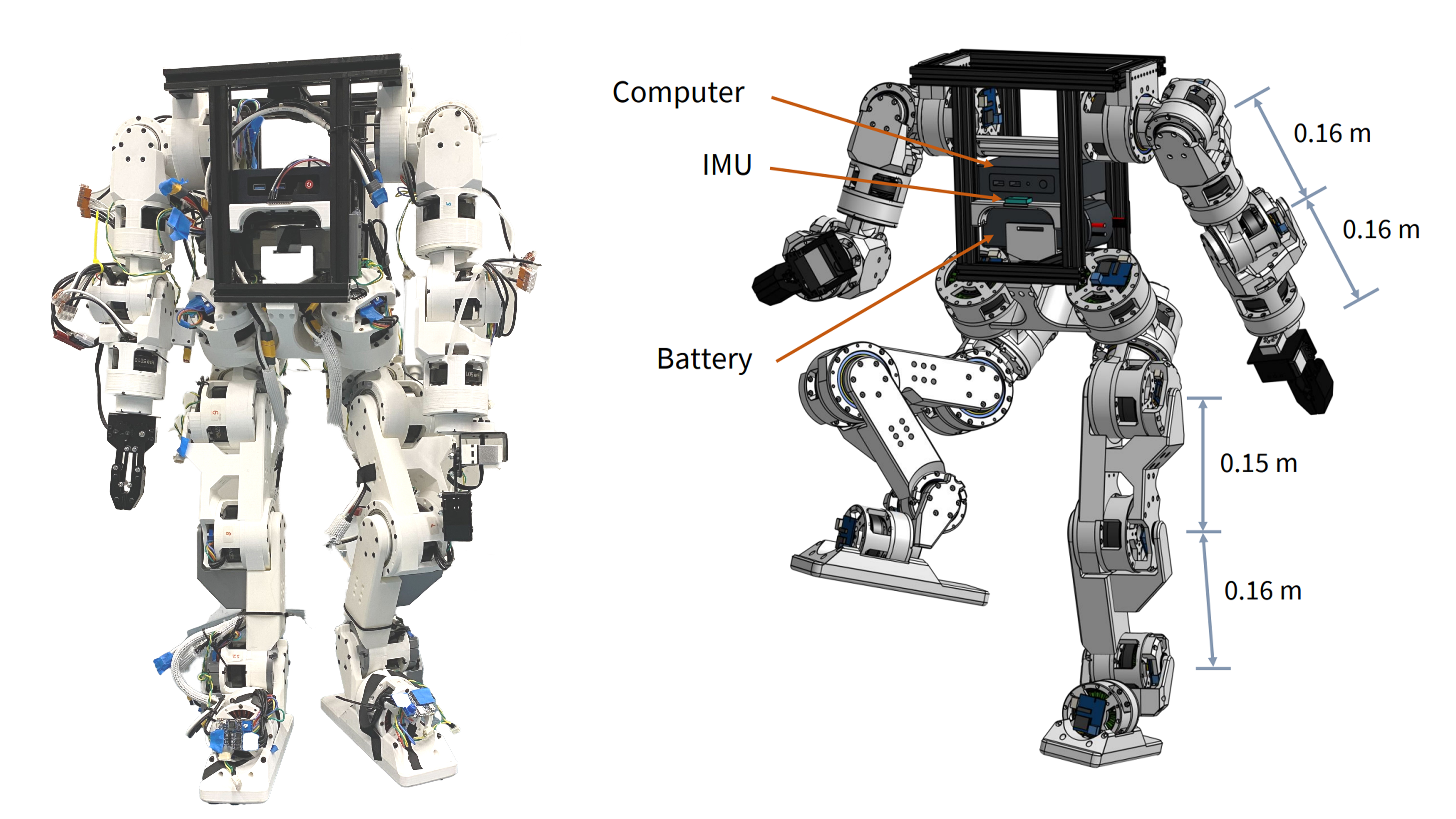
Berkeley Humanoid Lite: Affordable Open-Source Robot with DIY Actuators
Explore the Berkeley Humanoid Lite, a budget-friendly open-source robot featuring 3D-printed actuators under $5,000 USD. Learn how its modular design benefits DIY projects.

Woodstove Safety Monitor: Oru System Alerts Users to Temperature Fluctuations
Discover how the Oru woodstove assistant helps prevent dangerous chimney fires by monitoring exhaust gas temperatures and alerting users to temperature changes.

NES CD Add-On Revives 1980s Gaming with Optical Storage
Explore how a DIY project integrates a CD drive with the NES using an RP2350B microcontroller and Everdrive N8 Pro for expanded storage and audio playback.

Mumbai’s Vile Parle Cypher is giving unheard rappers a voice

Enrich and Ultimo impress

Karnataka CM Signals Review of 5% Park Land Amendment Bill in Assembly

