Nearly 1,000 are missing in Nepal and Tibet after floods caused by a glacial collapse
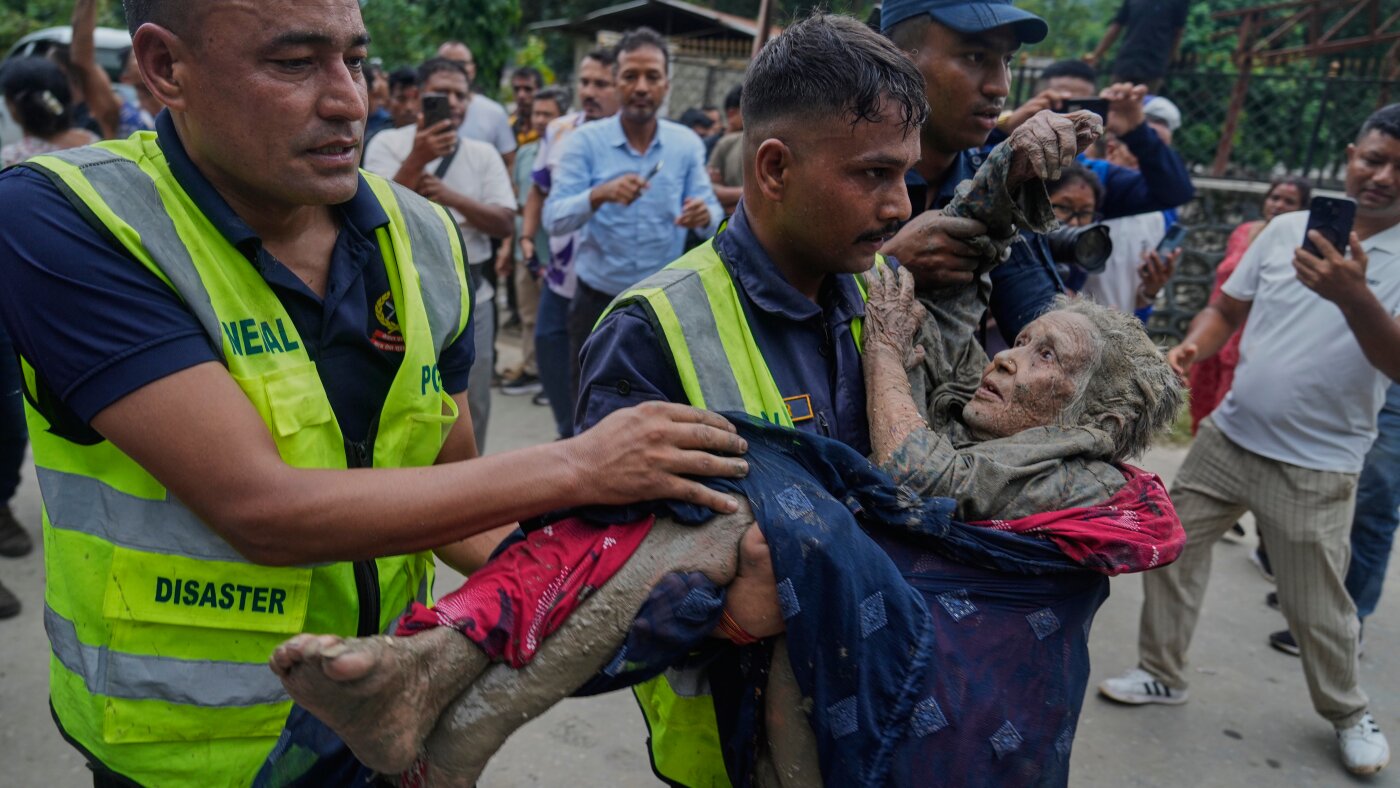
A sudden glacial collapse on the Nepal‑China border triggered massive flash floods that killed at least 162 people and left more than 1,000 missing, officials said on Thursday. The disaster, caused by an ice‑rock avalanche in Tibet, swept through communities in Nepal’s Nuwakot district and the adjoining Chinese province, destroying homes, roads and a bridge that links the two countries.
China’s Xinhua News Agency reported that the mudslides, which began after a glacier collapsed, killed three people and left 558 missing in Tibet. Of those missing, 260 were foreigners, and two villagers had been rescued, the state broadcaster CCTV said. Meanwhile, Nepalese police announced that 162 people had died in the floods that hit the border region a day earlier.
The Lhende Khola river system, a tributary of the Bhotekoshi, has flooded twice in the past 14 months. The most recent event, triggered by an ice‑rock avalanche that blocked the river and released a sudden surge downstream, caused the water level in the Trishuli River to rise up to nine meters (27 feet) in half an hour, according to hydrological observations from the International Centre for Integrated Mountain Development (ICIMOD). ICIMOD said the flood’s speed and magnitude were exceptional, and that early warning systems are critical as the Himalaya continues to warm.
In Nepal, officials had earlier reported 403 missing, including 341 foreigners. Tourism board spokesperson Sunil Sharma said 133 were Indian pilgrims on a trek to Mount Kailash in Tibet, a sacred Hindu site. The missing also included 47 Americans, 34 Australians, 33 Britons and 24 Canadians. The U.S. State Department confirmed that Americans were affected, while Australia’s Foreign Minister Penny Wong said at least 34 Australians on pilgrimage and hiking tours were missing. Wong added that the Australians were part of separate groups and that Australia was coordinating with Nepal, the United Nations, the Red Cross and other agencies on a humanitarian response.
Malaysia’s foreign ministry said that 55 Malaysians in Kathmandu were now unreachable, with severe infrastructure disruptions hampering contact. The ministry had not confirmed casualties but was working with authorities to ascertain the safety of the missing.
Rescue operations have been hampered by damaged roads and buildings. Drone footage released by Nepalese authorities showed roads destroyed and homes buried under mud. Images captured the second floors of houses in Nuwakot slathered in mud, debris hanging from tree branches and wires, and vehicles buried in the floodplain. The floods also halted travel in some areas.
One resident, Shoyam Rajbhandari, told reporters that when he reached Dhunge bazaar, half an hour later the flood came and damaged the market. “People were preparing to go to office then,” he said. “How many people are missing or dead, we don’t know.”
The United States Geological Survey (USGS) initially reported a magnitude 4.4 earthquake near the border on Wednesday, but later revised its assessment. The USGS said the seismic event measured was actually a magnitude 5.2 glacial collapse that sent debris downstream, not an earthquake. The agency based its determination on data from nearby seismic stations, long‑period seismic waves and satellite imagery and confirmed that no earthquake had occurred.
The disaster follows a pattern of increasing glacial melt and instability in the Himalaya, a region that hosts the world’s highest peaks and a large number of glaciers. Researchers in Kathmandu have found that glaciers in the Hindu Kush Himalaya are melting faster, with ice‑loss rates doubling since 2000. The rapid melt is linked to global warming, which has made intense monsoons, melting glaciers and the resulting floods and landslides more frequent.
The floods have had a devastating impact on communities that rely on the steep valleys for economic activity and travel. The bridge that connects Nepal and China was damaged, further isolating affected areas. Rescue teams are working to locate survivors and recover bodies, but the scale of the disaster and the damage to infrastructure have slowed progress.
As of Thursday, the total number of missing remains at 1,000, with more than 1,100 people reported dead or missing across Nepal and Tibet. The international community is monitoring the situation closely, and aid agencies are preparing to provide humanitarian assistance to the affected populations.
Comments (0)
No comments yet — be the first to weigh in.

Iran-US Tensions Escalate Amid Hormuz Strait Crisis – Live Updates
Iranian President Pezeshkian seeks diplomatic solutions with global leaders at SCO summit in Kyrgyzstan amid rising US tensions over Hormuz Strait.

Search continues for 18 passengers after ferry capsized in northern Cyprus
Search and rescue operations are continuing off the coast of Kyrenia in northern Cyprus after a passenger ferry capsized and sank on Sunday, leaving at least ei...

Swiss Man Arrested After Deadly Rave Shooting Kills Italian Woman
A 43-year-old Swiss suspect has been arrested after a shooting at a techno rave in Aarau left one woman dead and several others injured. Authorities continue their investigation.

England attack's 2005 comparisons fair - Trescothick
England’s new pace attack is drawing comparisons to the legendary Ashes-winning quartet of 2005, according to interim head coach Marcus Trescothick. The current...

Mumbai’s Vile Parle Cypher is giving unheard rappers a voice

Enrich and Ultimo impress

Karnataka CM Signals Review of 5% Park Land Amendment Bill in Assembly

