New Spy Novel 'The Pickle Factory' Satirizes CIA Bureaucracy with Sharp Wit
A former CIA officer's debut novel delivers biting satire on intelligence bureaucracy, blending dark humor with sharp insights into agency inefficiency.
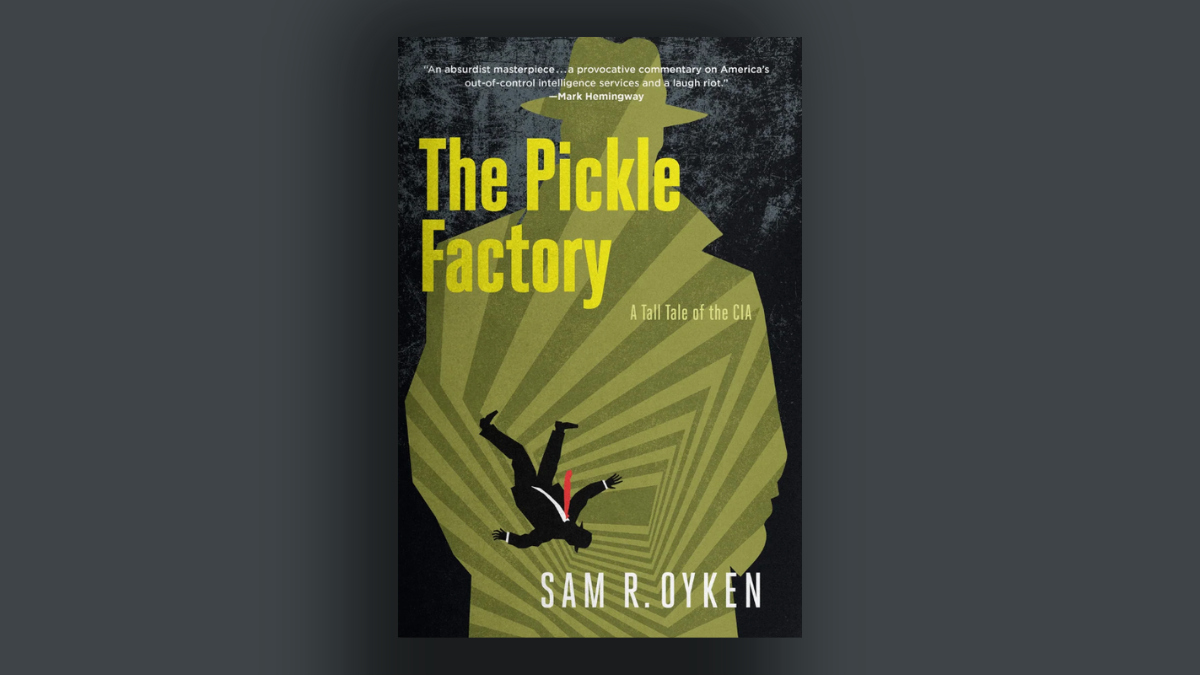
The novel "The Pickle Factory" offers a scathing yet humorous critique of the modern Central Intelligence Agency (CIA), blending satire with espionage in what has been described as the most authentic spy novel in recent years. Authored under the pseudonym Sam R. OYKEN, a former clandestine service officer, the book follows Andre B. KRAY, a seasoned intelligence professional recalled to CIA Headquarters after a decade abroad under Non-Official Cover (NOC).
KRAY, a competent and principled operative, finds himself at odds with the bureaucratic machinery of Langley. His straightforward approach to intelligence work clashes with the convoluted processes of Project GOOWIKI, a fictional multibillion-dollar initiative designed to employ individuals who have never encountered a foreign agent but excel in corporate jargon. The novel’s deadpan humor stems from this juxtaposition, highlighting the absurdity of an agency that prioritizes process over purpose.
KRAY’s division chief, P. Richard Wacker, embodies the mediocrity and self-preservation of modern bureaucratic leadership. Wacker’s division, including his deputy FILBERT and HR apparatchik EVERSHAG, exemplifies an institution more concerned with self-replication than meaningful intelligence production. The satire extends to the broader CIA, where groupthink and management-speak have replaced sound judgment, and the original mission of recruiting agents to advance U.S. interests has been obscured by contrived metrics and bureaucratic inertia.
OYKEN, a former NOC, uses fiction as a form of tough love for the intelligence profession. Through KRAY’s interactions with BUTTONFLY, a veteran CIA operative, the novel explores how far the Agency has strayed from its original purpose. BUTTONFLY’s network of contacts, scattered across global cities, reflects a shared cynicism toward Headquarters’ detachment from real operations. Yet, their conversations remain unsentimental, avoiding bitterness even as they lament the Agency’s decline.
Unlike many contemporary spy novels that oscillate between cartoonish thrillers and somber procedurals, "The Pickle Factory" achieves a rare balance of humor and depth. The novel’s sharp satire invites readers to question how much of its critique rings true, particularly in an era where the CIA’s self-proclaimed identity as "the nation’s first line of defense" contrasts with internal dysfunction.
The audiobook, narrated by John McLain, enhances the experience with distinct character voices and creative handling of redacted text, adding to the novel’s immersive quality. While the story does not end in despair, it leaves readers pondering whether the Agency can reclaim its former efficacy—or if its transformation into a self-referential bureaucracy is irreversible.
Ultimately, "The Pickle Factory" serves as both entertainment and a cautionary tale, offering a satirical yet affectionate examination of an institution struggling to reconcile its legacy with its present reality.
Comments (0)
No comments yet — be the first to weigh in.

Middlesbrough's Crime Crisis: Decades of Failed Policies Unleash Chaos
Former Middlesbrough mayor Andy Preston blames decades of lenient crime policies for the town's recent surge in gang violence and lawlessness.

Google Maps Renames Lake Ontario to 'Lake America' Following Trump Order
Google Maps now displays 'Lake America' in the US, replacing 'Lake Ontario' after Trump's executive order amid trade tensions with Canada. Canadians still see the original name.

Pentagon Warns Pentagon Chiefs: Iran War Unsustainable, Threatens U.S. Readiness
Classified assessment reveals Pentagon chiefs warn Defense Secretary Pete Hegseth that the Iran war is unsustainable and drains U.S. military resources and readiness.

Mike Rogers Proposes $50 Copays for Routine Health Screenings, Critics Warn of Risks
Former Congressman Mike Rogers suggests $50 copays for routine screenings, sparking debate over healthcare costs and access. Critics highlight potential risks.

Mumbai’s Vile Parle Cypher is giving unheard rappers a voice

Enrich and Ultimo impress

Karnataka CM Signals Review of 5% Park Land Amendment Bill in Assembly

